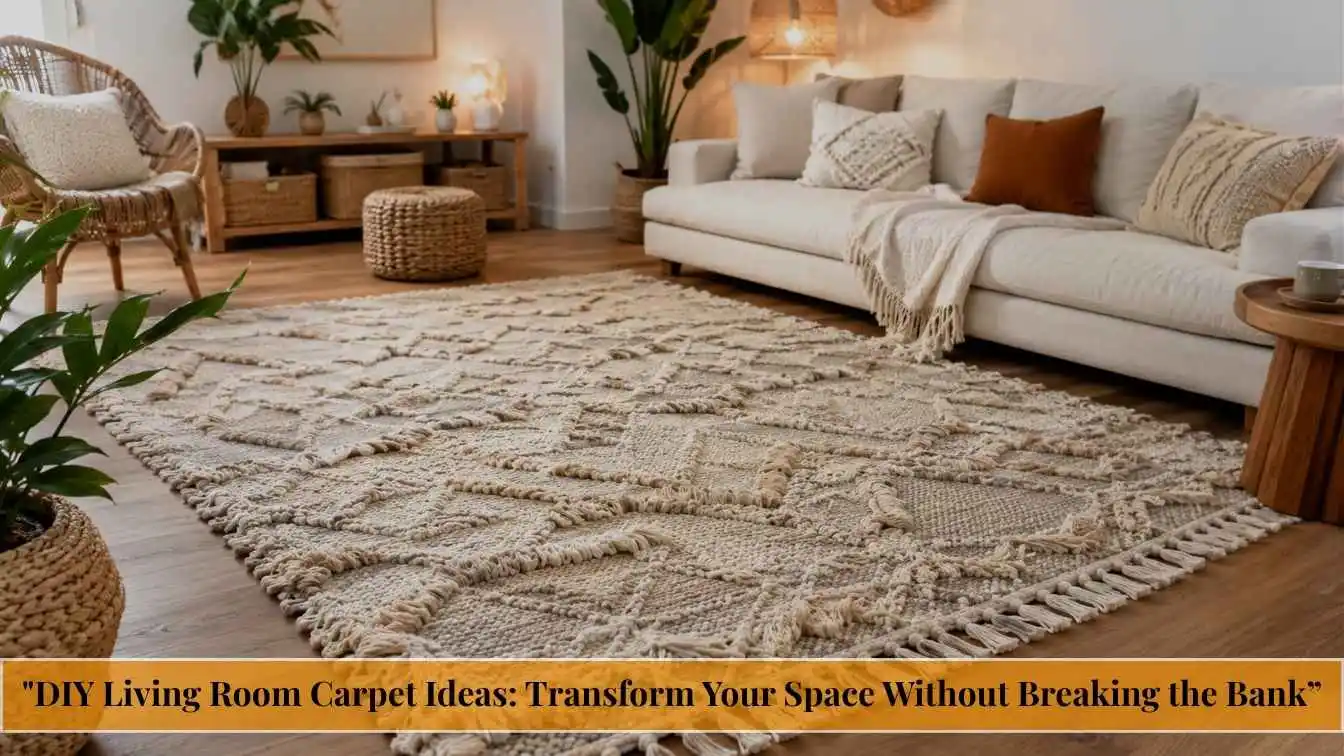
DIY Living Room Carpet Ideas: Transform Your Space Without Breaking the Bank

Most people spend hundreds of dollars updating their walls, furniture, and lighting then completely ignore the floor beneath their feet. But here’s the truth: your carpet is the largest visual surface in your living room. It sets the tone for everything above it. A tired, mismatched, or bland carpet silently undermines every other design choice you’ve made.
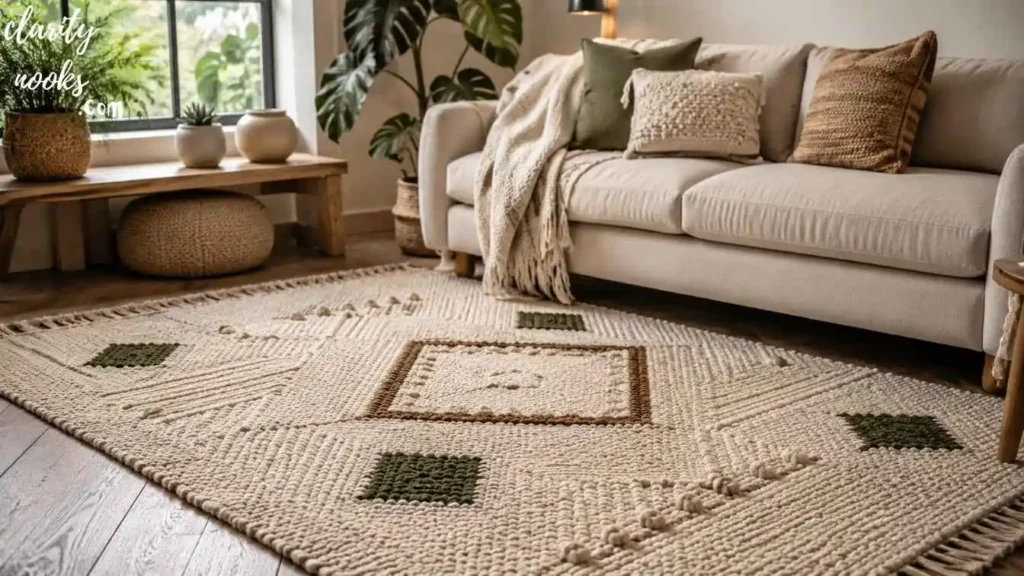
You don’t need a professional installer or a five-figure budget to fix it. With the right DIY living room carpet ideas, you can completely transform how your room looks and feels often in a single weekend. Whether you’re renting, redecorating on a tight budget, or just craving something fresh, this guide gives you real, actionable ideas that actually work.
Layer Rugs for a Custom, Designer Look
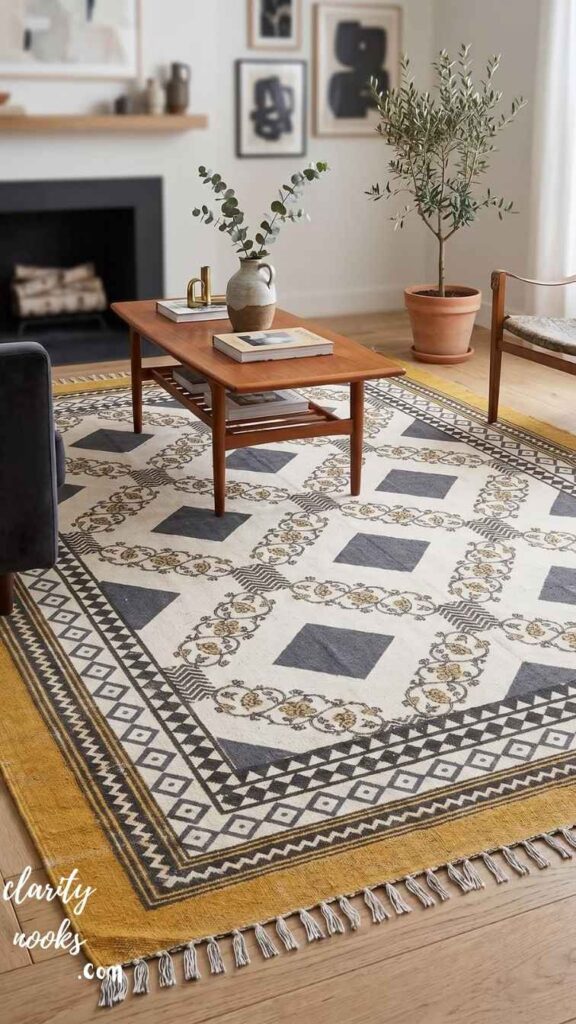
One of the most impactful and underrated DIY living room carpet ideas is rug layering. The concept is simple: place a smaller, more decorative rug on top of a larger neutral base rug. The result looks intentional, curated, and expensive even when it isn’t.
Start with a large jute, sisal, or low-pile neutral rug as your foundation. Then layer a smaller patterned or textured rug on top, centered under your coffee table. This technique defines your seating zone without requiring any tools, adhesives, or commitment.
For example, imagine a 9×12 foot natural jute rug as the base, layered with a 5×7 Moroccan-style wool kilim in deep blue and rust tones. The contrast in texture and pattern creates visual depth that a single rug simply cannot achieve. This approach also lets you change your room’s personality by swapping out the top rug seasonally a fraction of the cost of recarpeting.
Featured Snippet Opportunity: What is rug layering? Rug layering is a decorating technique where a smaller accent rug is placed on top of a larger base rug to add texture, color contrast, and visual depth to a room.
Must Read: Simple DIY Boys Bedroom Ideas with Easy Decor and Storage Hacks
DIY Carpet Tiles
The Flexible, Budget-Friendly Floor Upgrade
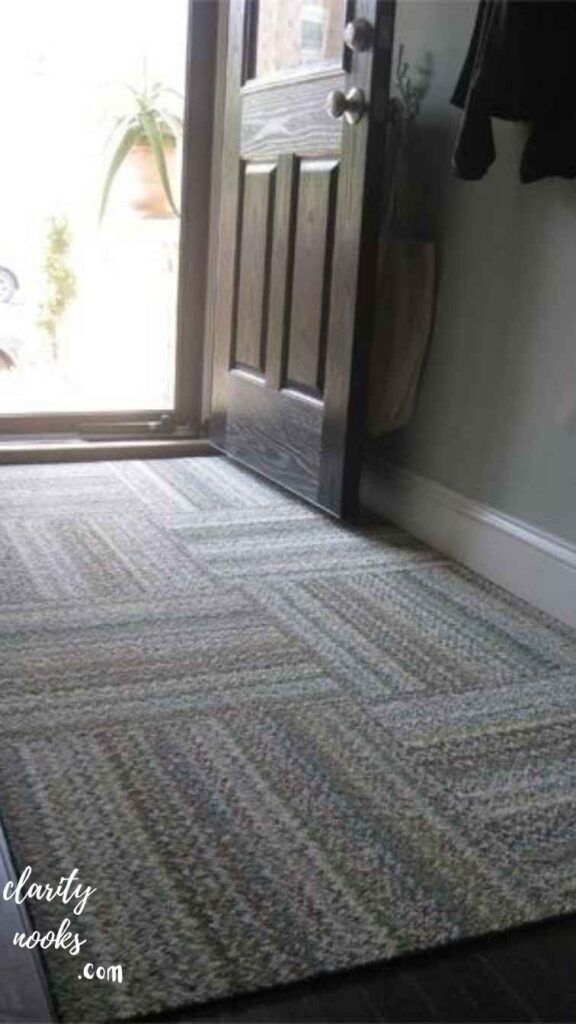
Carpet tiles are one of the most practical DIY living room carpet ideas available today, yet most homeowners overlook them entirely. Unlike wall-to-wall carpeting, carpet tiles are self-adhesive or peel-and-stick squares (typically 18″x18″ or 24″x24″) that you install yourself no professional needed.
The real beauty is in the design flexibility. You can create geometric patterns, color-blocked sections, or even a custom “area rug” look by combining two complementary colors. Mix a charcoal tile with a light grey in a checkerboard or herringbone layout, and you’ve created a floor that looks professionally designed.
Real-life scenario: A homeowner in a rented apartment wanted the look of a patterned area rug in her living room but couldn’t justify the cost of a custom piece. She purchased 40 carpet tiles in two tones cream and terracotta and created a diamond pattern in the center of the room. Total cost: under $90. The tiles lifted cleanly when she moved out, leaving no damage.
Pro tip: Always start your layout from the center of the room and work outward. This ensures your pattern stays symmetrical and any cut tiles end up along the less-visible edges of the room.
Read More: Creative DIY Beach Bedroom Ideas for a Cozy Nautical Style Bedroom
Stencil or Paint Your Existing Carpet for a Dramatic Refresh
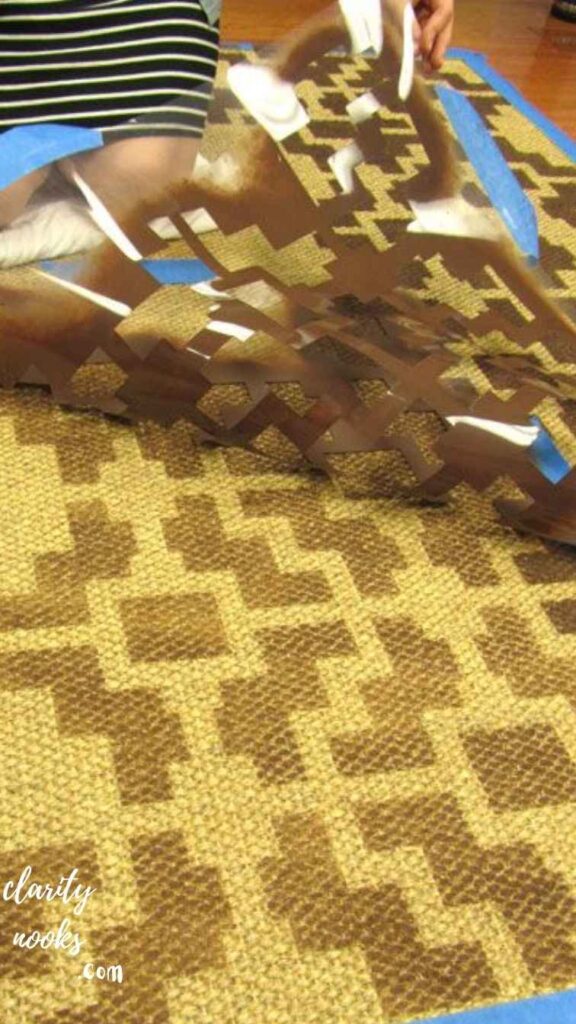
If your living room already has wall-to-wall carpet that’s structurally sound but visually boring, you don’t have to rip it out. Carpet stenciling using fabric or chalk paint with a stencil to apply patterns directly to your existing carpet is a genuinely underused technique that can produce stunning results.
This approach works best on low-pile, light-colored carpet. Choose a geometric stencil (Moroccan lattice and quatrefoil designs are especially popular), secure it firmly to the carpet surface, and apply fabric paint using a foam roller in a stippling motion. Work in sections and let each area dry fully before moving on.
Mini case study: Interior designer and blogger Sarah K. documented her own living room transformation on a $45 budget. Her dated beige carpet was stenciled with a large-scale diamond pattern in soft grey and white. The before-and-after photos went viral because the result genuinely looked like a custom-printed area rug for less than the cost of dinner out.
One thing to keep in mind: always test your paint on a hidden corner first. Some carpet fibers absorb paint differently, and doing a patch test lets you adjust your technique before committing to the full floor.
Also Read: Smart DIY Bathroom Tile Ideas to Make Any Bathroom Look Bigger
Create a Custom Area Rug Using Carpet Remnants
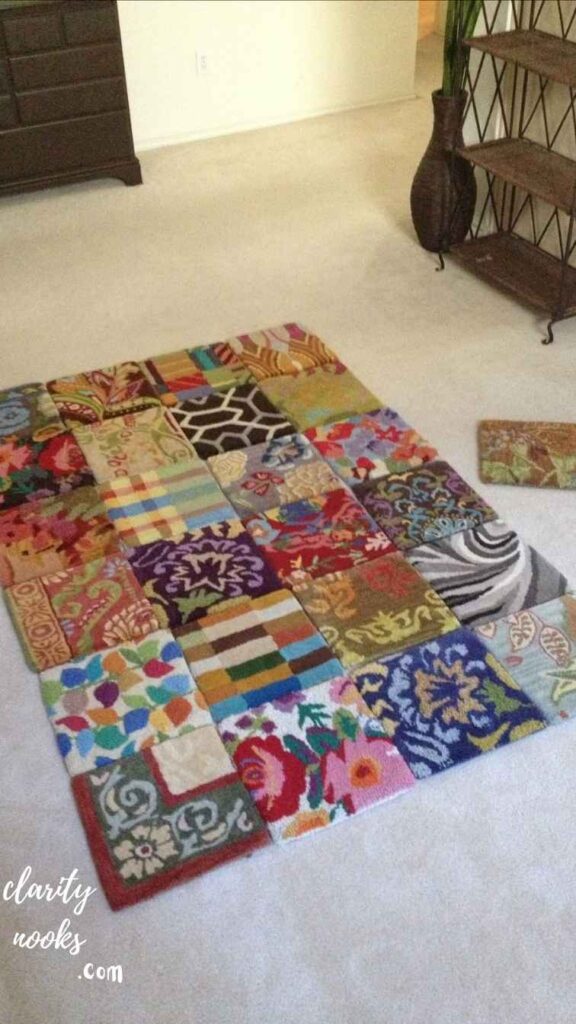
Here’s one of the most creative and cost-effective DIY living room carpet ideas that almost nobody talks about: buying carpet remnants from flooring stores and turning them into custom area rugs. Flooring retailers regularly sell off-cuts at steep discounts sometimes as little as $1–$3 per square foot.
All you need is a remnant in your chosen color or texture, a pair of heavy-duty scissors or a utility knife, and carpet binding tape or edge binding strips (available at any hardware store). Cut your remnant to your desired rug size, apply binding tape to all edges to prevent fraying, and you’ve got a custom, one-of-a-kind area rug.
This approach gives you complete control over size, shape, and material. Want an 11×14 foot rug that fits perfectly under your sectional? Done. A round carpet for a reading nook? Cut it yourself. Most big-box rug retailers don’t offer sizes like these at affordable price points but with remnants, you can achieve exactly what you need.
Pro tip: Ask your local flooring store when their next remnant sale is. Many stores discount remnants at the end of each month to clear floor space for new stock. You can often find premium wool or Berber remnants at a fraction of their retail price.
Conclusion
DIY Living Room Carpet Ideas can change the look of your home. A simple carpet adds warmth, color, and comfort. You can try different patterns, textures, and materials. It helps to match your style and budget. Small changes make a big difference in your living room space.
Overall, DIY Living Room Carpet Ideas help you create a cozy and stylish home without spending too much money. You can reuse old fabrics or buy affordable pieces. Always choose colors that match your furniture. A good carpet improves comfort and beauty. With effort, your living room feels fresh and welcoming every day.
Trend Analysis
Where DIY Carpet Design Is Heading (2026–2028)
The world of DIY floor design is evolving fast, and understanding these trends can help you make decisions that stay relevant for years not just months.
Biophilic and natural textures are dominating right now. Jute, sisal, seagrass, and wool continue to surge in popularity as homeowners prioritize materials that feel organic and grounded. Synthetic alternatives that mimic these textures are also improving dramatically in quality, making natural-look carpet more accessible at lower price points.
Modular flooring systems are gaining ground beyond carpet tiles. Brands are now producing interlocking carpet “planks” and hybrid soft-floor systems that behave like luxury vinyl plank (LVP) in terms of installation but feel like carpet underfoot. Expect this category to grow significantly through 2027 as remote work keeps more people focused on home comfort.
Personalization via AI design tools is an emerging force. Apps now let you photograph your living room and preview different carpet colors, patterns, and textures in real time before you buy. This shift is reducing buyer’s remorse and encouraging more creative, confident DIY decisions. By 2026–2027, expect AI-assisted room planners to be standard features in major home improvement retail apps.
Practical Tips & Expert Insights
Getting your DIY carpet project right requires a few insider principles that separate great results from mediocre ones.
Size matters more than style. The single most common mistake in living room carpet design is choosing a rug that’s too small. In most living rooms, your rug should be large enough so that at least the front legs of all major furniture pieces rest on it. A rug that floats in the center of the room with furniture around it makes the space feel disconnected and smaller than it actually is.
Pad first, always. Any area rug placed on hard flooring even over carpet tiles benefits enormously from a quality rug pad underneath. A pad prevents slipping, adds cushioning, extends the life of your rug, and subtly elevates the entire feel of the floor underfoot. This $20–$40 investment consistently gets overlooked and is always worth it.
Match pile height to foot traffic. High-pile shag carpets look incredible but trap dirt quickly and flatten in heavily trafficked areas. Low-pile or flat-weave options hold up far better in living rooms with children, pets, or frequent guests. Reserve high-pile textures for decorative pieces in lower-traffic zones.
Long-Term Strategy
Making Your DIY Carpet Investment Last
The smartest DIY carpet decisions aren’t just about today they’re about how your floor holds up two, five, and ten years from now.
Choosing quality materials from the start is the most important long-term strategy. A slightly more expensive wool blend or solution-dyed nylon rug will outlast a cheap polyester option by years. Solution-dyed fibers, in particular, resist fading and staining at a molecular level, making them ideal for sunlit living rooms or homes with children.
Layering and modularity also extend the functional lifespan of your flooring investment. If one carpet tile gets badly stained, you replace that tile not the entire floor. If your layered top rug fades or wears, you swap it out without touching the base. This modular approach transforms carpet from a fixed cost into a flexible, upgradeable system.
Finally, establish a maintenance rhythm. Vacuum low-pile rugs twice weekly and high-pile ones weekly. Rotate area rugs every 12–18 months to ensure even wear. Spot-treat stains within 15 minutes of occurrence for the best removal results. These habits alone can double the effective lifespan of any carpet.
Future Predictions & Innovations in DIY Carpet Design
The floor coverings industry is quietly undergoing a significant transformation, and DIYers will be among the biggest beneficiaries.
Smart carpet technology is moving from concept to commercial reality. Pressure-sensitive carpet systems that can detect movement patterns, temperature-regulating fibers that warm or cool underfoot, and even carpet with embedded ambient lighting are in active development. While premium pricing will keep these niche for several years, expect entry-level smart carpet features to reach the DIY market by 2028.
Sustainable and circular carpet systems are accelerating rapidly. Several major manufacturers now offer carpet tile programs where used tiles are returned, recycled, and converted into new products. For the environmentally conscious DIYer, this creates a genuinely circular approach to flooring one where your old carpet doesn’t end up in a landfill.
3D-printed carpet customization is still early-stage, but proof-of-concept products already exist. The ability to design a unique carpet pattern digitally and have it manufactured on-demand in any size, color, or fiber could fundamentally change how custom rugs are made and priced within the next five to seven years.
Common Mistakes & Hidden Gaps
(That Even Experienced DIYers Make)
Ignoring undertones. Many DIYers choose a carpet color that looks perfect in the store but reads completely differently at home. Carpet absorbs and reflects the ambient light and wall colors around it. Always bring a fabric sample home and observe it in your actual room at different times of day before committing.
Skipping the room measurement. It sounds obvious, but a staggering number of people eyeball their room dimensions and end up with a rug that’s the wrong size. Measure twice, sketch your furniture layout, and use painter’s tape on the floor to visualize the rug’s footprint before you buy.
Using the wrong adhesive for carpet tiles. Some DIYers apply standard floor adhesive to carpet tiles, making them nearly impossible to remove without damaging the subfloor. Always use pressure-sensitive, releasable carpet tile adhesive specifically designed for repositionability.
Over-matching. A carpet that perfectly matches your sofa, curtains, and wall color creates a flat, visually boring room. Intentional contrast whether in texture, pattern, or value is what gives a room life. Don’t be afraid to introduce a color or texture that creates tension. That tension is what designers call “visual interest.”
Hidden Gap (Competitors Miss This): Almost no DIY carpet articles address acoustic performance as a design consideration. Carpet dramatically reduces echo and ambient noise in a living room a major quality-of-life factor, especially in open-plan homes or apartments with hard floors above and below. When choosing between a rug and other flooring upgrades, the acoustic benefit of carpet is a significant, underappreciated advantage worth factoring into your decision.
Conclusion
DIY living room carpet ideas don’t have to be complicated or costly to be genuinely transformative. From layering rugs and installing carpet tiles to stenciling your existing floor or cutting custom remnants, each approach offers a distinct combination of creativity, practicality, and budget-friendliness. The key is choosing the method that fits your lifestyle, your space, and your goals then committing to it with quality materials and smart execution. Your living room floor has more power over the feel of your home than almost any other element. Take control of it, and you’ll be surprised how much changes. Start with one idea this weekend your space is ready for it.
FAQ’S About DIY Living Room Carpet Ideas
Can I install carpet tiles myself without professional help?
Yes. Most carpet tiles are designed specifically for DIY installation. They require no special tools just a utility knife, measuring tape, and carpet tile adhesive or built-in peel-and-stick backing.
What is the cheapest way to update a living room carpet?
Rug layering is the most affordable update you build on what you already have. Carpet stenciling is second, often costing under $50 in supplies if your existing carpet is in decent condition.
How do I keep area rugs from sliding on carpet?
Use a rug pad specifically designed for carpet-over-carpet use. These have a grippy backing that locks into carpet fibers without adhesive or damage.
What size rug is best for a living room?
For most living rooms, an 8×10 or 9×12 foot rug is ideal. The front legs of all major seating pieces should sit on the rug to unify the seating zone visually.
Is carpet painting permanent?
Fabric paint on carpet is largely permanent once cured, though it may fade over time with heavy foot traffic. For a temporary option, chalk-based carpet paint offers easier removal with water before it fully sets.
Rameen Zara is the founder of Clarity Nooks, bringing over five years of experience in home décor and interior styling. She shares simple yet practical design ideas that suit real homes and everyday living. Her approach focuses on cozy aesthetics, soft color palettes, and natural textures that create warm, inviting spaces.