
Trendy DIY Living Room Curtain Ideas for a Fresh and Elegant Look

Your living room curtains are doing a lot of heavy lifting. They control light, define the room’s mood, add warmth, and either pull your entire decor together or quietly undermine it. The problem? Ready-made curtains are either outrageously expensive or painfully generic, leaving most people stuck with beige panels that belong in a motel.
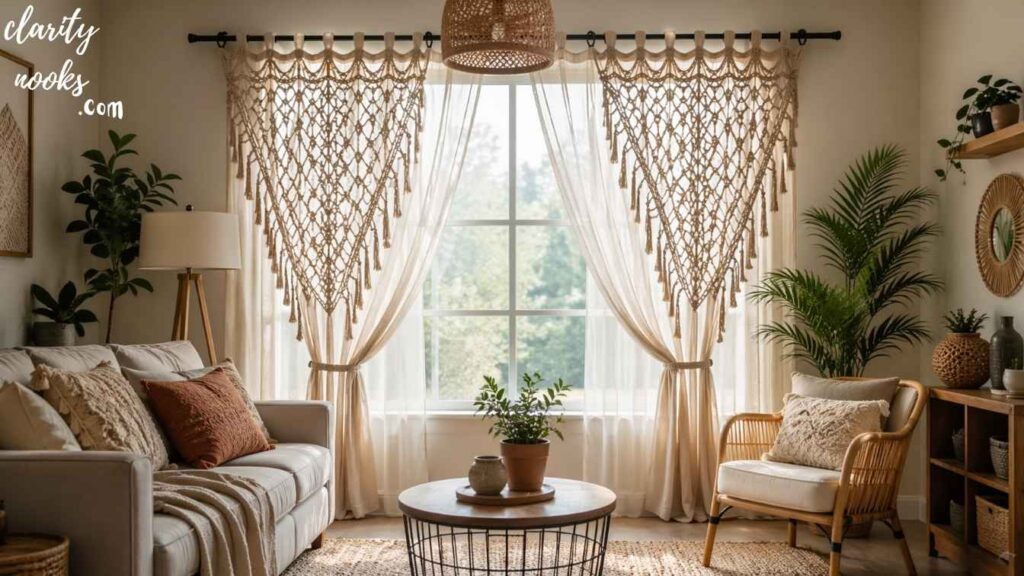
Here’s the good news: some of the most stunning living room window treatments in design magazines started as a DIY project under $40. With the right approach, you can create custom-looking curtains that reflect your style, fit your windows perfectly, and genuinely elevate your space. This guide covers five high-impact DIY curtain ideas, along with expert-level advice that most home decor blogs skip entirely.
What is a DIY living room curtain?
A DIY curtain is a window treatment you create or customize yourself using fabric, drop cloths, bed sheets, or store-bought panels often at a fraction of the cost of custom drapery. It allows full control over length, width, fabric, and style to match your specific living room design.
No-Sew Drop Cloth Curtains
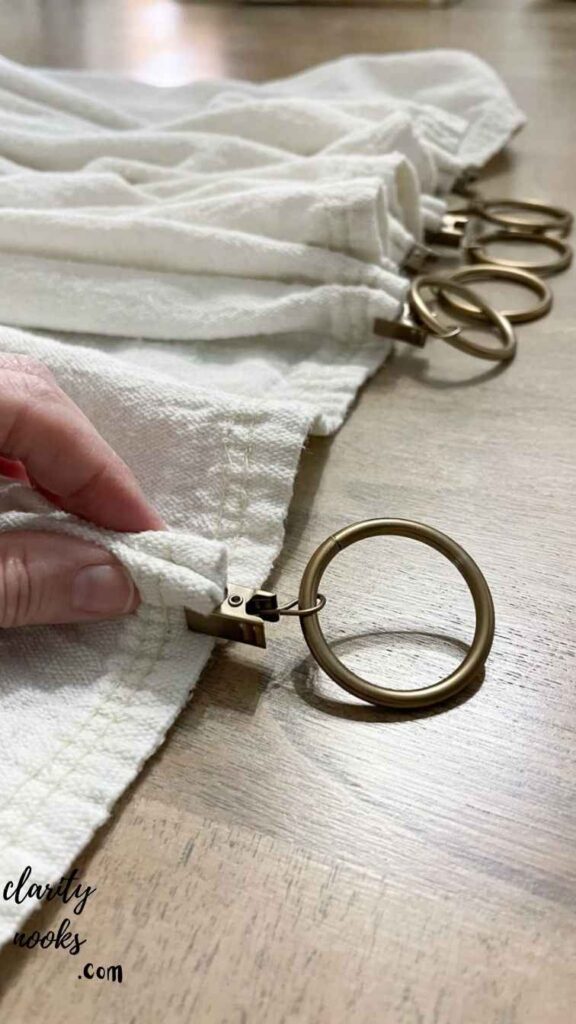
Drop cloths those heavy-duty canvas sheets sold at hardware stores for painters are one of the best-kept secrets in budget home decor. They’re thick, naturally textured, machine washable, and often come in 9-foot lengths that work perfectly for floor-to-ceiling curtains. A single 9×12 drop cloth costs about $12–$20 and can make two full-length panels.
The best part? You don’t need a sewing machine. Use iron-on hem tape to fold and press a clean edge at the top, then clip the fabric directly to curtain rings. The natural canvas color works beautifully in neutral, coastal, and farmhouse-style living rooms. You can also bleach them, tea-stain them for a warmer tone, or dip-dye the bottom third for a subtle ombré effect.
Real-Life Scenario
A homeowner in Nashville replaced four windows of store-bought curtains with drop cloth panels total cost: $48. She tea-stained two sets and left two natural. The result was a layered, linen-look aesthetic that guests consistently mistake for custom window treatments costing hundreds of dollars.
Pro TipPre-wash your drop cloth before cutting. It shrinks slightly and softens considerably after washing, giving it that luxurious, rumpled linen look rather than a stiff canvas appearance.
Must Read: DIY Baby Nursery Ideas on a Budget: Affordable & Adorable Room Makeovers
Layered Sheer + Blackout Panels
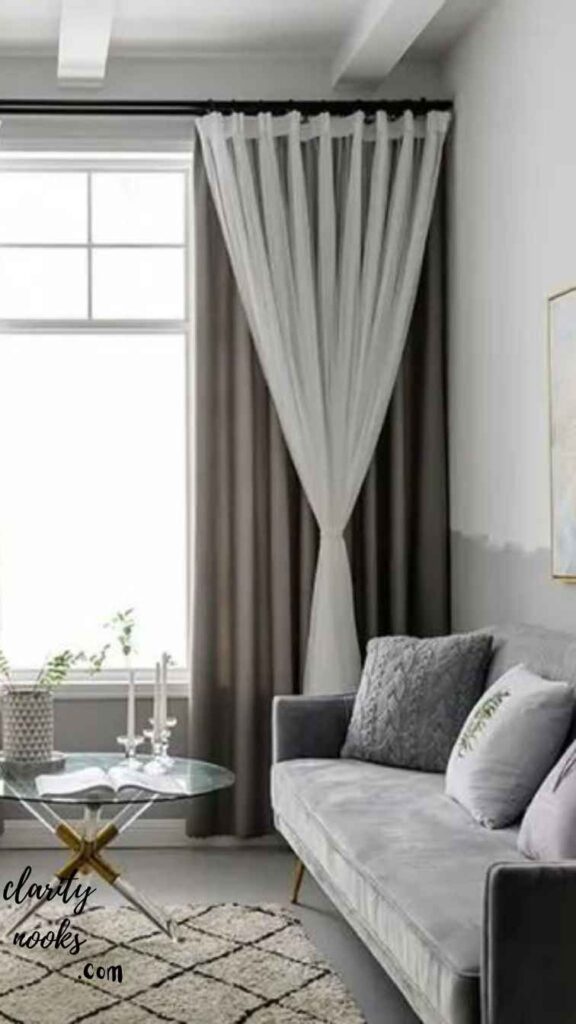
Layering curtains is the single most impactful upgrade you can make to a living room window and it’s a technique professional interior designers use on nearly every project. The idea is simple: hang a lightweight sheer panel behind a heavier drape panel. During the day, you close the sheers for soft, diffused light. In the evening, the solid panels create privacy and a polished, tailored look.
For a DIY approach, buy inexpensive IKEA or Amazon sheer panels (often $8–$15 each) and pair them with drop cloth, linen, or velvet panels you’ve made yourself. Use a double curtain rod to hang both layers independently. The key is making sure both layers are the same width typically 2 to 2.5 times your window width for that full, gathered look.
Mini Case Study
An apartment dweller in Chicago had west-facing windows that made afternoon TV-watching impossible. She layered inexpensive white IKEA sheers with deep charcoal linen panels she hemmed herself. The layers gave her three settings: full sun, filtered light, and total blackout all for under $60 in materials.
💡 Design Insight
Hang your curtain rod 4–6 inches above the window frame and extend it 8–12 inches beyond each side. This “architectural illusion” makes your windows appear significantly larger and your ceilings taller regardless of what fabric you use.
Read More: DIY Baby Room Ideas: Creative Ways to Build a Nursery Your Baby Will Love
Stenciled or Painted Curtain Panels
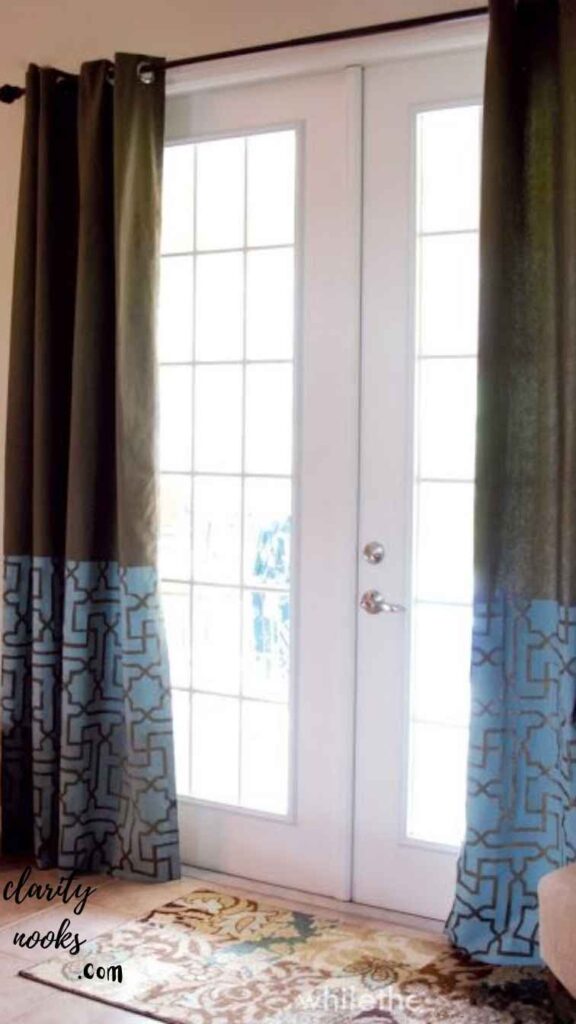
Plain store-bought curtains are a blank canvas and with fabric paint and a simple stencil, you can turn a $12 IKEA panel into something that looks custom-designed. Geometric patterns, botanical prints, and abstract brushstroke designs are all achievable at home with minimal artistic skill. The trick is using proper fabric paint (not craft paint) and heat-setting it with an iron afterward to make the design permanent and washable.
For a more abstract approach, try the Japanese shibori method: fold your fabric, bind it with rubber bands, and dip-dye it in indigo fabric dye. No two panels will look the same, and the result is sophisticated enough for any style of living room. You can also use bleach on dark-colored panels for a reverse-pattern effect that mimics expensive designer fabric.
Real-Life Scenario
A blogger with a contemporary living room bought four sets of white cotton curtains for $9 each, then used a triangle repeat stencil and charcoal grey fabric paint to create a custom geometric pattern. After setting the paint with an iron, the curtains were installed and photographed they were later mistaken for $200 panels from a high-end home brand.
Common Mistake
Don’t skip the heat-setting step. Fabric paint that hasn’t been heat-set will wash out after the first laundry cycle, leaving faded, patchy results. Iron each painted section for 30 seconds using a pressing cloth.
Also Read: Trendy DIY Home Bar Ideas for a Cool and Relaxing Vibe
Floor-to-Ceiling Illusion Curtains
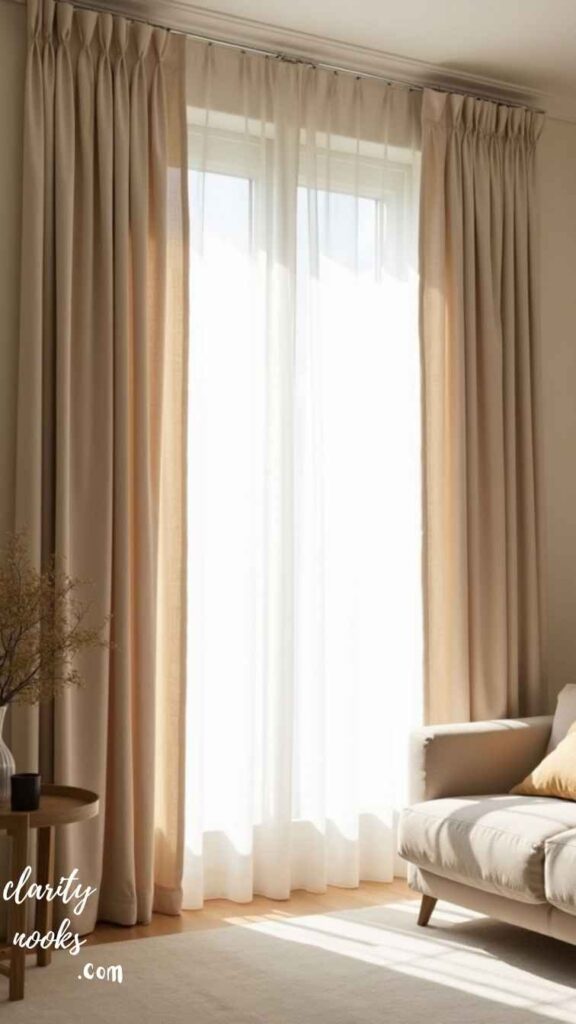
This is the single most transformative DIY curtain technique and it requires no special tools or sewing. The concept: hang curtain rods as close to the ceiling as possible (ideally 1–2 inches below the ceiling line) and let the fabric pool slightly on the floor. This vertical line of fabric draws the eye upward, creating the visual impression of dramatically higher ceilings and larger windows, even in compact rooms.
The key is choosing the right fabric weight. Heavy velvet or linen creates a formal, dramatic effect. Light linen or sheer cotton produces a breezy, ethereal look. For small living rooms, stick to solid colors or very subtle patterns large prints at floor-to-ceiling length can visually shrink a room. Whites, warm creams, dusty sage, and deep charcoal all work exceptionally well for this technique.
Mini Case Study
A 350-square-foot studio apartment in New York had 8-foot ceilings and a single small window. The owner installed a floor-to-ceiling curtain rod spanning the entire length of one wall (not just the window), hanging white linen panels across the full 12-foot width. The effect created a feature wall, hid a cluttered storage area, and made the ceiling appear significantly higher all for $85 in materials.
How do I make my ceilings look higher with curtains?
Hang your curtain rod 1–2 inches below the ceiling (not just above the window frame) and use long panels that touch or slightly pool on the floor. This vertical line draws the eye upward and creates the illusion of height.
Conclusion:
DIY living room curtain ideas give you something ready-made options rarely do: a window treatment that’s exactly right for your space, your style, and your budget. Whether you’re tea-staining drop cloths, layering sheers with handmade linen panels, or hanging fabric from a birch dowel, the payoff is a room that feels genuinely designed not just furnished.
The most important step is simply to start. Pick one idea, measure your windows, and give it a try. You’ll likely find it easier, faster, and more rewarding than you expected. And the result? A living room that finally feels like yours.
Trend Analysis
Trend Analysis: DIY Curtains in 2026–2028
The DIY home decor market has grown substantially since 2022, and window treatments are one of the fastest-growing categories. Rising interior design costs and a broader shift toward personalized, handmade home aesthetics are driving more people to make rather than buy their curtains.
Hot Right Now
Natural & undyed fabrics
Raw linen, unbleached cotton, and organic muslin. Consumers moving away from synthetic sheens.
Rising Fast
Japandi window styling
Minimal panels, neutral palettes, wooden hardware blending Japanese and Scandinavian aesthetics.
Emerging
AI-generated textile patterns
Homeowners using AI tools to design custom patterns, then printing on fabric via on-demand services.
Stable Classic
Floor-to-ceiling draping
Maximalist curtain styling remains consistent across luxury and DIY design spaces.
Rising
Smart curtain integration
DIY motorized curtain tracks (via affordable motors and apps) gaining traction among tech-oriented decorators.
Emerging
Deadstock & upcycled fabric
Ethical sourcing driving interest in repurposing vintage sheets, thrift store fabric, and deadstock textiles.
Looking ahead to 2027–2028, expect to see more crossover between smart home technology and DIY curtain projects. Affordable motorized curtain systems (currently ~$60–$120 per window) are dropping in price and becoming a realistic DIY upgrade alongside handmade fabric panels. Sustainability will also continue driving material choices, with organic and recycled fabrics replacing conventional polyester panels.
Practical Tips & Expert Insights
Beyond the five ideas above, here are high-impact strategies that most beginner and intermediate DIYers overlook the kind of details that separate a good result from a truly polished one.
📏 Measurement First
Always measure your windows before buying any fabric. Standard curtain panels are 84″ or 96″ long most living rooms need 108″+ for a proper floor-to-ceiling look. Order custom lengths or add fabric to store-bought panels using iron-on hem tape extensions.
⚖️ Fabric Weight Matters
Heavier fabrics (velvet, thick linen, canvas) hang more naturally and look more expensive. Lightweight fabrics (sheers, cotton muslin) need to be wider use 2.5–3x the window width to get proper fullness and gather. Underfilling with lightweight fabric looks flat and cheap.
🎨 Color Psychology
Cool-toned rooms (grays, blues, whites) benefit from warm curtain colors (cream, terracotta, warm linen) to balance the space. Warm rooms (wood, brass, warm paint) can handle cool-toned curtains like sage, dusty blue, or soft white without feeling stark.
🪝 Hardware Finish Consistency
Match your curtain rod finish to at least one other metal finish in the room light fixtures, doorknobs, or furniture hardware. Mixing matte black, brushed gold, and chrome in one room creates visual noise that undermines even beautiful curtains.
Long-Term Strategy & Sustainability
One advantage DIY curtains have over store-bought options is adaptability. When you make your own panels, you can adjust, re-dye, re-hem, or repurpose the fabric as your style evolves instead of sending worn-out polyester drapes to landfill every few years.
Investing in quality natural fabric upfront even if it costs slightly more than synthetic alternatives pays off over a longer period. Linen, for example, softens and improves with washing, can be easily overdyed when you want a color change, and will outlast most polyester panels by many years. Think of it as a one-time investment in a material you can rework multiple times.
For long-term positioning, consider building a small “curtain kit” a set of quality clip rings, double curtain rods, and versatile fabric panels that can be moved between rooms or reused in a future home. This approach turns curtain styling from a one-off expense into a reusable, sustainable home decor system.
Future Predictions & Innovations
The next evolution in DIY curtains will be driven by two forces: artificial intelligence and smart home integration. AI design tools like Midjourney and Adobe Firefly are already being used by adventurous homeowners to generate custom textile patterns, which are then printed on fabric through services like Spoonflower or Contrado. By 2027, this process is expected to become significantly faster, cheaper, and more mainstream.
On the smart home side, DIY motorized curtain tracks already available from brands like SwitchBot and IKEA’s Fyrtur system are becoming easier to install and integrate with voice assistants. Within three years, expect hybrid DIY curtains: handmade fabric panels mounted on motorized tracks, combining artisan aesthetics with smart home functionality at accessible price points.
Sustainability innovations will also reshape fabric sourcing. Look for growth in mycelium-based textiles, recycled ocean plastic fabrics (already used in commercial window coverings), and zero-waste dyeing methods that allow home crafters to color curtains using plant-based or low-water processes.
Common Mistakes & Hidden Gaps
Beginner
Hanging the rod too close to the window.
Placing rods directly above the window frame instead of near the ceiling is the most common mistake it makes ceilings appear lower and windows smaller.
Buying curtains that are too short.
Curtains that hover above the floor look unfinished. Aim for panels that touch the floor or pool 1–2 inches for an intentionally luxurious look.
Intermediate
Skipping fabric pre-washing.
All natural fabrics (cotton, linen, drop cloth) will shrink after the first wash. Pre-washing before cutting or hemming prevents finished curtains from becoming too short.
Underestimating fabric width needs.
Most DIYers buy too little fabric. Each panel should be 1.5–2.5x your window width for proper fullness skimping creates flat, stretched-looking curtains.
Ignoring light control needs.
Beautiful fabric means nothing if your living room is flooded with morning glare or evening streetlight. Plan your lining strategy (blackout, thermal, or light-filtering) before you commit to a fabric.
Hidden Gap
No weight at the bottom hem.
Lightweight curtains billow and never hang straight. Sew or iron-on small curtain weights into the bottom hem a 99-cent fix that makes inexpensive fabric hang like expensive drapery.
FAQ’S About DIY Living Room Curtain Ideas
Can I make curtains without any sewing?
Yes. Iron-on hem tape (available at fabric stores for $5–$8) lets you fold, press, and fuse fabric edges without a single stitch. Curtain clip rings eliminate the need to create rod pockets. Most of the ideas in this guide require no sewing at all.
What is the cheapest fabric to use for DIY curtains?
Canvas drop cloths are the most cost-effective option often $12–$20 for enough fabric to make two full-length panels. Unbleached muslin and thrifted bed sheets are also excellent budget options that can be dyed or customized.
How do I keep curtains from looking cheap?
Three things make the biggest difference: hanging the rod high (near the ceiling), using panels wide enough to gather properly (1.5–2.5x window width), and letting the fabric touch or slightly pool on the floor. These three adjustments alone make budget curtains look expensive.
Are DIY curtains renter-friendly?
Many options are, yes. Tension rods require no drilling and work well for lightweight fabrics. Ceiling-mounted command hooks rated for 5+ lbs can support rope or dowel curtain systems. Always check your lease for restrictions before drilling.
Rameen Zara is the founder of Clarity Nooks, bringing over five years of experience in home décor and interior styling. She shares simple yet practical design ideas that suit real homes and everyday living. Her approach focuses on cozy aesthetics, soft color palettes, and natural textures that create warm, inviting spaces.