

How Michigan Homeowners Can Prepare a House for Sale Without Overspending

Michigan homeowners do not have to renovate every room before putting a property on the market. The better approach is to identify the repairs that could affect a buyer’s confidence, financing, insurance, or inspection results, then avoid spending heavily on changes that may not improve the outcome. For owners considering a faster as-is route, Blue Moon Acquisitions is a Michigan home-buying company that says it purchases houses in any condition and provides no-obligation cash offers, including for owners facing repairs, inherited properties, foreclosure concerns, relocation, or unwanted rental homes.
Whether a house is in Metro Detroit, Grand Rapids, Lansing, a lakeside community, or a smaller northern town, preparation should reflect the property itself. An older home with a dependable furnace and dry basement may need only cleaning and minor repairs. A newer home with an active roof leak or drainage problem may require more immediate attention. Comparing repair estimates with an as-is offer from Blue Moon Acquisitions can help homeowners weigh the cost of preparation against the convenience of selling the property in its current condition.
Why Selling Decisions Look Different Across Michigan
Michigan has a wide range of housing types, from historic city homes to rural properties with wells, septic systems, outbuildings, and long driveways. Cold winters, freeze-thaw cycles, spring rain, snow loads, and humidity can expose weaknesses in siding, gutters, foundations, roofs, windows, and mechanical systems. Buyers may reasonably ask about these areas because deferred maintenance can become costly after closing.
Local market expectations also vary. A move-in-ready home in a competitive neighborhood may benefit from fresh paint and polished presentation. A property needing extensive work may be better positioned with an accurate price and a clear description of its condition. Homeowners comparing agents or private buyers can review Michigan real estate licensing information when checking whether a real estate professional is properly credentialed.
Start With a Simple Home Condition Check
Walk through the house before scheduling contractors or making a large list of improvements. Take photos, write down visible concerns, and separate active problems from ordinary wear. A simple review can include:
- Looking for active leaks, water stains, musty odors, or standing water.
- Testing lights, outlets, plumbing fixtures, appliances, heating, and cooling.
- Checking shingles, flashing, gutters, downspouts, and exterior grading.
- Inspecting windows and doors for broken seals, drafts, or poor operation.
- Reviewing the basement, crawl space, attic, and foundation for moisture or cracks.
- Listing unfinished projects, damaged stairs, loose railings, and other safety concerns.
Repairs That Usually Deserve Priority
Repairs that directly affect safety, habitability, insurance, financing, or future damage generally deserve attention first. Depending on the condition and scope, these can include active roof leaks, recurring basement water, plumbing leaks, sewer concerns, unsafe electrical equipment, a failed furnace, major foundation movement, and damaged handrails or stairs.
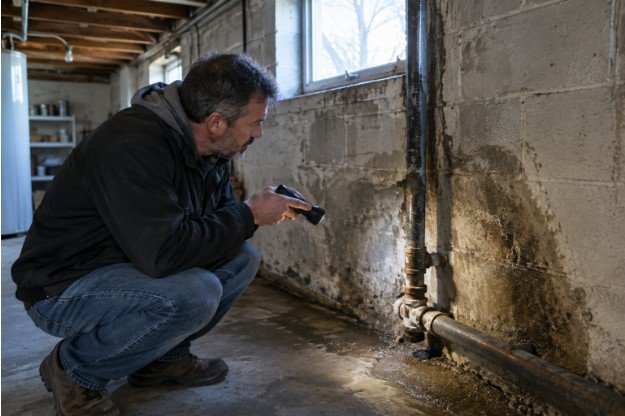
Get more than one estimate when time allows. The lowest bid is not always the best choice, but multiple estimates can reveal whether a repair is minor, urgent, or likely to grow into a larger negotiation after inspection. Keep permits, invoices, warranties, and before-and-after photos for work that is completed.
Updates That May Not Pay Back
A costly kitchen remodel, luxury bathroom redesign, custom landscaping project, room addition, or high-end flooring installation may suit an owner’s personal preferences without producing an equal increase in sale proceeds. Before approving a major project, ask whether it fixes a real condition issue or simply changes the style.
Lower-cost presentation improvements often make more sense. Deep cleaning, decluttering, neutral paint where needed, working light fixtures, trimmed shrubs, swept walkways, and removal of obvious distractions can help buyers see the property more clearly without turning the sale into a renovation project.
When Selling As-Is May Make More Sense
An as-is strategy may be worth considering when a house requires several expensive repairs, the owner lacks time to supervise contractors, or the property has storm damage, vacancy damage, tenant-related complications, inherited belongings, liens, or a short relocation deadline. It can also be useful when the likely price increase does not appear to justify the repair bill and delay.
As-is does not mean “no responsibility.” Sellers should still provide information about known property conditions as required for their transaction, read the purchase agreement carefully, and avoid making verbal promises that are not written into the contract.
How Michigan Weather Can Change the Budget
Michigan weather can turn a small maintenance issue into a larger expense. Ice and snow can affect roofs and gutters, spring rain can reveal drainage or basement concerns, and freezing temperatures can expose problems with pipes, insulation, windows, and heating systems. If a house will be shown during the colder months, keeping the heat on and ensuring the property is safely accessible is usually important.
A Practical Cost-Benefit Test for Each Repair
- Calculate the full cost, including labor, materials, permits, cleanup, and temporary housing if needed.
- Consider how much the project could delay listing or closing.
- Decide whether the work addresses safety, water intrusion, financing, insurance, or inspection concerns.
- Ask whether a buyer might prefer a credit or lower price instead of completed work.
- Compare likely net proceeds, not just the possible listing price.
Compare Selling Paths and Offers
A traditional listing may provide broad market exposure but can involve showings, preparation, inspections, commissions, and buyer financing timelines. A private sale may offer flexibility, yet it still requires careful pricing, paperwork, disclosures, and buyer screening. A cash offer may reduce repair work and financing uncertainty, but sellers should compare the written terms, closing costs, contingencies, and expected net amount rather than focusing only on the headline price.
Questions to Ask Before Signing
- What is the total offer, and which costs will the seller pay?
- Are there inspection, appraisal, financing, or assignment conditions?
- What is the proposed closing date, and can it accommodate any changes to the moving plans?
- How will an existing mortgage, tax balance, lien, tenant, or personal property be handled?
- Are all promises, deadlines, and cancellation rights clearly written in the agreement?
A 30-Day Preparation Plan
Days 1 to 7: Review
Document visible repairs, gather mortgage and tax records, and identify title, lien, probate, utility, or occupancy issues.
Days 8 to 14: Price the Work
Request estimates for major concerns, separate urgent repairs from optional upgrades, and include cleaning, moving, storage, insurance, and utility costs.
Days 15 to 30: Compare and Decide
Review listing plans and written offers, compare estimated net proceeds, and do not sign a contract under pressure or without understanding its terms.
Final Perspective
Preparing a Michigan home for sale is not about making it perfect. It is about addressing serious conditions, limiting low-value spending, presenting the property honestly, and choosing a sales path that fits the owner’s budget and timeline. A focused plan can reduce surprises and help sellers move forward with more confidence.
Rameen Zara is the founder of Clarity Nooks, bringing over five years of experience in home décor and interior styling. She shares simple yet practical design ideas that suit real homes and everyday living. Her approach focuses on cozy aesthetics, soft color palettes, and natural textures that create warm, inviting spaces.