Portable Sanitation for Framing, Roofing, and Exterior Trades on Homes

Framing, roofing, and exterior trades keep residential construction moving, but they also create a job-site challenge that is easy to overlook: restroom access. These crews often work outside, move around the property, arrive early, handle physically demanding tasks, and may not have access to the inside of the home. When sanitation is not planned, workers may lose time leaving the site, tracking through occupied spaces, or searching for nearby facilities.
For contractors, portable sanitation is part of running a clean and organized residential job. It supports worker comfort, helps protect the homeowner’s property, and keeps crews focused on the task at hand. Whether the project involves framing an addition, replacing a roof, installing siding, repairing trim, or completing exterior upgrades, restroom planning should be handled before crews arrive.
Consider How Exterior Crews Actually Work
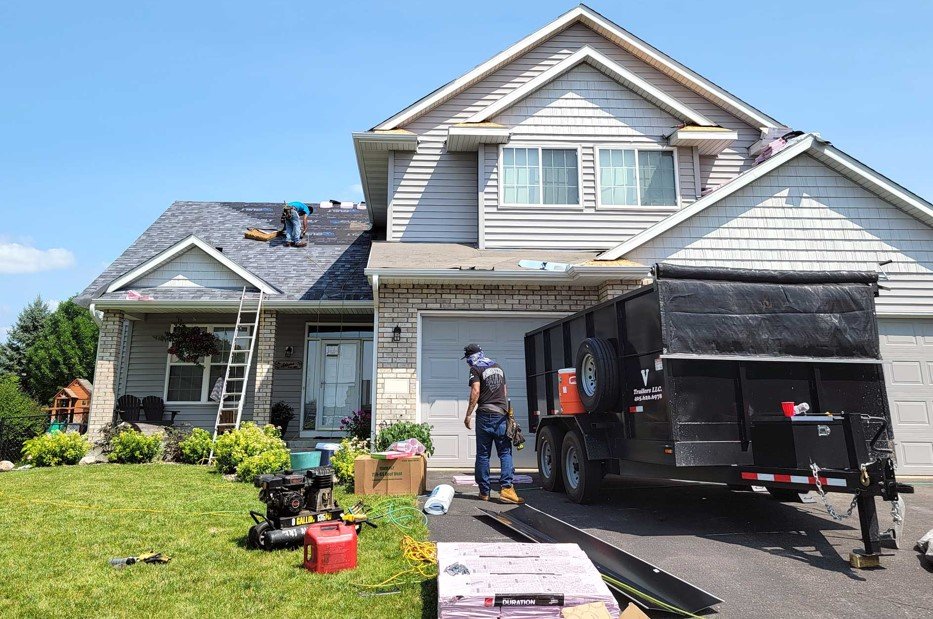
Framers, roofers, siding crews, gutter installers, masons, painters, window installers, and exterior repair teams may spend most of the day outdoors. They may work from ladders, scaffolding, lifts, rooflines, driveways, side yards, and material staging areas. Their work zone may change throughout the day as they move around the home.
Because of that, restroom access should not be based only on where the front door is located. A unit placed near the active work zone, but away from hazards and homeowner traffic, can save time and reduce unnecessary movement through the property.
Exterior crews also tend to work in phases. A roofing crew may be concentrated near one driveway edge in the morning and a different side of the house later. A framing crew may move between the addition, lumber staging area, and cutting station. Portable restroom placement should support that flow without blocking equipment or materials.
Protect the Homeowner’s Interior Space
On residential projects, the homeowner may still be living in the house. Even if they are not, contractors should not assume interior bathrooms are available. Using the homeowner’s restroom can create awkwardness, increase foot traffic through finished spaces, and bring dust, mud, roofing granules, sawdust, or exterior debris indoors.
A planned restroom setup keeps crews from needing to enter the home for basic needs. This is especially important during framing, roofing, and exterior work, when workers may be dusty, sweaty, muddy, or carrying small debris on boots and clothing.
Contractors arranging portable toilet rental for residential exterior projects can help separate crew needs from the homeowner’s living space. That boundary makes the job feel more professional and reduces disruption for the client.
Choose a Placement That Supports Access
Portable restrooms should be close enough for crews to use easily but not placed where they interfere with the project. Good locations may include the edge of a driveway, a side yard near the work zone, a spot near material staging, or an area close to a temporary crew entrance.
Placement should not block the garage, main entry, sidewalks, mail delivery, parked vehicles, material drop-offs, trash service, or emergency access. On narrow lots, even a small placement mistake can cause daily frustration.
Contractors should also consider delivery and pickup access. A unit that is easy for workers to reach may still be a problem if it is blocked by roofing trailers, lumber stacks, siding pallets, parked vehicles, or scaffolding.
Keep Units Away From Falling Debris Zones
Exterior trades create overhead hazards. Roof tear-offs, framing work, siding removal, gutter replacement, and trim repairs may involve falling nails, shingles, wood scraps, tools, fasteners, or debris. Portable restrooms should never be placed where they are exposed to material falling from above.
The unit should also be outside ladder zones, scaffold paths, cutting stations, and active loading areas. Workers should not have to pass directly under roof edges or through debris zones to reach it.
This is especially important on roofing projects, where old shingles, granules, nails, and flashing scraps may come down throughout the day. A restroom location that is convenient in the morning may become unsafe once tear-off begins, so placement should be checked against the actual work sequence.
Plan Around Crew Size and Work Duration
A short exterior repair with two workers may have different needs than a full roofing crew or framing team working long days. Contractors should think about the number of workers on-site, how many trades will overlap, and how long the job will last.
Larger crews create more frequent restroom use. Longer projects may require servicing, restocking, or repositioning. If the site has framers, roofers, siding crews, and subcontractors present at the same time, restroom demand can increase quickly.
Planning for the actual crew count helps prevent delays and keeps workers from leaving the site for facilities elsewhere.
Support Early Starts and Long Days
Framing and roofing crews often begin early to take advantage of cooler temperatures, daylight, or dry weather windows. Exterior trades may also work long days when they are trying to beat rain, finish a roof section, close in an addition, or complete siding before conditions change.
A portable restroom should be ready when the crew arrives, not delivered after work is underway. If workers show up before the unit is placed, the first part of the day can start with avoidable inconvenience.
For multi-day projects, contractors should confirm that the unit remains stocked and usable. A neglected restroom reflects poorly on the job, even if the construction work itself is progressing well.
Account for Weather and Ground Conditions
Residential exterior projects are exposed to weather. Rain, mud, wind, heat, and freezing conditions can all affect restroom placement and usability. Units should be placed on stable, level ground whenever possible.
Avoid low areas where water collects. Avoid soft ground that may rut or shift after rain. Avoid slopes that make the unit difficult or unsafe to use. If the project is on a property with limited flat space, driveway placement may be more practical than lawn placement.
Wind exposure also matters. Open lots, hilltop homes, lakefront properties, and rural sites may need extra attention to placement and stability.
Keep the Unit Presentable
Residential job sites are different from remote construction sites because the homeowner, neighbors, delivery drivers, inspectors, and sometimes prospective buyers or visitors may see the setup. A portable restroom should be placed neatly and maintained throughout the project.
The area around the unit should stay clear of trash, scrap lumber, shingles, fasteners, food waste, and packaging. Workers should not use the restroom area as a storage spot for tools or materials.
A clean sanitation setup reinforces the idea that the contractor is managing the whole job, not just the construction task.
Coordinate With Material Staging
Framing, roofing, and exterior trades require a lot of materials. Lumber, trusses, sheathing, shingles, underlayment, siding, trim, windows, gutters, ladders, compressors, saws, and trailers may all need space.
The restroom should be placed where it does not compete with these staging areas. It should also remain accessible after deliveries arrive. A unit that is reachable on day one may be blocked on day two if material placement was not planned carefully.
Contractors should mark or communicate the restroom location to delivery crews so it does not get surrounded by pallets or equipment.
Communicate Expectations to the Crew
Even with a good setup, crews should understand site expectations. Contractors should tell workers where the unit is located, which routes to use, and which homeowner areas are off-limits.
This is especially important on occupied homes. Workers should know whether the garage, back door, interior rooms, or homeowner restroom are not to be used. Clear direction avoids confusion and helps maintain a professional boundary between the crew and the living space.
Review Placement as the Job Changes
Exterior projects change daily. Roof work may move from front to back. Framing may shift from floor deck to walls to roof structure. Siding crews may move around the entire house. As the work zone changes, the restroom location should still make sense.
Contractors do not need to move a unit constantly, but they should review whether it remains safe, accessible, and out of the way. If the unit becomes blocked by debris, materials, or equipment, the issue should be corrected before it frustrates the crew.
Portable sanitation is a practical part of managing framing, roofing, and exterior trades on residential projects. It gives crews convenient access, protects the homeowner’s interior space, and helps the job stay organized.
By placing units carefully, keeping them away from falling debris zones, planning around crew size, considering weather, and coordinating with material staging, contractors can avoid unnecessary disruption. A well-planned restroom setup supports worker comfort while helping the entire project look cleaner, safer, and more professional.
Rameen Zara is the founder of Clarity Nooks, bringing over five years of experience in home décor and interior styling. She shares simple yet practical design ideas that suit real homes and everyday living. Her approach focuses on cozy aesthetics, soft color palettes, and natural textures that create warm, inviting spaces.