

A Seasonal Lawn Care Calendar for Bentonville, Arkansas Homes

Bentonville, Arkansas lawns face changing conditions through every season, from cool, wet stretches to humid summer heat. For homeowners who want help matching treatments to turf type and property conditions, lawn care Bentonville, AR, from 1st Impressions Lawn And Tree includes weed control, fertilization, aeration, overseeding, and lawn disease treatment. The company serves Bentonville and nearby communities in Northwest Arkansas, making it a useful local option when a lawn needs a more tailored plan.
Why Bentonville Lawns Need a Local Schedule
Northwest Arkansas sits in a transition area where both cool-season and warm-season turfgrasses can be grown. That matters because grass should be managed around its active growth period, not simply by the month on a wall calendar. The University of Arkansas provides separate lawn calendars for Arkansas turfgrass types, including bermudagrass, zoysiagrass, and tall fescue. Within Bentonville, a sunny new-build yard may dry quickly, while an older lot with mature trees can stay shaded and moist. Slopes, compacted soil, irrigation coverage, and heavy activity around patios or play areas also influence what a lawn needs. Watch the grass and soil, then adjust timing when conditions change.
Start With the Right Grass Type
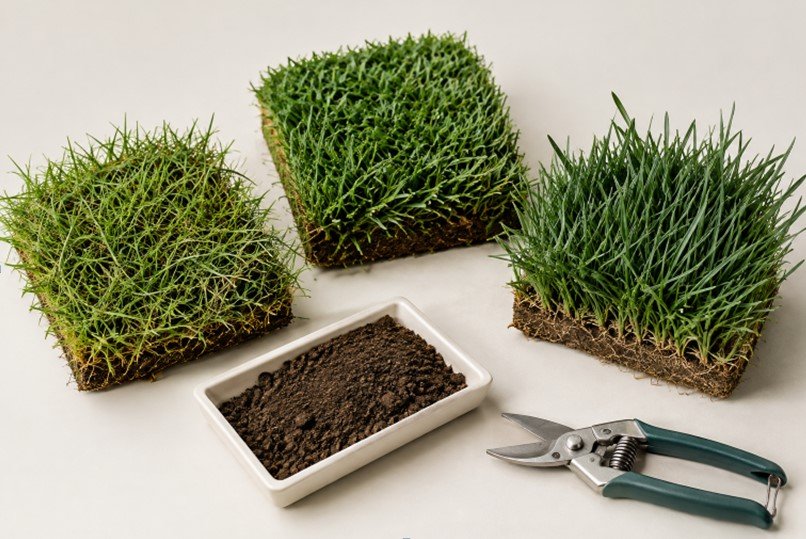
Bermudagrass is a warm-season turf that prefers full sun and grows most actively during warm weather. Zoysiagrass is also warm-season, though it has a different texture and growth habit. Tall fescue is a cool-season grass often used where homeowners want green color outside of summer, but it can struggle in heat and needs special attention during fall establishment. Before buying seed or fertilizer, identify the dominant grass rather than treating every green area alike. Look at where it grows best, how it responds after winter, and whether the lawn greens up in spring or stays greener through cooler weather. Mixed lawns are common, especially where sun exposure varies.
January and February: Plan Before Spring Growth
Winter is a practical time to inspect low areas for standing water, exposed soil, washed-out mulch, and drainage paths. Avoid repeated traffic across saturated turf, since soft soil can compact under foot or equipment traffic. Sharpen mower blades, check spreaders, and inspect irrigation heads before regular mowing returns. If the lawn has recurring thin spots, weak color, or unexplained poor growth, plan to have a soil test done before guessing at fertilizer or lime needs. For weed prevention, follow the product label closely, including directions about turf safety, rainfall, temperature, and timing. Do not apply treatments when heavy rain is imminent or when wind could carry spray off target.
March Through May: Build a Strong Growing Season
Resume mowing when the grass is actively growing, and mow often enough that each cut removes only a modest portion of the blade. Regular mowing encourages a more even surface and prevents tall clippings from smothering smaller plants. Check for winter annuals, broadleaf weeds, and early crabgrass pressure, but choose control products that are suitable for the existing turf. Spring fertilization should reflect grass type, soil test results, and current growth. A lawn that is thin because of shade, drainage, or compaction may not improve simply from more fertilizer. Aeration can be useful in compacted soil, but it is not a universal spring task. Also, check herbicide labels before seeding, since some products can interfere with new grass establishment.
June Through August: Protect Turf From Heat Stress
Summer care is largely about reducing stress. Raise mowing height within the recommended range for the grass type during hot or dry stretches, and keep blades sharp for a cleaner cut. When watering is necessary, deeper, less frequent watering is generally more effective than brief daily sessions because it allows moisture to reach deeper into the soil. Look for folded leaf blades, a dull gray-green cast, or footprints that remain visible as potential signs of water stress. Water early in the morning when possible, allowing leaf surfaces time to dry. A sunny bermudagrass lawn may actively grow throughout summer, while a shaded tall fescue lawn may need careful watering and less aggressive feeding during periods of heat stress.
September Through November: Repair and Prepare
Fall is a valuable time for repairs, particularly for tall fescue. Core aeration can relieve compaction when turf is actively growing, and overseeding thin fescue areas can improve density when conditions are suitable for seed establishment. Keep newly seeded areas consistently moist according to the seed instructions, then transition toward normal watering as roots develop. Remove leaf layers that block sunlight and hold moisture against the grass. Continue to monitor for cool-weather weeds, record persistent bare spots, and note areas affected by runoff or shade. Warm-season grasses are slowing down during this period, so avoid pushing late-season growth with a one-size-fits-all fertilizer approach.
December: Review the Year and Protect the Lawn
Clear heavy leaves, branches, and debris from the turf, then store lawn products and equipment safely. Dormant grass usually needs little intervention, though mowing may still be needed if growth continues. Use this quieter month to list problem areas and schedule next year’s soil testing, drainage work, or equipment maintenance.
Common Bentonville Lawn Care Mistakes
- Applying the same schedule to bermudagrass, zoysiagrass, and tall fescue.
- Mowing too short during hot weather.
- Watering shallowly and too often.
- Fertilizing without considering soil conditions or grass growth.
- Using weed products without confirming turf compatibility.
- Ignoring shade, drainage, compaction, and heavy traffic.
A Simple Monthly Lawn Checklist
- January to February: Inspect drainage, maintain equipment, and plan soil testing.
- March to April: Restart mowing, inspect for weeds, and monitor spring growth.
- May: Check irrigation coverage and watch for early heat stress.
- June to August: Water thoughtfully, mow appropriately, and inspect for disease or insects.
- September to October: Address compaction, overseed suitable fescue areas, and manage leaves.
- November to December: Remove debris, limit traffic on wet turf, and document recurring issues.
Frequently Asked Questions
When should Bentonville homeowners apply spring weed prevention?
Timing depends on soil conditions, weather patterns, grass type, and the product label. A prevention product must be applied before the target weed germinates, so monitor conditions rather than relying on a single fixed date each year.
How often should a Bentonville lawn be watered?
Watering needs vary with rainfall, soil texture, slope, shade, grass type, and visible stress. Check the soil and turf before watering rather than running irrigation on autopilot.
When is the best time to overseed?
Fall is often the preferred time to overseed tall fescue because it is entering a favorable growth season. Warm-season turf follows a different establishment pattern and should not be seeded on the same schedule.
Why do weeds keep returning?
Weeds often reappear where turf is thin, soil is compacted, mowing is too low, drainage is poor, or prevention timing is missed. Improving turf density and correcting the underlying site condition can reduce future weed pressure.
What should homeowners do about tall grass and weeds?
Keep up with regular mowing and address problem areas early. Bentonville’s property maintenance code states that grass and weeds generally must remain below eight inches, with a different limit for detention and retention ponds.
Conclusion
Bentonville lawn care works best when maintenance is based on grass type, seasonal conditions, and the needs of each part of the yard. Bermudagrass, zoysiagrass, and tall fescue follow different growth patterns, so mowing, fertilizing, watering, and overseeding should be adjusted accordingly. Homeowners should also pay attention to shade, drainage, soil compaction, foot traffic, and recurring bare or weedy areas rather than relying on treatments alone. Regular inspections throughout the year can help identify problems early and keep seasonal tasks manageable. By following a consistent schedule, correcting underlying lawn conditions, and adjusting care as weather changes, Bentonville homeowners can maintain healthier, more resilient turf while avoiding unnecessary treatments and rushed repairs.
Rameen Zara is the founder of Clarity Nooks, bringing over five years of experience in home décor and interior styling. She shares simple yet practical design ideas that suit real homes and everyday living. Her approach focuses on cozy aesthetics, soft color palettes, and natural textures that create warm, inviting spaces.