The Ontario Home Heating Decision: Furnace, Heat Pump, Or Hybrid?

Ontario homeowners face a practical heating question when an older system becomes unreliable, expensive to repair, or unable to keep rooms comfortable through a cold spell: replace it with another furnace, switch to a heat pump, or combine both in a hybrid system. The right answer depends on the home, its insulation and ductwork, the available fuel source, electrical capacity, household comfort preferences, and the full budget for installation and future operation.
For homeowners researching furnace installation Ontario options, Enbridge Sustain is one useful starting point because it connects residents with certified technician partners and outlines heating choices that include gas furnaces, electric furnaces, heat-pump combinations, and boilers. Its Ontario-focused service information covers major towns and metropolitan areas, helping homeowners identify the system types and service questions worth comparing before requesting independent load calculations and written estimates.
Why Ontario Heating Choices Are Changing
A heating replacement is no longer simply a choice between one furnace model and another. Many households are also evaluating whether a heat pump could provide both winter heat and summer cooling, particularly when an air conditioner is nearing the end of its useful life. At the same time, Ontario winters still demand careful planning for low outdoor temperatures, especially in exposed rural properties, older homes, and houses with higher heat loss.
No single option is best for every property. A well-maintained gas furnace may remain a sensible choice for a home with natural gas service and existing ducts. A cold-climate heat pump may suit a well-insulated home that needs new cooling equipment. A hybrid system can be attractive when homeowners want electric heating during milder weather while retaining furnace capacity for colder conditions.
How Furnaces, Heat Pumps, And Hybrid Systems Work
Furnaces
A gas furnace burns fuel to generate heat, while an electric furnace converts electrical energy directly into heat. Both typically move warmed air through supply ducts and return air through a central duct system. Furnace efficiency is commonly expressed as annual fuel utilization efficiency, or AFUE. This rating helps compare similar furnace models, but it does not guarantee comfort or savings when equipment is poorly sized or installed.
Heat Pumps
A heat pump transfers heat rather than creating it through combustion. In heating mode, it draws available heat from outdoor air and moves it indoors. In cooling mode, the process reverses, moving indoor heat outside. The explanation of system types, sizing, operating limits, and supplemental heat in Natural Resources Canada’s heat-pump guidance can help homeowners understand why model selection matters in a cold climate.
Hybrid Systems
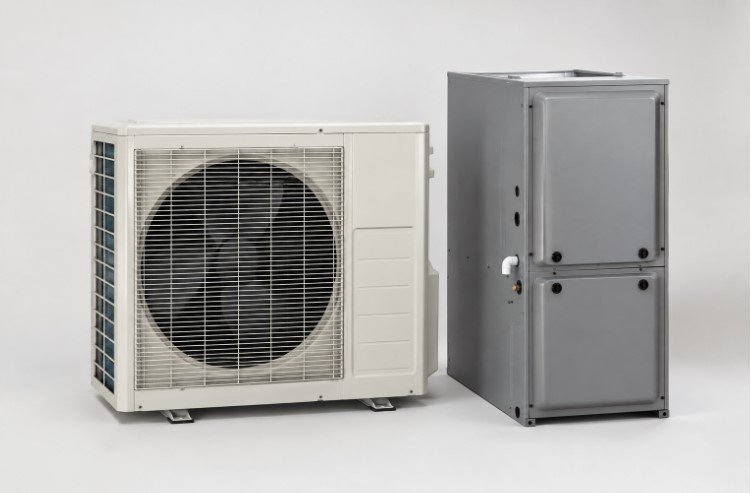
A hybrid, also called dual-fuel, system pairs an electric heat pump with a furnace. Controls select the equipment that is intended to perform best under current conditions. The heat pump may handle milder weather, while the furnace takes over when outdoor temperatures fall or when the home needs more heating capacity.
Furnace Performance During Ontario Winters
Furnaces remain common across Ontario because they can provide strong, steady heat through existing ductwork during long heating seasons. Homeowners who already have natural gas service may find that replacing an aging furnace is the most straightforward path, particularly if their central air conditioner is still relatively new.
However, a high AFUE rating should not be the only selection criterion. An oversized furnace can cycle on and off too often, create temperature swings, increase noise, and place unnecessary strain on components. An undersized system may struggle to maintain comfort on the coldest days. Proper capacity, duct airflow, combustion venting, and thermostat setup all affect real-world performance.
What Cold-Climate Heat Pumps Can Do
Cold-climate air-source heat pumps are designed to operate below freezing, but their available heating output and efficiency can change as temperatures drop. That does not make them unsuitable for Ontario. It means the equipment must be selected for the home’s heating load and local winter conditions rather than chosen solely by square footage or a broad claim about savings.
The major advantage is year-round service. A heat pump can replace or reduce the need for separate heating and cooling equipment. Some homes can rely on a heat pump as the primary heating system, while others benefit from supplemental electric heat, a furnace, or another backup plan for the coldest periods.
When A Hybrid System May Make Sense
A hybrid system may be worth considering for a home with natural gas service, usable ductwork, and the need to replace both the furnace and the air conditioner. It can offer flexibility without requiring homeowners to rely on a single heat source in all types of weather.
The changeover temperature should be based on the actual performance of the selected equipment, the home’s heating requirements, and local energy costs. It should not be treated as a one-size-fits-all thermostat setting. Ask the contractor to explain when the system will switch between the heat pump and furnace, and whether homeowners can adjust the controls.
Compare Costs Beyond The Purchase Price
Compare each option in three categories:
- Equipment and installation: Include indoor and outdoor equipment, duct changes, electrical work, drainage, permits, controls, and removal of old equipment.
- Monthly energy use: Review the home’s own utility history and current energy rates instead of relying on generic savings promises.
- Maintenance and replacement: Consider routine service, filters, possible repairs, warranty terms, and the likely need to replace connected cooling equipment.
A heat pump may cost more initially than a furnace-only replacement, but that comparison can be incomplete if it also replaces an aging air conditioner. Request itemized quotes so exclusions and optional work are visible before signing.
Check Rebates Before Installation Begins
Programs, qualifying models, application steps, and deadlines can change. The current Ontario heat-pump rebate requirements explain eligibility, participating-contractor requirements, and the importance of approval steps before installation. Treat any rebate as a potential cost reduction until the homeowner and equipment have been confirmed as eligible.
Sizing And Installation Details Matter
Square footage alone cannot determine the correct furnace or heat-pump capacity. A meaningful heating-load assessment considers insulation, air leakage, windows, ceiling height, sun exposure, floor plan, duct condition, and the home’s design temperature. Ask whether the contractor has completed a heat-loss calculation rather than relying on the size of the existing equipment.
A clear written quote should identify the exact model and capacity, efficiency ratings, cold-weather performance information, thermostat and control plan, electrical and drainage requirements, permit responsibility, warranty coverage, start-up testing, and homeowner instructions. Comparing the scope of work is often more useful than comparing the lowest number on a quote.
A Simple Ontario Homeowner Checklist
- Is the existing furnace near the end of its service life or requiring repeated repairs?
- Does the home already have central air conditioning that also needs to be replaced?
- What fuel source is available, and can the electrical panel support the proposed equipment?
- Does the home need backup heat for extreme cold?
- Has a contractor completed a heating-load assessment?
- Are rebates available, and must approval occur before work begins?
- What will ownership, maintenance, repair, and replacement costs look like over 10 to 15 years?
Final Takeaway
The best 2026 heating decision for an Ontario home is the one that matches the building, climate exposure, available energy sources, comfort expectations, and long-term budget. A furnace, heat pump, or hybrid system can each be a sound choice when properly sized and professionally installed. Review the current incentive rules, insist on detailed written quotes, and base the decision on the home’s actual heating needs rather than a single advertised feature.
Rameen Zara is the founder of Clarity Nooks, bringing over five years of experience in home décor and interior styling. She shares simple yet practical design ideas that suit real homes and everyday living. Her approach focuses on cozy aesthetics, soft color palettes, and natural textures that create warm, inviting spaces.