Modern Wall Design Ideas for Stylish and Comfortable Living Spaces

Wall design plays an important role in how a home looks and feels. Beyond providing a backdrop for furniture and decoration, walls influence the sense of space, the distribution of light, and the overall character of an interior. A carefully chosen finish can make a small room feel more open, give a large living area greater definition, or introduce warmth into an otherwise plain setting. Modern wall design focuses on finding the right balance between appearance, comfort, durability, and practical use.
Contemporary interiors draw on a wide range of materials, including paint, wallpaper, decorative panels, natural stone, wood, and textured finishes. Each option offers different visual qualities and maintenance requirements. The most successful designs are those that complement the room’s architecture and support the way its occupants use the space.
Textured Walls for Greater Depth
Flat, painted walls remain a practical choice, but textured surfaces can give an interior more visual interest without requiring additional furniture or decoration. Subtle texture works particularly well in living rooms, bedrooms, and dining areas where a calm atmosphere is preferred. Decorative finishes created with wall texture paint can introduce subtle depth and surface variation, creating the appearance of natural stone or soft plaster without relying on bold colours. The right finish depends on the room’s proportions, lighting conditions, and existing materials.
Texture also needs to suit the room’s proportions. Heavy finishes across every wall may make a compact space feel crowded, while a single textured feature wall can provide definition without overwhelming the interior. Before selecting a finish, the wall’s condition, lighting, and maintenance requirements should be considered.
Wallpaper That Complements Modern Interiors
Wallpaper offers considerable flexibility for homeowners seeking patterns, colours, or surface details that paint alone cannot provide. Modern collections include geometric prints, botanical designs, abstract forms, fabric-inspired textures, and understated patterns that resemble natural stone or plaster.
The scale of a pattern has a direct effect on the room’s appearance. Large motifs can create a striking focal point in a spacious living room, whereas smaller, low-contrast patterns often work well in bedrooms and narrow hallways. Neutral wallpaper with a linen or textured appearance provides another option for interiors that need depth without strong visual contrast.
Material selection matters as much as the design itself. Non-woven wallpaper is often convenient to install, while vinyl-coated products may offer greater resistance to everyday marks, depending on their construction. Areas exposed to moisture require products specifically suited to those conditions.
For homeowners comparing colours, finishes, and patterns, a specialist wallpaper shop can provide useful guidance on coordinating wall coverings with furniture, flooring, and existing decor. Ordering samples before making a final decision also helps reveal how a design looks under the room’s actual lighting conditions.
Feature Walls That Create a Focal Point
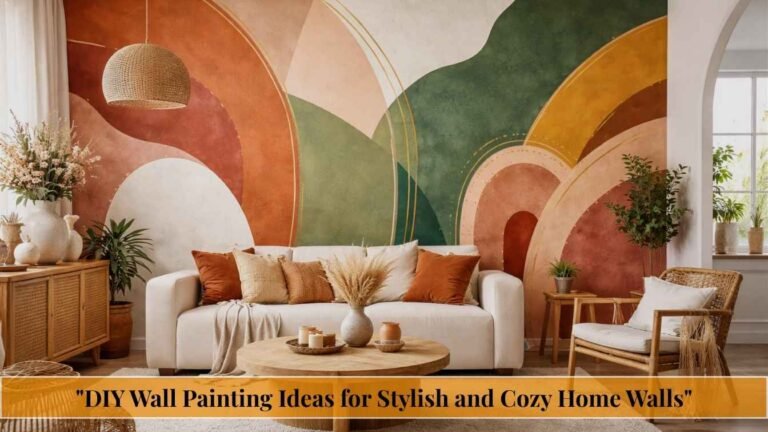
A feature wall gives a room a clear visual centre. Rather than decorating every surface equally, this approach directs attention towards an architectural element or a particular part of the interior. Common locations include the wall behind a sofa, the headboard wall in a bedroom, and the surface surrounding a television or fireplace.
Colour is one of the simplest ways to create this distinction. Deep green, muted blue, warm terracotta, and charcoal can provide contrast against lighter surrounding walls. The choice depends on the amount of natural light, the size of the room, and the colours already present in the furnishings.
Materials can also establish a feature wall. Wood slats, decorative mouldings, stone-effect panels, and patterned wallpaper each produce a different result. A slatted timber wall introduces linear detail, for example, while mouldings can add structure to a room with otherwise plain surfaces.
A feature wall should have a clear purpose. When several competing focal points appear in the same room, the overall design can feel disjointed. One well-positioned treatment often creates a stronger result than multiple decorative surfaces.
Natural Materials for a Warmer Atmosphere
Wood, stone, and other natural materials bring variation in colour and texture to modern interiors. Their surfaces can soften the appearance of glass, metal, and other materials commonly found in contemporary furniture.
Wooden wall panels suit a wide range of settings, from Scandinavian-inspired living rooms to more traditional interiors with modern furnishings. Light oak and ash tend to create a softer, brighter appearance, while walnut and darker timber introduce greater visual weight. Vertical slats can also draw the eye upwards, making a room appear taller.
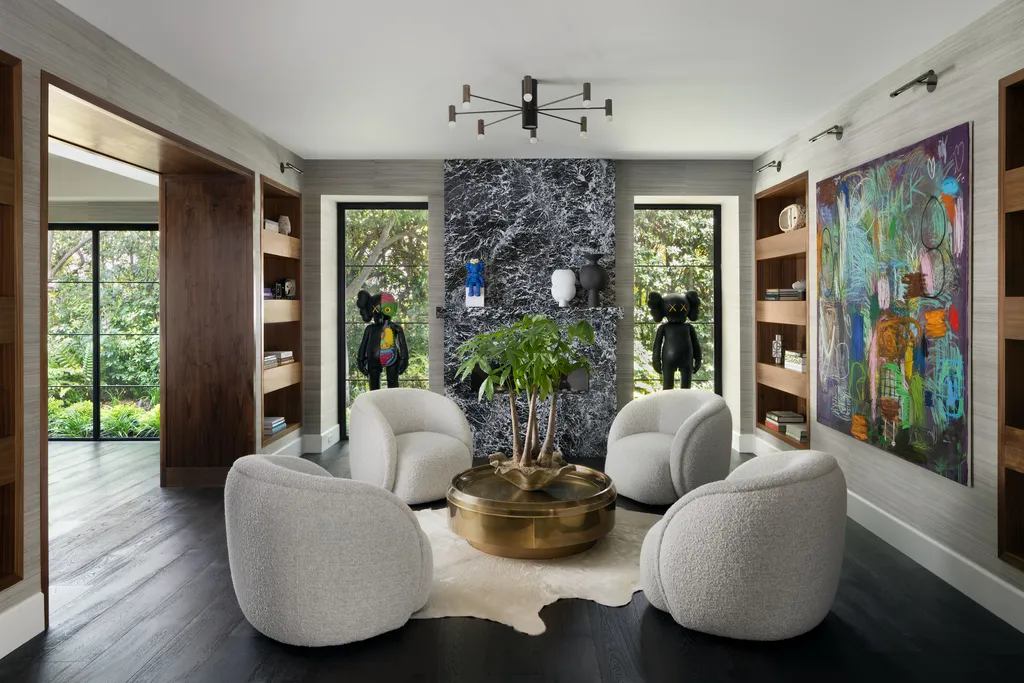
Stone and stone-effect finishes provide a different character. Marble-inspired surfaces can work well around fireplaces or selected feature walls, while textured stone may suit entrances and larger living areas. However, natural stone can be expensive and may require specialist installation or sealing. High-quality alternatives can offer a similar visual effect with different costs and maintenance needs.
Natural materials are most effective when used selectively. A timber panel behind a bed or a stone finish around a fireplace can establish a strong design feature without making the room feel overly decorated.
Modern Wall Colours That Support Comfort
Colour influences the atmosphere of an interior and affects how different surfaces relate to one another. Although white and pale grey remain common choices, modern wall palettes increasingly include warmer neutrals, muted greens, earthy browns, and subdued blues.
Cream, beige, and soft taupe can make a room feel welcoming, particularly when combined with wood flooring and natural fabrics. Sage green and dusty blue provide colour without creating excessive contrast. Darker shades, including navy and forest green, can work well in rooms with sufficient lighting and a considered arrangement of furnishings.
The relationship between wall colour and lighting deserves attention. A shade that appears neutral in a brightly lit showroom may look warmer or cooler at home. Artificial lighting can also change how colours are perceived throughout the evening.
Testing paint samples on different sections of a wall helps reveal these differences. Rather than relying entirely on colour charts, designers often assess samples during daylight and under the room’s usual evening lighting. This small step can prevent costly mistakes and help maintain a consistent atmosphere.
Decorative Wall Panels for a Structured Finish
Decorative panels offer a practical way to introduce pattern, depth, and architectural detail. Depending on their design, they can create a traditional, contemporary, or minimalist appearance.
Simple rectangular mouldings work well in living rooms and bedrooms where subtle detailing is preferred. Fluted panels, meanwhile, introduce repeated vertical lines that can complement modern furniture and clean architectural forms. Upholstered wall panels provide a softer finish and are particularly suitable for bedrooms, where they can create a comfortable backdrop behind the bed.
Panel proportions should reflect the dimensions of the wall. Oversized sections may look unbalanced in a narrow room, while very small repeating patterns can create unnecessary visual activity across a large surface. Consistent spacing and careful installation help maintain a neat finish.
Material choice is equally important. MDF panels are commonly used for painted decorative treatments, while timber and composite products offer different finishes and installation requirements. Moisture-prone areas need materials designed for those conditions, along with suitable adhesives and protective coatings.
Wall Designs That Make Small Rooms Feel Larger
Compact rooms benefit from wall treatments that create visual continuity rather than unnecessary divisions. Light colours, restrained patterns, and carefully positioned decorative details can help a limited area feel more open.
Vertical patterns may draw attention towards the ceiling, while horizontal lines can emphasise a wall’s width. These effects depend on the room’s proportions and should be used with care. A large, high-contrast pattern may dominate a small bedroom, whereas a subtle geometric print can introduce interest without making the space feel busy.
Mirrors can also improve the perception of space by reflecting light and parts of the room. Their placement matters, however. A mirror positioned opposite a window may help distribute daylight, while one facing a cluttered area can make the room feel less orderly.
Wall-mounted shelving provides storage without occupying the floor. When combined with a consistent wall colour, it can create a more unified appearance than bulky freestanding furniture. The same principle applies to concealed storage and streamlined wall-mounted lighting.
Lighting That Brings Wall Designs to Life
Wall finishes often look different under direct sunlight, overhead lighting, and softer evening illumination. Lighting should therefore be considered alongside the wall treatment rather than added as an afterthought.
Wall sconces can create pools of light that highlight decorative panels or textured surfaces. Recessed lighting and concealed LED strips provide a more discreet effect, particularly around shelves, headboards, and selected architectural details. Adjustable spotlights can emphasise artwork or a textured feature wall.
The placement and colour temperature of the light source influence the final appearance. Warm lighting generally creates a relaxed atmosphere, while neutral white light can provide a clearer view of colours and surface details. Highly reflective finishes may produce glare if the lighting is positioned poorly.
A balanced arrangement combines practical illumination with softer accent lighting. This approach supports everyday activities while allowing wall treatments to contribute to the room’s atmosphere after dark.
Personalised Walls Through Art and Carefully Chosen Accessories
Artwork, framed photographs, and decorative objects help give an interior a distinct identity. These elements work best when their size and placement relate to the surrounding wall rather than competing with it.
A large artwork can anchor the wall above a sofa, while a coordinated gallery arrangement may suit a hallway or staircase. Frames with similar finishes create consistency, although a carefully controlled mixture of sizes and styles can produce a more individual result.
Spacing is essential. Artwork positioned too high can appear disconnected from the furniture below, while numerous small objects spread across a wall may create clutter. A clear arrangement with enough surrounding space generally produces a more considered appearance.
Shelves and wall-mounted display units can accommodate books, ceramics, and personal collections. However, leaving some areas empty allows the more important pieces to remain visible. Decoration should contribute to the room’s character without making routine cleaning or everyday use unnecessarily difficult.
Choosing Wall Finishes for Long-Term Use
A successful wall design must remain practical after the initial installation. The right material depends on the room’s function, the level of daily activity, the condition of the wall, and the amount of maintenance the occupants can reasonably manage.
Washable paint can be useful in family living areas and hallways where fingerprints and marks are more likely. Wallpaper should be selected according to its material and cleaning instructions, particularly in rooms exposed to humidity. Decorative panels may require occasional dusting, while natural timber can need additional care depending on its finish.
Preparation also affects the final result. Uneven walls, loose paint, damp patches, and cracks should be addressed before applying a new finish. Covering an existing problem with wallpaper or decorative panels may conceal the damage temporarily without resolving its cause. Moisture issues should be investigated and corrected before installation begins.
Budget planning should account for more than the material price. Surface preparation, adhesive, labour, trims, and future maintenance can influence the overall cost. A less expensive finish may be suitable for a particular room, while a more durable material could offer better value in a heavily used area.
Conclusion
Modern wall design combines visual character with the practical needs of everyday living. Textured finishes, contemporary wallpaper, decorative panels, natural materials, and carefully selected colours each offer ways to shape the atmosphere of a home. Lighting, furniture placement, and room proportions determine how successfully these elements work together.
Rather than following every new design trend, a considered approach begins with the room’s purpose and existing features. A restrained feature wall, a suitable wallpaper pattern, or a well-chosen paint colour may provide all the change a space needs. With appropriate materials, careful preparation, and attention to detail, modern wall treatments can create interiors that remain comfortable, functional, and visually balanced for years to come.
Rameen Zara is the founder of Clarity Nooks, bringing over five years of experience in home décor and interior styling. She shares simple yet practical design ideas that suit real homes and everyday living. Her approach focuses on cozy aesthetics, soft color palettes, and natural textures that create warm, inviting spaces.