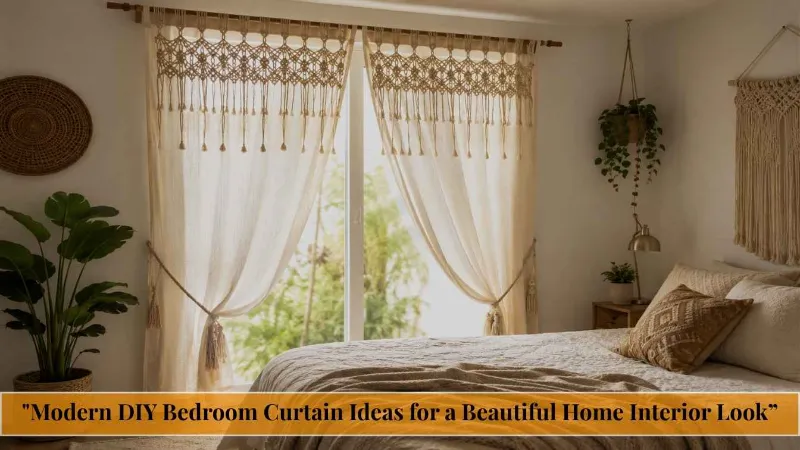
Modern DIY Bedroom Curtain Ideas for a Beautiful Home Interior Look

DIY Bedroom Curtain Ideas help you design stylish window coverings at home using simple materials and creative methods, offering budget friendly ways to improve privacy, comfort, and interior beauty while giving your bedroom a fresh personalized look without professional help. It refers to the process of creating or customizing curtains at home without buying expensive ready made options. People use fabric, rods, clips, and recycled items to match room style. Main motive includes saving money. It also supports creativity. It improves bedroom privacy. It enhances room decoration.
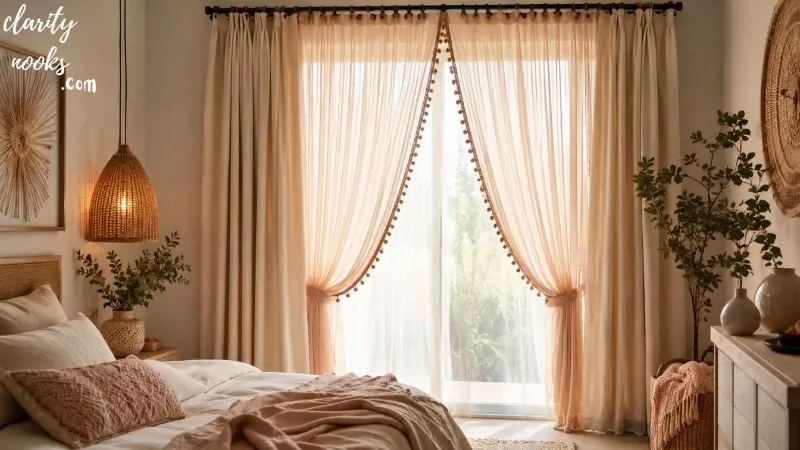
DIY Bedroom Curtain Ideas continue to grow in popularity because people want affordable home styling options. They include many designs such as no sew curtains, tie up curtains, and layered fabric styles. These ideas work well for small bedrooms, large rooms, and rental spaces where flexibility matters. People choose different fabrics, patterns, and colors to match interior themes and personal taste. Simple tools and basic sewing skills help beginners complete projects quickly and effectively. This approach supports sustainability by reusing materials and reducing unnecessary home expenses.
Why DIY Bedroom Curtains Are Worth It
Before diving into ideas, let’s get one thing straight DIY curtains aren’t always about saving money. Sometimes it’s about getting exactly what you want when nothing in stores fits your window size, color palette, or vibe.
A quick definition: DIY bedroom curtains are window treatments you create, customize, or repurpose yourself, ranging from no-sew fabric panels to upcycled drop cloth drapes. They can cost as little as $8 or as much as $80 depending on fabric and hardware choices.
If you have oddly sized windows, a very specific color scheme, or love crafting DIY is almost always the smarter route. If you need something done in under an hour without any effort, store-bought works too. The ideas below cover both ends of that spectrum.
No-Sew Drop Cloth Curtains
The Budget Champion
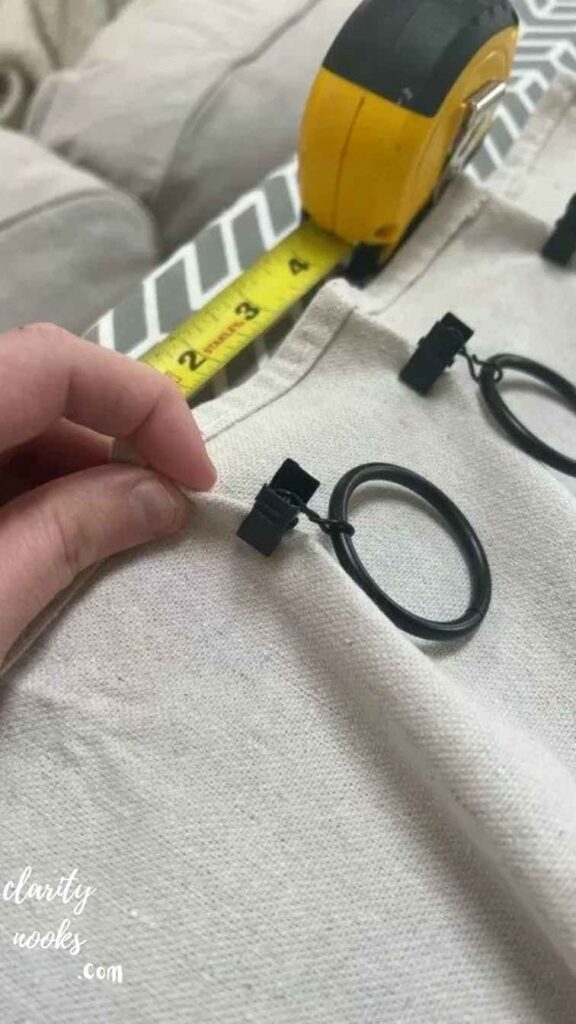
Drop cloth curtains have quietly become one of the most popular DIY window treatments for good reason. A standard 9×12 canvas drop cloth from a hardware store costs around $10–$15 and gives you enough fabric for two full-length panels on a standard window. The natural off-white tone works beautifully in farmhouse, Scandinavian, bohemian, and even minimalist bedrooms.
Real-life scenario: Sarah, a renter in a small Chicago apartment, had dark brown curtains left by the previous tenant. She replaced them with hemmed drop cloth panels using fabric glue (no sewing required), added clip rings, and hung them on a $12 tension rod. Total cost: $27. The room looked like a completely different space.
How to do it without sewing: Use iron-on hem tape along the bottom edge for a clean finish. Fold the top over a curtain rod pocket or attach clip rings directly to the fabric. Wash the drop cloth first it softens beautifully and removes stiffness.
Pro tip: Lightly bleach or dip-dye the bottom third in a soft color for an ombré effect. This single detail elevates the look from “painter’s tarp” to intentional design.
Must Read: Modern DIY Outdoor Bar Ideas for the Perfect Summer Setup
Macramé Panel Curtains
Texture That Speaks
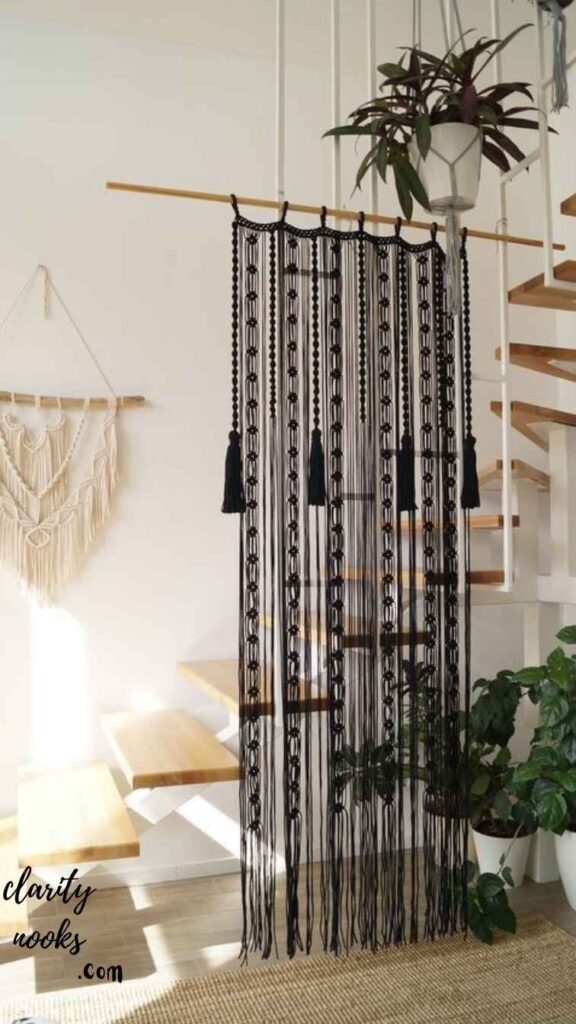
Macramé curtains create instant bohemian warmth in a bedroom. They don’t fully block light (they’re more decorative than functional), but layered over blackout roller blinds, they deliver both privacy and personality. This combination a functional blind underneath with a decorative textile over it is one of the most underused bedroom window strategies.
Mini case study: A home design blogger documented replacing her builder-grade beige curtains in a rental bedroom with a $35 macramé panel bought on Etsy and a $25 cordless roller blind from IKEA. The result felt like a boutique hotel room. The key wasn’t just the macramé it was the layering.
If you want to make macramé panels yourself, basic knotting techniques (square knots, spiral half hitches) are easy to learn from YouTube tutorials. A 36-inch wide panel takes roughly 4–6 hours for a beginner using 3mm natural cotton rope. The material cost is under $20.
Bonus: Macramé panels work well in combination with linen or sheer curtains on the same rod simply clip both together using curtain rings for a layered, curated look.
Read More: DIY Basement Bar Ideas to Create a Fun Entertainment Corner
Printed Fabric Panel Curtains
Color Without Commitment
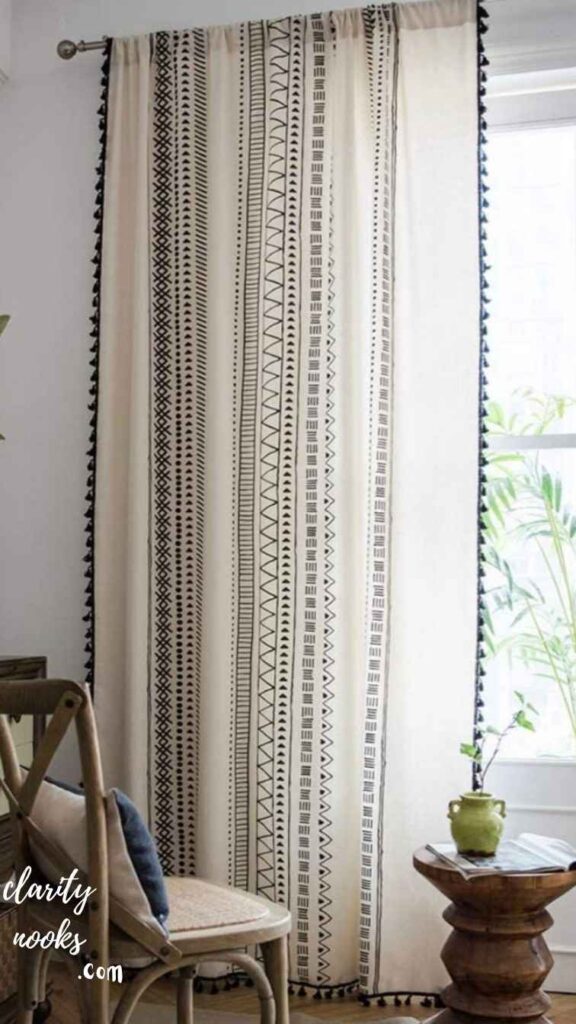
This idea is perfect for people who love bold patterns but worry about committing to a permanent design choice. Because you’re not sewing the fabric into a structured curtain, you can change it seasonally by just swapping out the fabric. Clip rings make this process take less than five minutes.
Stores like JOANN, Hobby Lobby, and even online marketplaces like Spoonflower offer thousands of fabric prints. Geometric patterns, botanical prints, vintage florals, and abstract art prints all translate incredibly well as curtains. You need approximately 1.5× the window width per panel for natural fullness more width equals more visual drama.
Example: For a 60-inch wide window, you’d want panels totaling 90 inches of fabric width. Two 54-inch wide fabric cuts (one per panel) work perfectly and hang beautifully.
How much fabric do I need for DIY curtains? For standard 84-inch length curtains, multiply your window width by 1.5–2x for fullness, then add 8 inches for hems. A single window typically requires 4–6 yards of fabric per panel.
No-sew finishing tip: Use fabric glue or iron-on hemming tape for bottom hems. The top raw edge can be folded over and secured with iron-on tape, then threaded onto a rod or fitted with clip rings. This method works well for medium to lightweight fabrics.
Read More: DIY Gaming Chair Ideas for a Cool and Comfortable Setup at Home
Sheer Linen Curtains With DIY Block Printing
Personalized Art
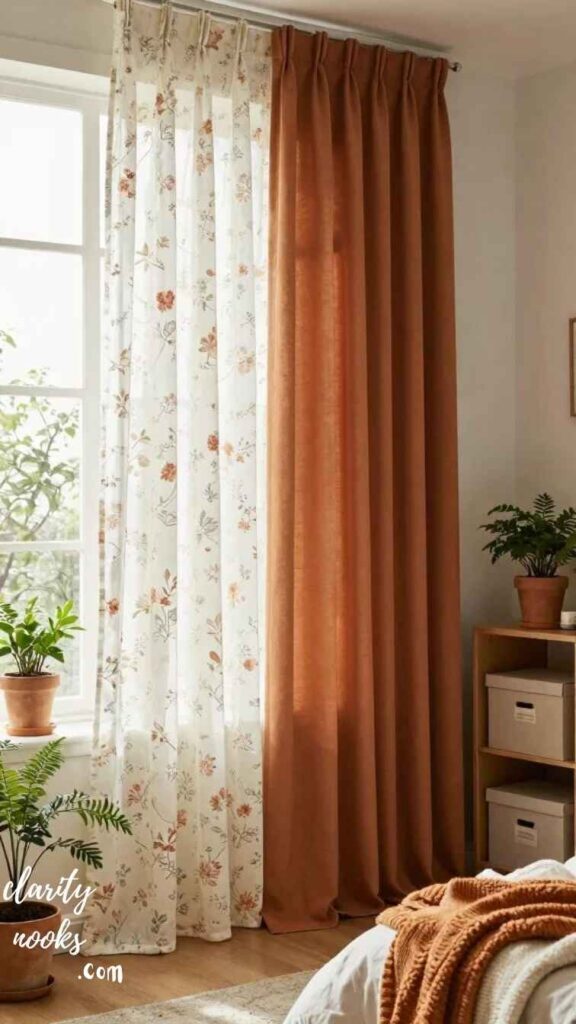
This idea bridges functional curtains with genuine artistic expression. Plain white or cream sheer linen panels are inexpensive and widely available. What makes them special is the customization using foam stamps, carved potato stamps, or purchased block printing tools to add repeating patterns directly to the fabric.
Block printing with fabric ink is surprisingly forgiving. Organic, irregular patterns (leaves, abstract shapes, simple geometric forms) look intentional and artisan even when done by someone who has never painted before. The slight imperfections are part of the charm and they signal to every guest that the curtains are made, not mass-produced.
Real-life scenario: A first-time homeowner in Austin wanted curtains that matched her gallery wall which featured earth tones and abstract shapes. She bought plain muslin panels ($14 each), used foam stamps and ochre fabric ink to print a loose diamond grid pattern, and hung them with brushed brass rings. Guests consistently assume they’re from an expensive boutique store.
Care tip: Heat-set block-printed fabric with an iron before washing (place a cloth between the iron and print). This makes the design permanent through multiple wash cycles.
Repurposed Bed Sheet Curtains
Instant Luxury Feel
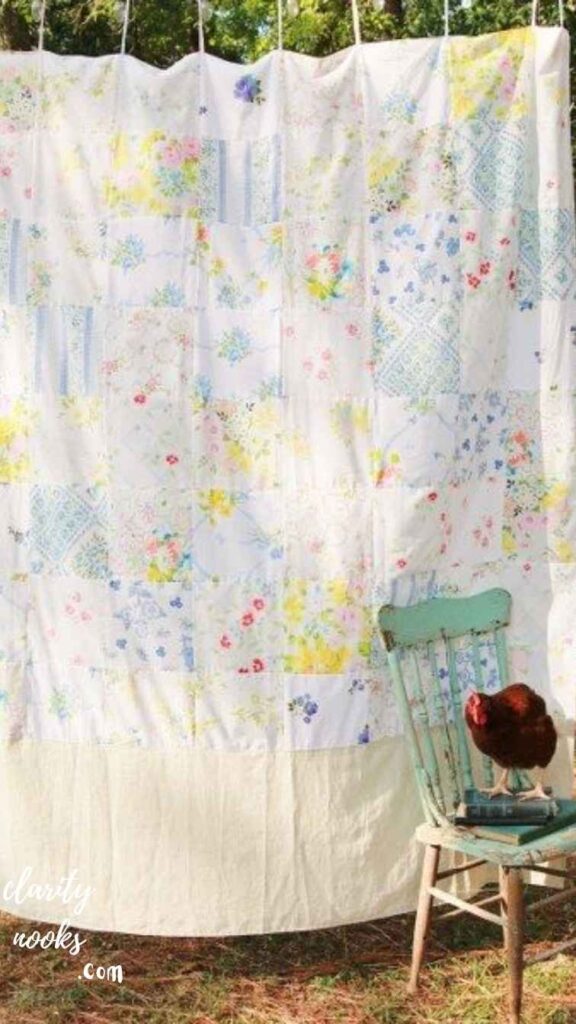
This is possibly the most underrated DIY curtain hack in existence. A 400-thread-count king flat sheet has the soft drape of expensive designer curtains because it essentially is a high-quality textile. King sheets measure approximately 108 inches wide × 100 inches long, which means a single sheet creates one very full, dramatic floor-length panel or two standard panels side by side.
You can find quality flat sheets at thrift stores, estate sales, or end-of-season linen sales for $5–$20. White, ivory, or soft gray sheets work in almost any bedroom aesthetic. Patterned sheets especially vintage floral or geometric designs from the 70s and 80s create a maximalist, curated look that’s very much on trend in 2026–2027interior design.
How to hang them: Fold the top edge over a rod pocket, clip rings along the top hem, or use a tab-top method by cutting fabric strips from a matching sheet and looping them over the rod. No sewing required for any of these methods.
Pro insight: Hang the rod as close to the ceiling as possible, and let the sheet pool 1–2 inches on the floor. This classic design trick makes any bedroom ceiling look dramatically higher and the room feel more luxurious regardless of budget.
Conclusion
DIY Bedroom Curtain Ideas help you improve your room in a simple and affordable way. They allow you to design curtains that match your style and space. You can use different fabrics and easy methods. These ideas make your bedroom look modern, cozy, and more personal without spending too much.
These projects also give you full control over colors, size, and design. You can refresh your bedroom anytime with small changes. Simple tools make the process easy for everyone. In the end, you get a comfortable space that reflects your personality and creativity while staying budget friendly and practical effectively
Trend Analysis
2026–2027 Bedroom Curtain Direction
The dominant shift in bedroom curtain design right now is moving away from heavy blackout panels in dark, muted tones toward layered, light-filtering approaches that still provide privacy. Users want rooms that feel airy and bright during the day but cozy at night.
- Double-layered systems (sheer + blackout) are replacing single heavy panels. Search volume for “sheer curtain over blinds” has grown steadily since 2023 and shows no signs of slowing.
- Natural, unbleached textiles (linen, cotton, jute) are outpacing synthetic fabrics across Pinterest and Instagram searches. The “raw material” aesthetic aligns with broader wellness and slow-living trends.
- Curtain rod placement is shifting higher to ceiling height or crown molding level. This is a designer trick that’s now mainstream, driven heavily by TikTok home content.
- Color direction for 2026–2027: Warm neutrals (terracotta, sand, warm white) are replacing cooler grays. Sage green and dusty clay are entering bedroom palettes as accent curtain colors.
- AI-generated fabric prints are becoming a real market. Platforms like Spoonflower already allow custom fabric printing from user-uploaded designs. By 2027, AI tools may let users generate and print fully custom curtain fabric from a phone prompt.
Practical Tips & Expert Insights
These are details that most curtain guides completely skip and they make a significant difference in real results.
The “rod height” rule nobody tells beginners Mount your curtain rod 4–6 inches above the window frame at minimum. Ideally, mount it at ceiling height. This single adjustment makes windows look larger, ceilings look higher, and rooms look more professionally designed. It costs nothing extra.
Width matters more than most people think Your curtains should have at least 1.5× your window width in total fabric, ideally 2×. Flat, understuffed curtain panels that barely cover the window frame are the #1 visual mistake in DIY curtain projects.
Hem weight for clean drape If your curtain fabric is light and billowy, sew or glue small metal weights into the bottom hem. Curtain weights (sold online for under $5) help lightweight fabrics hang straight and look intentional rather than messy.
Lining adds instant upgrade Adding a simple white cotton lining to any curtain panel improves drape, reduces light bleed, extends the life of colored fabrics (UV protection), and makes the curtains look fuller from the outside. Iron-on curtain lining tape makes this a no-sew option.
The “outside mount” trick for small windows For narrow windows, extend your rod 6–10 inches beyond the window frame on both sides. When curtains are open, they stack on the wall, not the glass making the window appear much wider than it actually is.
Long-Term Strategy & Sustainability
If you’re approaching bedroom design as a long-term project (not just a quick fix), your curtain choice is one of the highest-leverage investments you can make. Here’s how to think about it strategically.
Invest in hardware, economize on fabric. A quality curtain rod solid metal, brushed brass, or matte black will outlast a dozen fabric changes. Budget for the rod first ($25–$60 for a good one) and spend less on the panels themselves, knowing you can swap fabrics seasonally.
Choose neutral structural colors, add personality through texture. White, cream, and warm gray curtains serve as a permanent background for a room that changes with mood, season, or trend. The texture linen weave, velvet, macramé carries the personality without locking you into a color that dates quickly.
Natural fibers age better. Synthetic curtain fabrics (polyester, acetate blends) yellow over time and retain odors. Linen and cotton degrade more gracefully, can be washed regularly, and are fully biodegradable. For a long-term bedroom investment, natural fibers win almost every time.
Rental-friendly strategy: Tension rods, command strip curtain mounts, and peel-and-stick curtain hooks allow renters to install quality window treatments without wall damage. All three methods are significantly more capable now than five years ago modern tension rods hold up to 20 lbs without slipping.
Future Predictions & Innovations
The DIY curtain space is evolving faster than most people realize driven by both material science and digital design tools.
Smart fabric integration is moving from luxury market into accessible DIY territory. By 2027, thermochromic fabrics (that shift opacity with temperature) will likely be available to home sewers at accessible price points, allowing DIY curtains that automatically lighten or darken based on room temperature.
AI design tools will change the fabric customization market significantly. Already, tools like Midjourney and Adobe Firefly allow users to generate seamless tile patterns that can be printed directly onto fabric through services like Spoonflower. Within 2–3 years, generating and printing a completely custom curtain fabric from a simple text prompt will be a mainstream option, not a niche one.
Biophilic design integration is moving beyond plants expect to see curtain fabrics embedded with botanical dyes, pressed botanical prints, and even moss-panel curtain borders in premium interior design. The DIY version of this trend (tea-dyeing, botanical contact printing) is already active on craft platforms and growing.
Voice and app-controlled motorized curtain rods are becoming more affordable. Smart rod systems like the IKEA FYRTUR or Soma Smart Shades now connect with Alexa and Google Home. DIY curtain panels can be attached to these systems, creating semi-automated window control without custom installation.
Common Mistakes & Hidden Gaps
Buying curtains before measuring rod height Most people measure the window, then decide where to mount the rod afterward. The correct order is reversed: decide rod placement first (ceiling height? above frame?), then measure from rod to floor. This prevents panels that are 6 inches too short.
Choosing fabric by color in artificial light Store lighting makes fabric colors look different than they will in your actual bedroom. Always take a fabric swatch home and look at it in both natural daylight and your bedroom’s artificial light before committing to a full panel order.
Skipping the wash before cutting All natural fabrics (cotton, linen, drop cloth) shrink. Washing and drying your fabric before cutting or hemming prevents finished curtains that end up 3–4 inches shorter than planned after the first wash.
One rod, one fabric Layering is one of the most underused techniques in DIY curtain design. A double rod (available for under $20) allows you to hang a sheer inner panel and a heavier outer panel simultaneously dramatically improving both the look and functionality of any window treatment.
Ignoring the back of the curtain If your bedroom faces a street, what your curtains look like from outside matters. Patterned or colorful fabrics can look chaotic from the street. Adding a plain white lining solves this while also making your home look cohesive from the exterior a detail most DIY guides never mention.
Hidden gap most articles miss: Acoustic value of heavy curtains Thick, floor-length curtains with interlining actually reduce sound transmission through windows by a measurable amount particularly useful for city apartments. Velvet, interlined linen, and layered curtain systems provide genuine acoustic softening. This isn’t a primary selling point, but it’s a real benefit that sleeping-quality-focused buyers increasingly search for.
Rameen Zara is the founder of Clarity Nooks, bringing over five years of experience in home décor and interior styling. She shares simple yet practical design ideas that suit real homes and everyday living. Her approach focuses on cozy aesthetics, soft color palettes, and natural textures that create warm, inviting spaces.