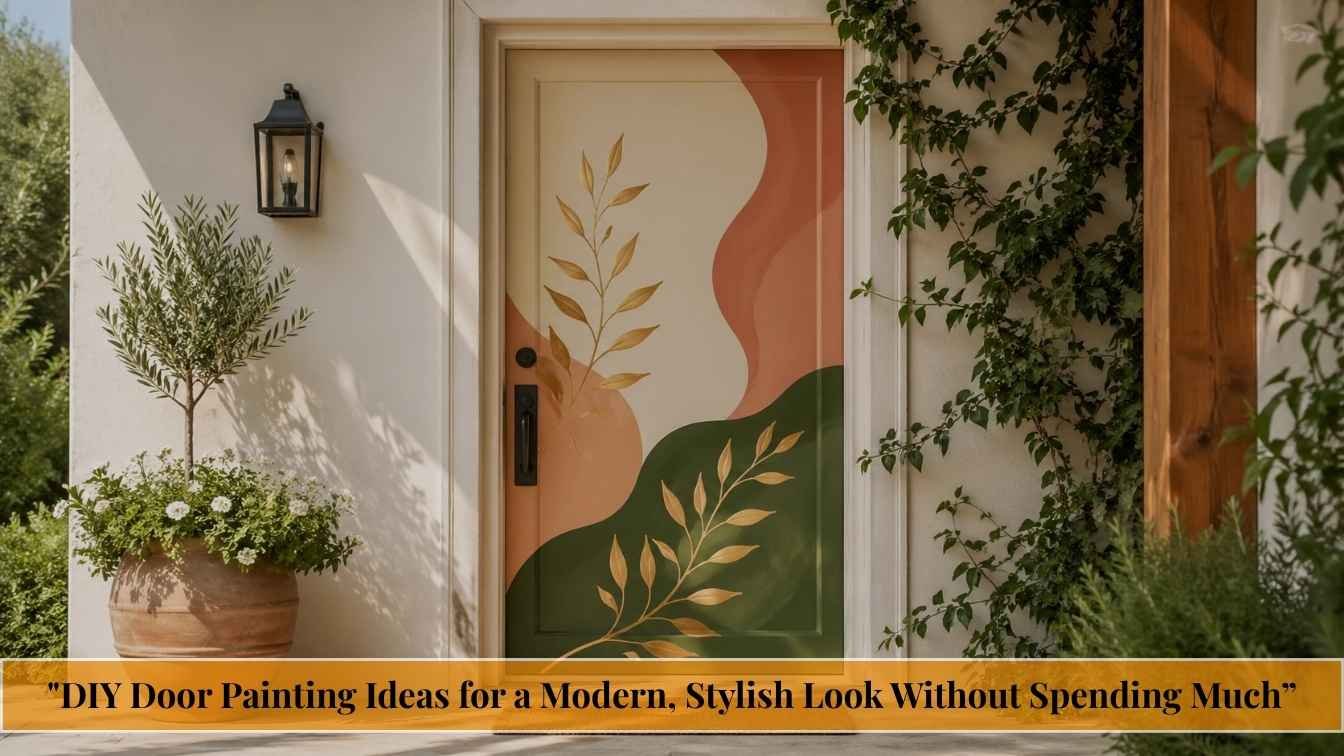
DIY Door Painting Ideas for a Modern, Stylish Look Without Spending Much

Your front door gets looked at every single day by you, your neighbors, and every guest you’ve ever had. Yet most people leave it the same flat, forgettable shade it came with. Here’s how to change that with paint, intention, and a little weekend time.
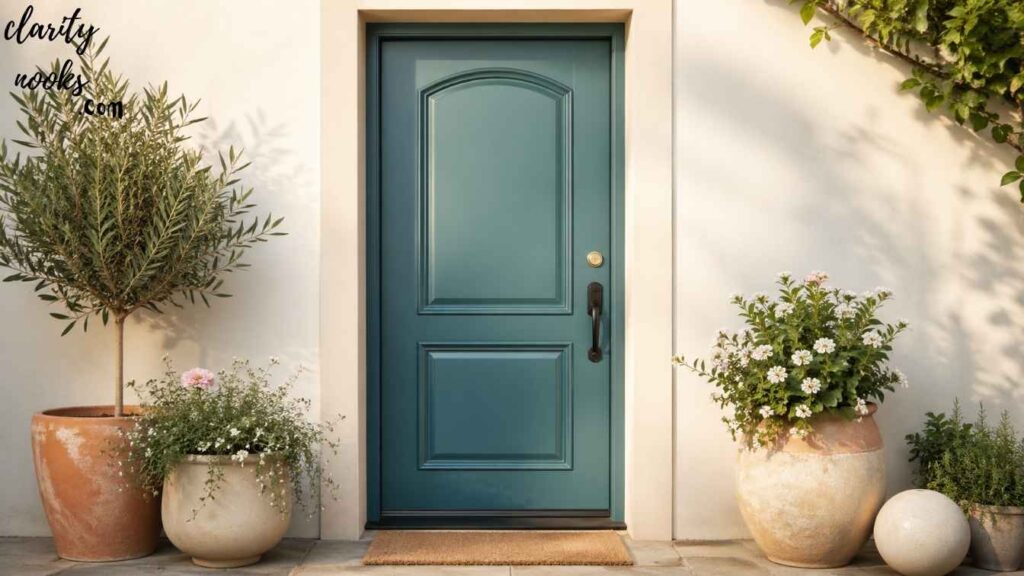
Your door is the first thing people see and the last thing they notice when they leave. A freshly painted door communicates care, personality, and pride in your home before anyone even steps inside. The problem? Most homeowners either feel intimidated by the process or assume a fresh coat of the same color will do the trick.
It won’t. Not anymore. In 2026, DIY door painting has evolved from a simple weekend touch-up into a genuine form of architectural self-expression. The ideas in this guide are drawn from real homes, professional painters, and the growing community of DIYers who’ve turned their doors into statement pieces without hiring anyone or breaking the budget.
Why DIY Door Painting Is Worth Your Weekend
The return on investment from a freshly painted door is one of the highest in all of home improvement. A 2024 survey by Consumer Reports found that exterior door repainting can recoup over 300% of its cost in perceived home value. That’s not a typo. For roughly $40–$90 in paint and materials, you get curb appeal that competes with full landscaping projects costing thousands.
Interior doors are just as impactful. Designers have long known that a painted interior door especially in a contrasting or unexpected color draws the eye, adds architectural interest, and makes a room feel more intentional. It’s one of the easiest ways to make a rental feel custom, or a builder-grade home feel elevated.
DIY door painting involves cleaning, sanding, priming, and applying 2–3 coats of exterior or interior paint in a chosen finish (semi-gloss recommended). Total cost: $30–$100. Total time: 4–6 hours over one weekend, including dry time.
Bold Front Door Colors
Make a Real Statement
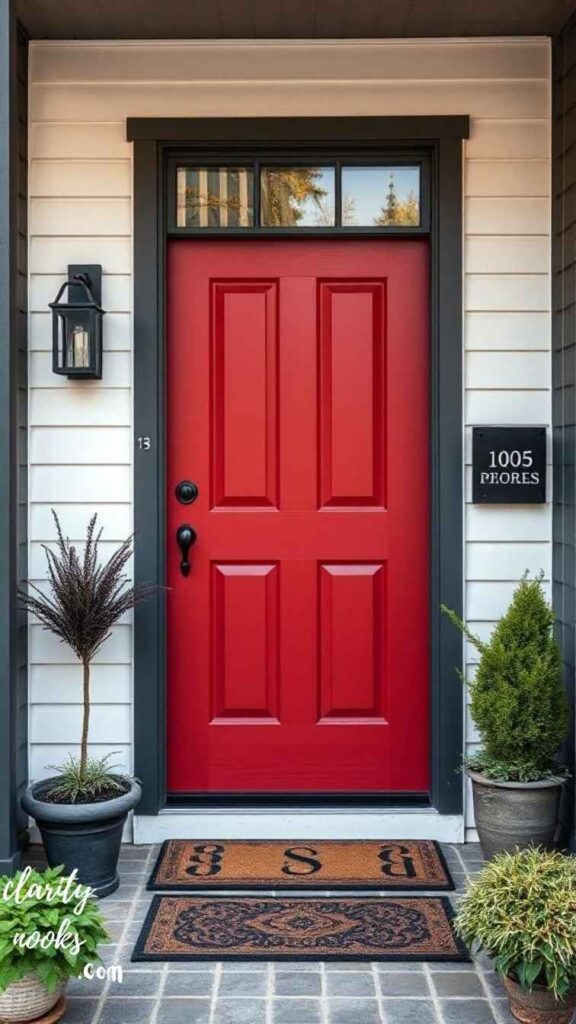
The era of the “safe” beige door is over. Designers and homeowners alike have embraced the idea that your front door should announce your personality. Deep forest green, rich navy, burnt sienna, and high-gloss black are consistently the top performers for curb appeal and they photograph beautifully if you ever decide to sell.
The key is understanding your home’s undertones. A warm-toned brick facade pairs brilliantly with olive green or deep terracotta. A gray or white siding home can carry almost any bold color navy, emerald, or even a muted burgundy. Avoid choosing a color based solely on what looks good on a phone screen. Get sample pots and paint a 12×12 patch on your actual door, then observe it in morning light, afternoon sun, and evening shadow.
Real-Life Example
A homeowner in Austin, TX replaced her builder-grade tan front door with Benjamin Moore’s “Newburyport Blue.” Three neighbors on her street followed within a year. Her Zillow listing credited the door as a featured selling point.
Must Read: DIY Front Porch Ideas to Create a Cozy Outdoor Space Fast
Two-Tone Color Blocking for Modern Doors
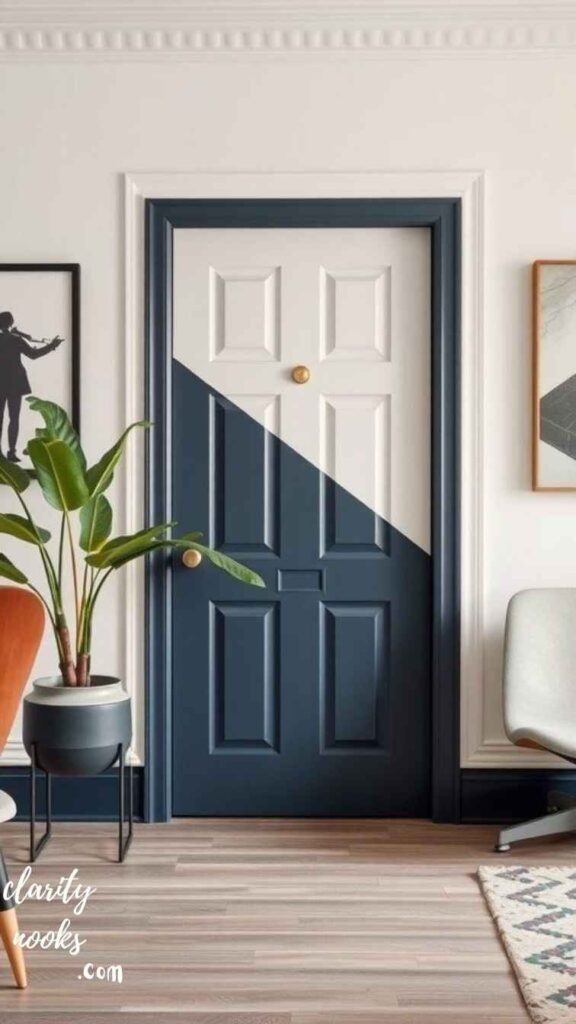
Color blocking painting different sections of a door in distinct, contrasting colors is one of the most underused DIY techniques. It works especially well on paneled doors, which already have a built-in geometric structure. Paint the recessed panels one color and the raised rails and stiles another for a graphic, intentional look.
A classic pairing: crisp white panels with a deep charcoal frame. For something bolder, try sage green panels with off-white surrounds. You’ll need painter’s tape (Frog Tape is worth every penny here) and patience. This is a two-day project at minimum one color must be fully cured before you apply tape for the second.
Mini Case Study
A Brooklyn apartment building used two-tone color blocking on 24 unit doors charcoal surround, pale yellow panel to replace a hallway of identical white doors. Resident satisfaction scores around entryway aesthetics increased measurably in their annual survey.
Read More: DIY Home Gym Ideas to Build a Motivating Workout Space at Home
Limewash & Textured Finishes
Organic Depth
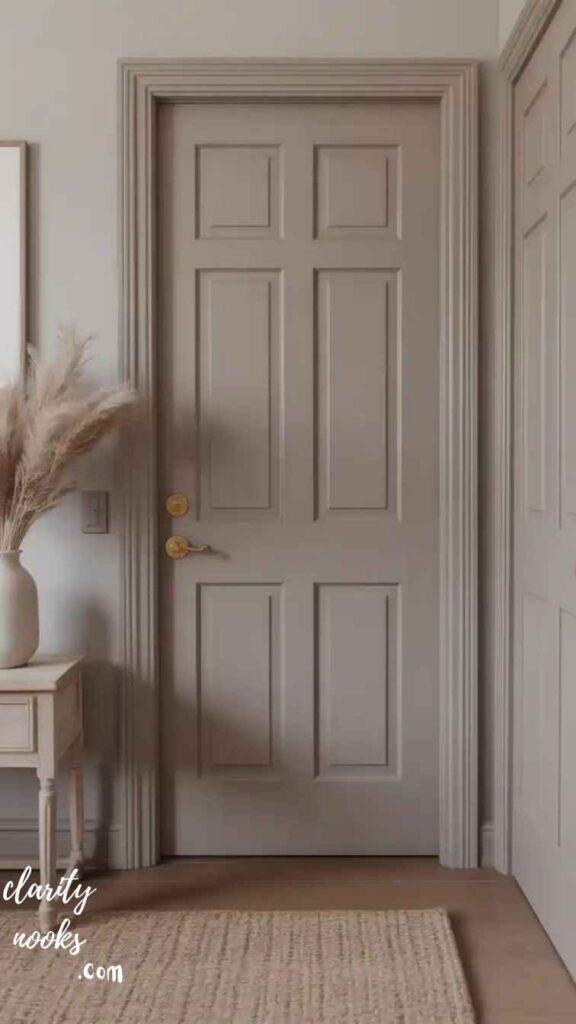
Limewash paint has surged in popularity for good reason it creates a layered, organic texture that looks like something from a Tuscan farmhouse rather than a hardware store. Applied with a chip brush in overlapping, irregular strokes, limewash creates depth that flat or eggshell paints simply cannot replicate.
This technique works best on solid wood doors with some texture to grab onto. For interior doors, limewash adds warmth and an artisan quality. For exterior use, make sure to use a limewash formulation designed for outdoor exposure several brands now offer weather-resistant versions. Portola Paints and Kaleidoscope both make excellent options under $60 per quart.
Don’t Miss: Smart DIY Home Exterior Ideas to Improve Style and Function
Black Door with Brass Hardware
The Timeless Contrast
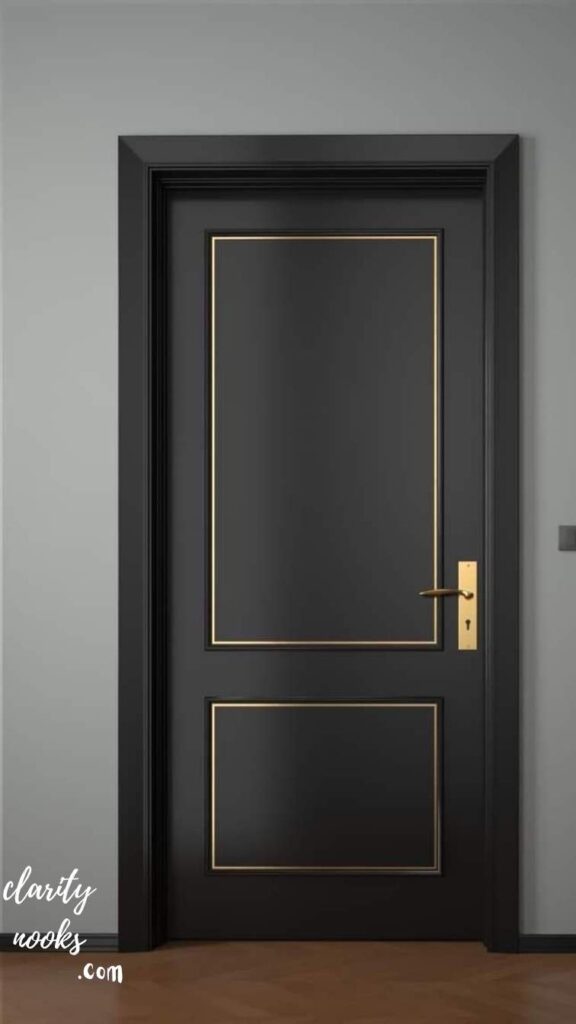
If you want maximum impact with minimum risk, the black door with brass hardware combination is almost impossible to get wrong. It reads as classic, sophisticated, and intentional in virtually every home style from craftsman bungalows to contemporary minimalist builds. High-gloss black amplifies the hardware; matte black softens it.
The most common mistake here is using a brush instead of a small foam roller for the flat panels, which leaves brush strokes visible in the dark finish. Use a 4-inch foam roller for the panels and a 2-inch angled brush only for the moldings and edges. This two-tool system produces a near-professional finish without spraying equipment.
Read Also: Creative DIY Salon Interior Design Ideas for Stylish and Functional Spaces
Faux Wood Grain Effect
Expensive Look, DIY Cost
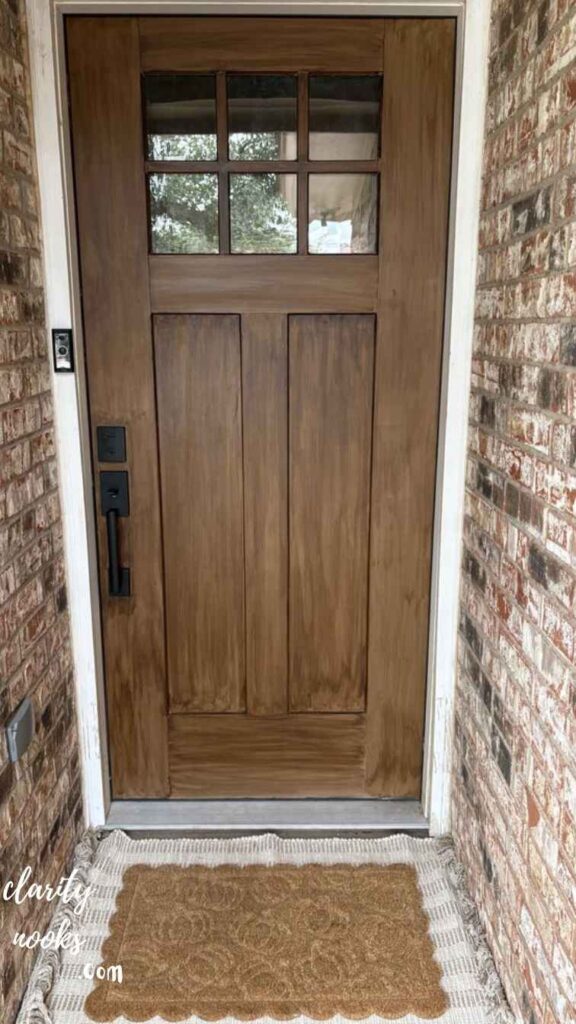
Not everyone can afford to replace a hollow-core door with solid wood. But you can paint it to look like you did. The faux wood grain technique uses a base coat (typically a warm tan or light oak color) followed by a darker glaze, which is then dragged through with a specialty graining tool or even a stiff brush to create convincing grain lines.
This technique requires practice run through the process on a piece of cardboard before touching your door. The result, when done well, is genuinely striking. It’s particularly effective on interior closet doors and bathroom doors where you want warmth without the expense of solid wood replacement.
Ombre Gradient Painting
Unexpected Drama
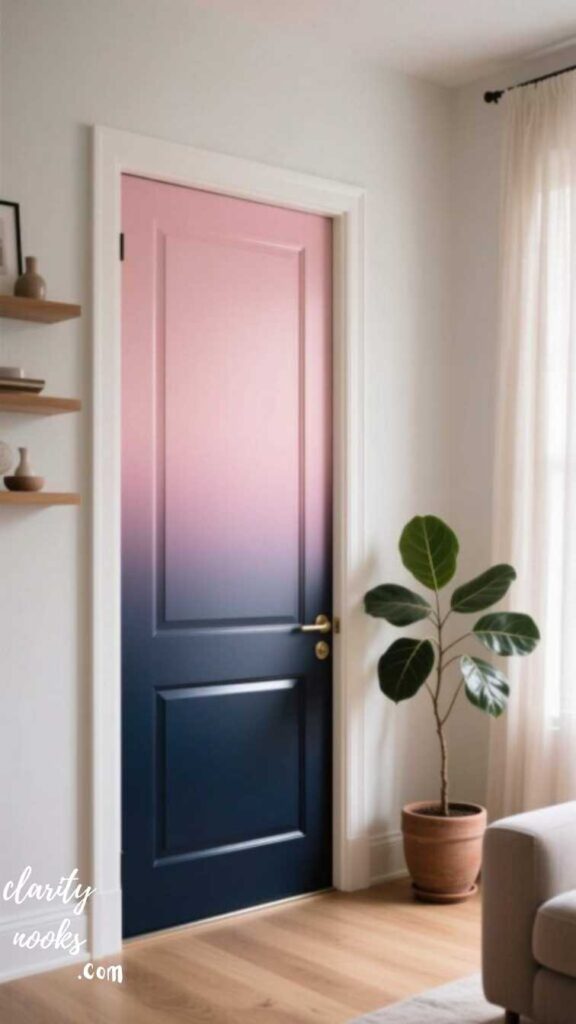
An ombre-painted door transitions from one color at the top to a lighter or darker shade at the bottom. It’s more achievable than it sounds. Using two shades of the same color family say, deep navy fading to pale sky blue you blend the colors while wet using a dry brush or foam roller in the transition zone.
This idea photographs exceptionally well and creates a visual lengthening effect on shorter doorways. It’s best suited for interior doors, as UV exposure can affect the subtle transitions in outdoor finishes over time. However, with the right exterior-grade paints, some DIYers have maintained beautiful ombre front doors for 3–4 years.
Interior Door as Accent Feature
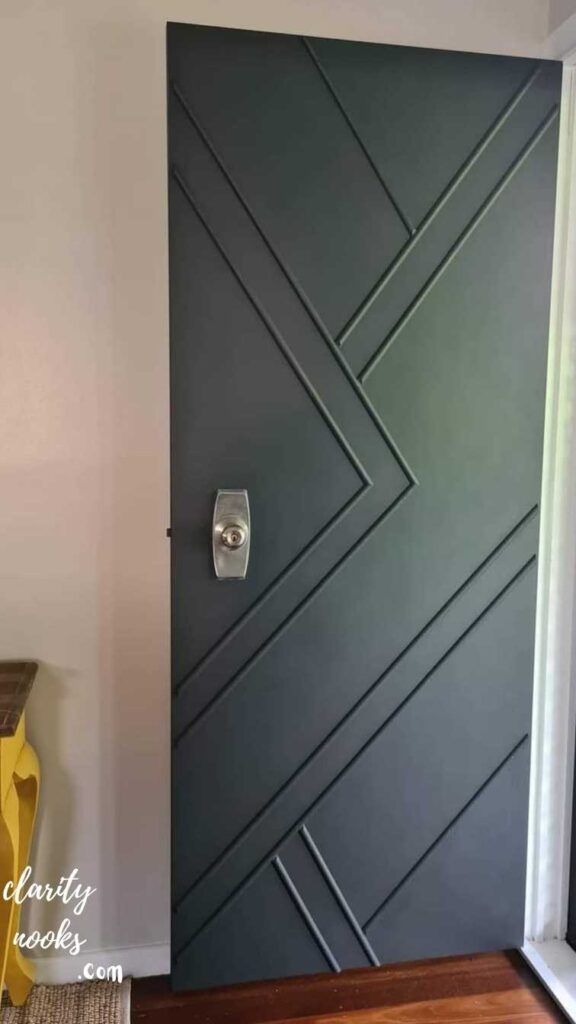
Paint a single interior door a dramatically different color from the walls around it treating it as a focal point rather than an architectural afterthought. In a room with white or neutral walls, a deep teal, forest green, or moody plum door becomes a piece of functional art that draws the eye without requiring any renovation.
This works especially well for doors that lead to special spaces: a home library, a study, a primary bedroom. The contrast signals that something intentional something worth entering is on the other side. Paint the door frame the same color as the door for a cohesive, designer-approved look.
Stenciled Pattern Doors
Artisan Detail
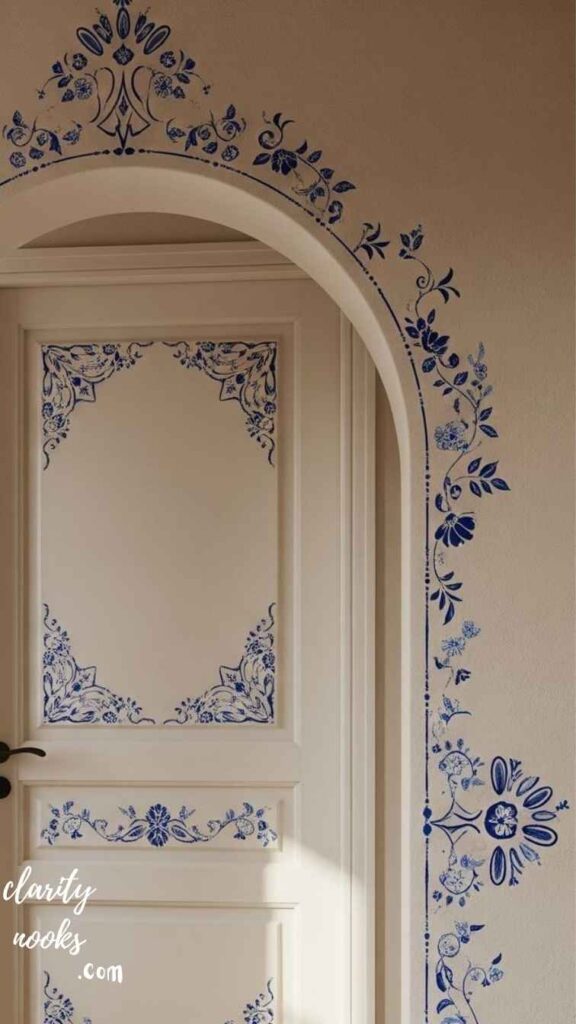
Geometric stenciling is the bridge between paint and wallpaper. A single large diamond, hexagonal grid, or Moroccan tile pattern applied in a contrasting color transforms a plain door into something hand-crafted. The technique takes patience but requires no artistic skill just good tape adhesion and a steady dabbing motion with a foam applicator.
Avoid dragging the brush under the stencil, which causes bleeding. Instead, use an almost-dry foam pouncer and work in light layers. Remove the stencil carefully before the paint is fully dry to avoid peeling. This technique adds roughly 3–4 hours to the standard painting process but delivers results that guests consistently ask about.
Terracotta & Earth Tones
The 2026 Color Story
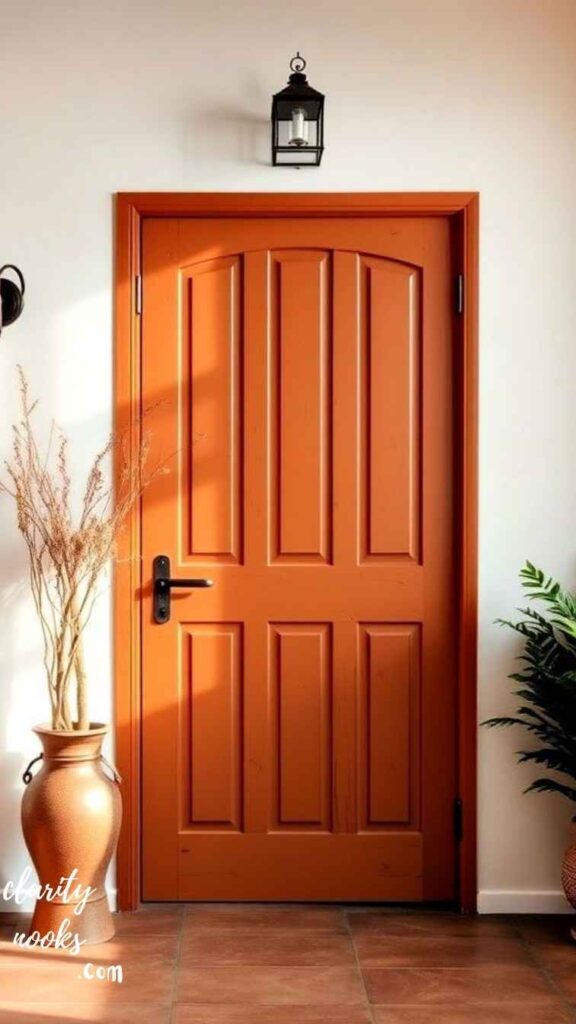
Terracotta, adobe, clay, and rust are dominating design conversations in 2026. These warm earth tones connect homes to natural materials and create a grounded, earthy aesthetic that pairs beautifully with the rattan furniture, linen textiles, and natural wood accents dominating interior design right now.
For front doors, terracotta makes an especially bold statement against light gray, white, or cream siding. Sherwin-Williams’ “Cavern Clay” and Benjamin Moore’s “Terra Cotta Tile” are two well-regarded options that maintain vibrancy in UV-heavy climates. Add a natural brass door knocker to complete the look.
Real-Life Scenario
A Phoenix homeowner with a stucco exterior painted her front door in Behr’s “Adobe Dust” terracotta. The color complemented the home’s southwestern architecture so naturally that she was asked by three neighbors for the paint code within the first month.
Satin vs. Semi-Gloss
The Finish Hack No One Talks About
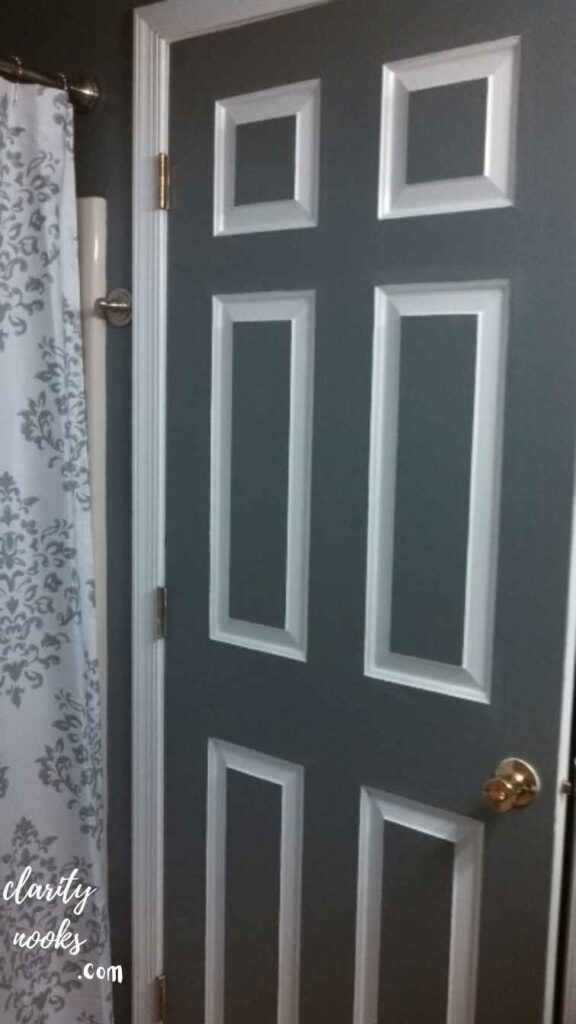
Most “expert guides” tell you to simply use semi-gloss on doors. Full stop. But the real professionals use a more nuanced approach: satin finish on the door panels and semi-gloss on the frame and molding. The slight sheen difference catches light differently on each section, creating a subtle visual depth that looks intentional and refined.
This matters more than most people realize. Semi-gloss is more durable and scrubbable, making it ideal for the frame where hands touch frequently. Satin hides surface imperfections better important on flat panels that might have old paint texture. Combining both finishes in a complementary way is a professional’s secret that costs nothing extra.
Color Drenching Your Entryway Door System
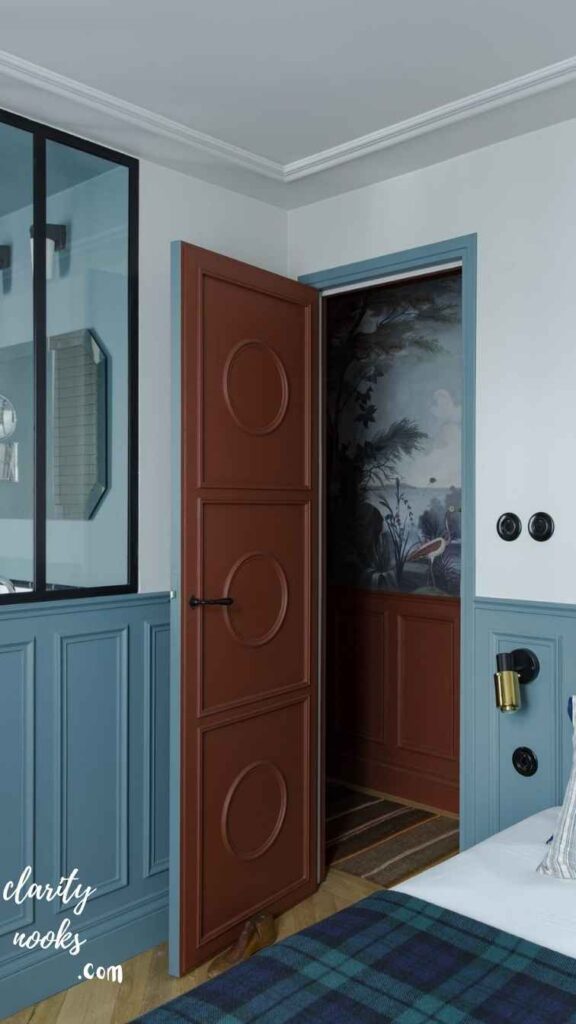
“Color drenching” means painting the door, its frame, the surrounding wall section, and even the ceiling of a small entryway all in the same color. It’s an immersive, cocooning effect that transforms a transitional space into a fully designed moment. Far from feeling overwhelming, it actually reads as calming and deliberate.
This technique works beautifully in deep, moody colors: hunter green, midnight blue, charcoal, or dusty mauve. The door literally disappears into the space, which makes the room feel larger by eliminating the visual interruption of a contrasting door. It’s the easiest way to make a small entryway feel intentional instead of cramped.
Before You Paint Anything
Prep is 70% of the result. Sand with 220-grit, clean with TSP solution, fill any holes with lightweight spackling, and always prime bare wood before your finish coat. Skipping any of these steps is the single most common reason DIY door projects look amateur when finished.
Conclusion
DIY door painting is one of the most accessible, highest-impact home improvement projects available to any homeowner or renter with permission. The ideas in this guide range from weekend-simple (bold color, black and brass) to weekend-ambitious (faux wood grain, stenciling) but all share the same foundation: proper prep, quality materials, and a willingness to be intentional about what your door says about your home.
Whether you’re updating a tired front door or transforming a series of interior doors, the result is always the same: a space that feels more considered, more personal, and more like you. Don’t overthink the color choice pick something that genuinely excites you. A door you love looking at every day is always the right choice.
Trend Analysis
2026 and Beyond
The door painting space has shifted significantly in the past 18 months. What was once dominated by classic colors and traditional finishes has expanded into a much more expressive category, driven by the rise of DIY design content, the influence of interior designers on social platforms, and a post-pandemic desire for personal expression in the home.
Biophilic Greens
Deep botanical greens forest, hunter, moss are replacing the navy blue that dominated 2022–2024. Expect this trend to peak through 2027.
Textured Finishes
Limewash, mineral, and clay-based paints are growing at 35% YoY in DIY retail. Flat and matte are losing ground to “artisan finish” categories.
AI Color Matching
Paint companies now offer AI tools that analyze your home photo and suggest complementary door colors. Adoption is accelerating among first-time homeowners.
Moody Interiors
Interior door painting (not just exteriors) grew 60% in search volume in 2025. Dark doors inside homes are now mainstream, not niche.
Looking ahead to 2027–2028, expect increased interest in performance-enhancing paint formulations specifically paints that incorporate UV-blocking technology, self-cleaning nano-coatings, and even antimicrobial properties at the residential price point. The aesthetic conversation around doors will also increasingly intersect with smart home design, as more homeowners coordinate paint colors with video doorbells, smart locks, and exterior lighting systems.
Practical Tips & Expert Insights
- The 10-minute test: Tape a large piece of white paper to your door and hold paint chips against it at different times of day. Natural light changes everything a color that reads “mocha” in the morning may read “gray” by afternoon.
- Invest in Floetrol: Adding a paint conditioner like Floetrol to your paint eliminates brush marks almost entirely. Use 4 oz per quart. This is the single most underrated tip in DIY door painting.
- Prime with tinted primer: Ask your paint store to tint your primer close to your top coat color. This reduces your finish coat count from 3 to 2 in most cases, saving both time and money.
- Remove all hardware before painting: Even experienced painters nick escutcheon plates and hinges. Remove them, paint cleanly, then reinstall. The 15-minute removal is worth hours of touch-up work.
- Cure time ≠ dry time: A door may feel dry in 2 hours but takes 30 days to fully cure. Don’t hang wreath hooks or door knockers until 30 days have passed, or you’ll pull up fresh paint.
- For dark exteriors, use a heat-dissipating formula: Dark colors absorb heat, which can warp some door materials. Brands like Sherwin-Williams offer “heat-reflective” dark formulas specifically designed for south and west-facing doors in sunny climates.
Long-Term Strategy & Sustainability
The most sustainable approach to door painting isn’t about choosing eco-friendly paint (though that matters) it’s about painting less often by doing it right the first time. A properly prepped, primed, and finished door in a quality exterior paint should last 5–8 years before needing a full repaint. Cutting corners typically means repainting in 2–3 years, which is both more expensive and more resource-intensive over time.
From a sustainability standpoint, look for zero-VOC or low-VOC formulations from brands like ECOS Paints, Clare, and Benjamin Moore’s Natura line. These have improved dramatically in durability over the past five years and are now genuinely competitive with traditional formulations not just for environmentally conscious buyers, but for anyone who wants a paint that doesn’t off-gas into the home during application and curing.
Consider your door color’s “longevity appeal” as well. Trendy colors can feel dated quickly, which pressures you to repaint sooner. Classic bold colors deep navy, forest green, terracotta, true black have cultural staying power that trendy dusty pastels or ultra-specific pantone shades often lack. Choosing a timeless bold over a seasonal micro-trend extends your paint cycle and reduces overall environmental impact.
Future Predictions & Innovations
The next frontier in door painting is smart paint technology. Several material science companies are actively developing paints that can shift color temperature based on ambient light, self-repair minor scratches through polymer chain restructuring, and integrate photovoltaic properties for energy generation in high-sun applications. While these are 3–7 years from mainstream availability at consumer price points, they signal a fundamental shift in what “painting a door” will mean.
AI’s impact on the color selection process is already significant. Tools like Sherwin-Williams’ “ColorSnap” and Benjamin Moore’s “Color Portfolio” use machine vision to analyze uploaded home photos and suggest statistically successful color pairings based on millions of design outcomes. By 2027, expect these tools to incorporate neighborhood context, HOA guidelines, and even buyer preference data from MLS listings to give genuinely data-driven recommendations.
On the DIY side, paint application is becoming more accessible through innovations in brush and roller technology. The “one-coat” formulations launching in 2025–2026 are genuinely effective for mid-tone color changes, promising to reduce the standard two-coat process for many applications. This removes the most time-consuming barrier for casual DIYers who’ve been hesitant to start.
Common Mistakes & Hidden Gaps
Mistake: Painting over dirty or oily surfaces.
Fix: Clean with a TSP substitute or degreaser, rinse thoroughly, and let dry 24 hours before sanding or priming.
Mistake: Skipping primer on raw or stripped wood.
Fix: Always use an oil-based or shellac-based primer on bare wood. Latex primers raise grain and leave a rough surface even after sanding.
Mistake: Choosing color from the chip alone.
Fix: Always sample on the actual door surface in the actual lighting condition. A $5 sample pot is non-negotiable before committing to a quart or gallon.
Mistake: Painting in wrong weather conditions.
Fix: Exterior paint requires temperatures between 50–85°F and relative humidity below 70%. Check the forecast, not just the current conditions paint needs 24–48 hours of good conditions to cure.
Mistake: Painting the door frame the same white as the siding always.
Fix: Consider painting the frame the same color as the door (color drenching) or a coordinating mid-tone. Default white frames often undercut bold door color choices.
Intermediate: Using the wrong applicator for the finish type.
Fix: High-gloss paints require foam rollers and minimal brush strokes. Dragging a brush across a high-gloss surface leaves texture. Transition to foam for the final coat at minimum.
Rameen Zara is the founder of Clarity Nooks, bringing over five years of experience in home décor and interior styling. She shares simple yet practical design ideas that suit real homes and everyday living. Her approach focuses on cozy aesthetics, soft color palettes, and natural textures that create warm, inviting spaces.