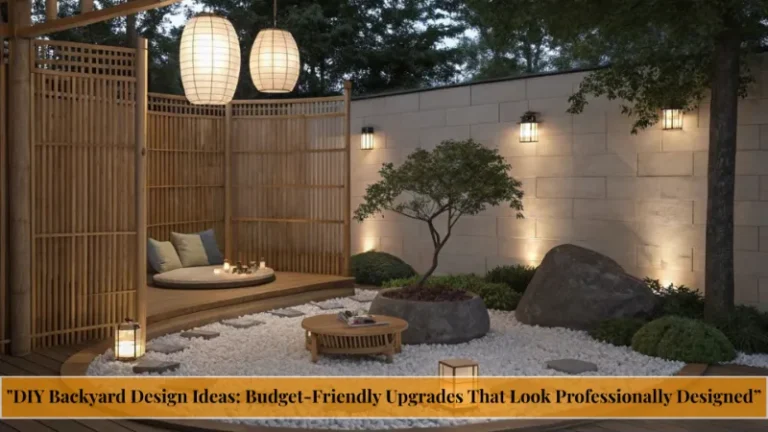
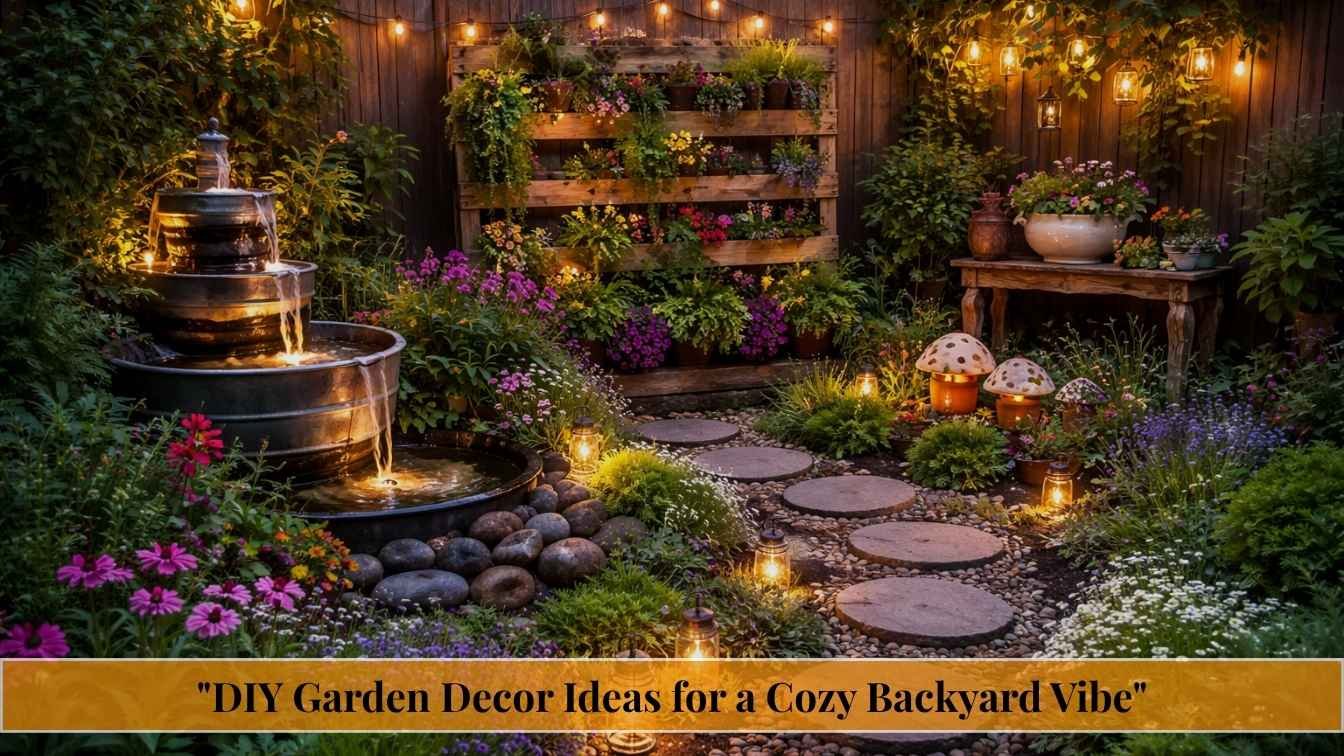
DIY Garden Decor Ideas for a Cozy Backyard Vibe

“Most outdoor spaces have the same problem: they’re functional but forgettable. You walk outside, mow the lawn, water a few plants, and head back in. The garden never becomes what it could be a genuine extension of your personality and home.“
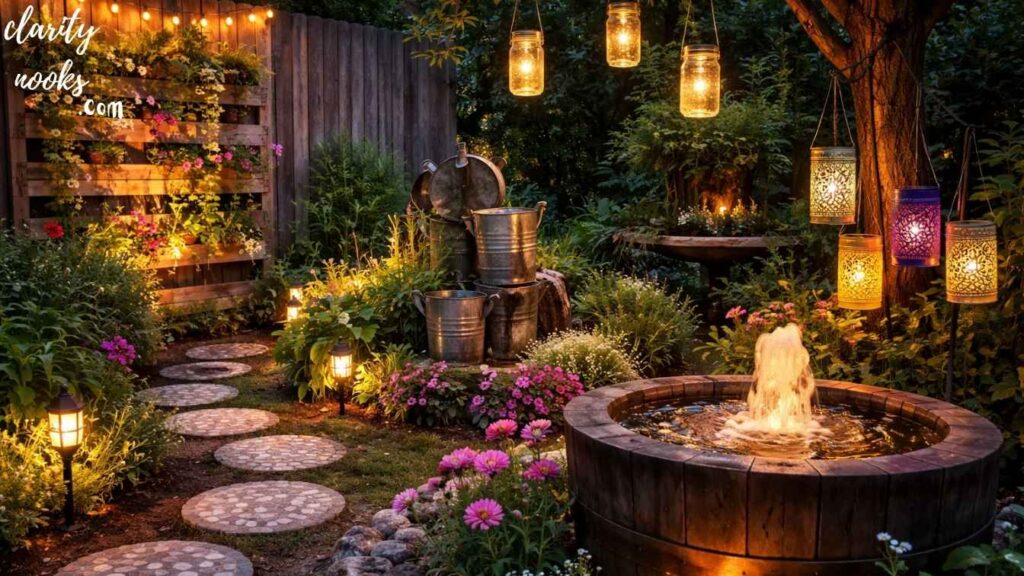
Transforming your garden doesn’t require thousands of dollars or a design degree. Some of the most stunning outdoor spaces I’ve come across were built almost entirely from repurposed materials, weekend DIY projects, and smart planting decisions. This guide walks you through seven DIY garden decor ideas that go beyond surface-level suggestions each one is actionable, budget-conscious, and grounded in real results.
What is DIY garden decor?
DIY garden decor refers to handmade or repurposed outdoor decorative elements such as painted pots, upcycled furniture, vertical gardens, garden pathways, and art installations created by homeowners to personalize and beautify their outdoor spaces without hiring professionals.
Upcycled Container Gardens:
Turning “Trash” Into Focal Points
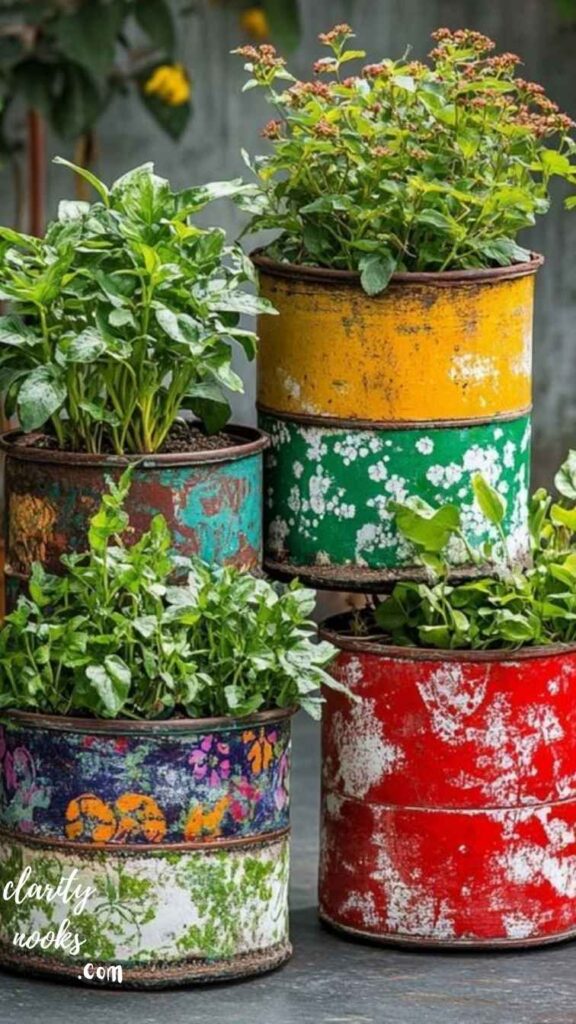
One of the most impactful and environmentally satisfying DIY garden decor ideas is the upcycled container garden. Old wooden crates, cracked terracotta urns, rusted tin pails, worn-out boots, and even broken wheelbarrows all make surprisingly beautiful planters when paired with the right plant combinations.
The key isn’t the container it’s the contrast. A bright blue colander spilling over with mint creates visual drama you simply can’t buy at a garden center. Drill drainage holes where needed, line metal containers with burlap or coco liner to extend their life, and group three to five mismatched containers at varying heights for a curated, eclectic look.
Real-Life Example
A homeowner in Lahore turned six discarded tin cans from a local dhaba into a windowsill herb garden, painting them in coordinating terracotta and ivory tones. The result was a cohesive display that also kept fresh herbs within arm’s reach of her kitchen beauty and function in one.
For long-term durability, apply outdoor sealant to wooden containers and use a rust-converting primer on metal ones before planting. This simple prep work extends the life of your containers from one season to three or more.
Must Read: DIY Bedroom Decor Ideas That Actually Transform Your Space
DIY Stepping Stone Paths:
Personalize Every Step
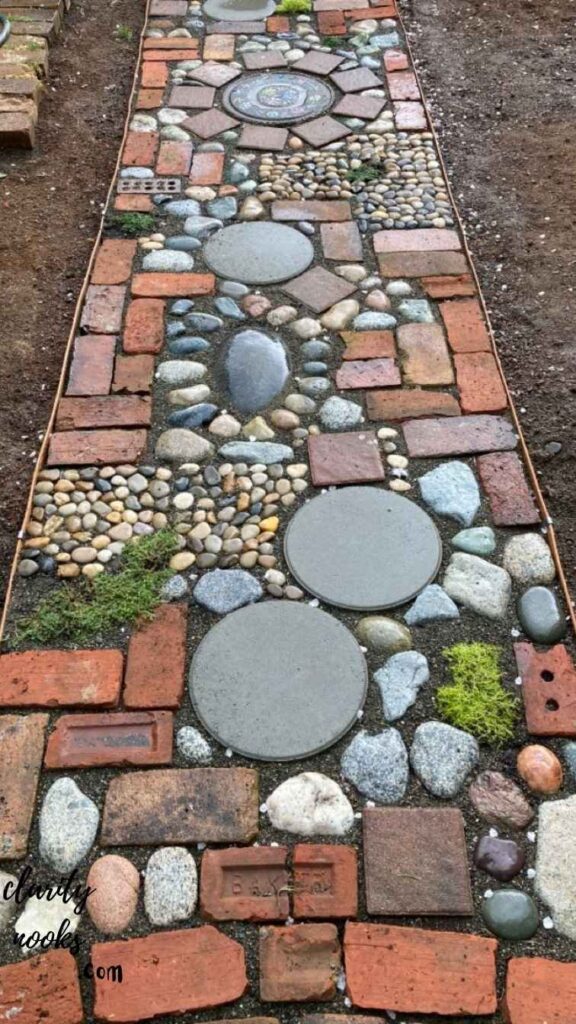
A winding garden path does something remarkable to an outdoor space it gives it structure, directs attention, and creates the feeling of a journey. Store-bought stepping stones are fine, but handcrafted ones are extraordinary. Using a basic concrete mix and simple molds (pie tins work perfectly), you can embed glass beads, leaf imprints, mosaic tiles, or even handprints to create a path that tells a story.
The process is surprisingly forgiving. Mix your concrete to a peanut-butter consistency, pour into the mold, press in your decorative elements, and allow 48–72 hours to cure before placing. Seal finished stones with an outdoor-grade concrete sealant to prevent cracking in frost-heavy climates.
Pro Technique
Lay stepping stones 12–18 inches apart the natural stride distance for most adults. This spacing keeps the path functional while leaving room for low-growing thyme or chamomile to fill the gaps with texture and fragrance.
This is also a wonderful family project. Children’s handprints pressed into concrete become irreplaceable keepsakes embedded right into your garden. Several families I know have made this an annual tradition a living record of growth.
Don’t Skip: DIY Living Room Decor Ideas That Actually Transform Your Space
Vertical Pallet Gardens:
Maximize Small Spaces
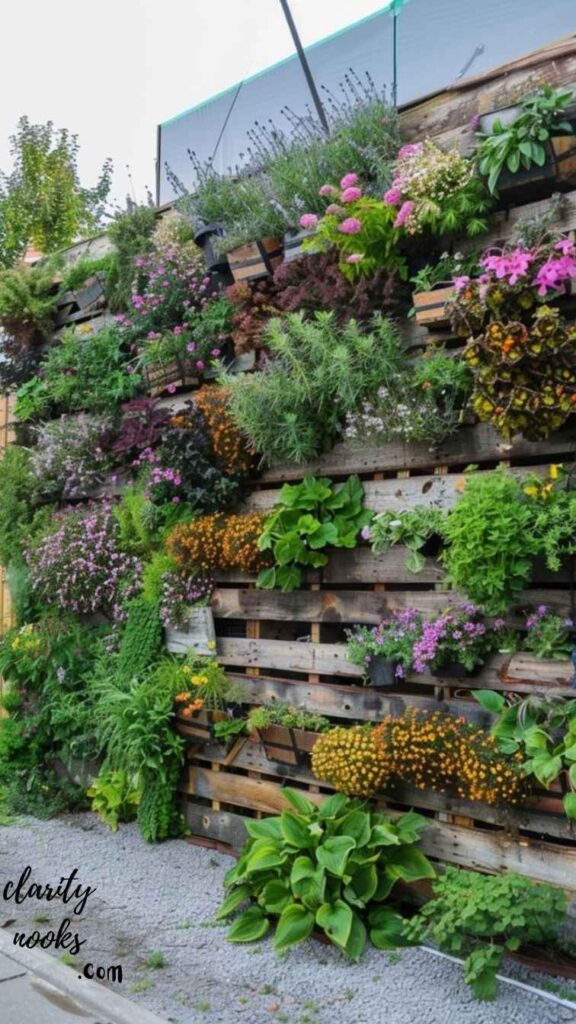
If you’re working with a small balcony, narrow side yard, or a blank fence, a vertical pallet garden is one of the highest-impact DIY garden decor ideas available. A single wooden pallet the kind used for shipping can be transformed into a lush wall garden in an afternoon, hosting herbs, succulents, strawberries, or flowering annuals.
Choose heat-treated pallets (marked HT, not MB which contains methyl bromide). Sand rough edges, apply outdoor paint or stain, staple landscape fabric to the back and sides, fill with quality potting mix, and plant directly into the slats. Lean it against a wall or fence, or mount it securely with heavy-duty brackets for a permanent installation.
Real-Life Scenario
A renter with no garden space mounted three painted pallets on her apartment balcony railing brackets. By midsummer, she had 14 varieties of herbs, trailing nasturtiums, and enough cherry tomatoes for weekly salads all without touching the ground below.
Read More: DIY Bathroom Decor Ideas That Actually Elevate Your Space
Garden Art From Salvaged Materials:
Sculptures That Tell a Story
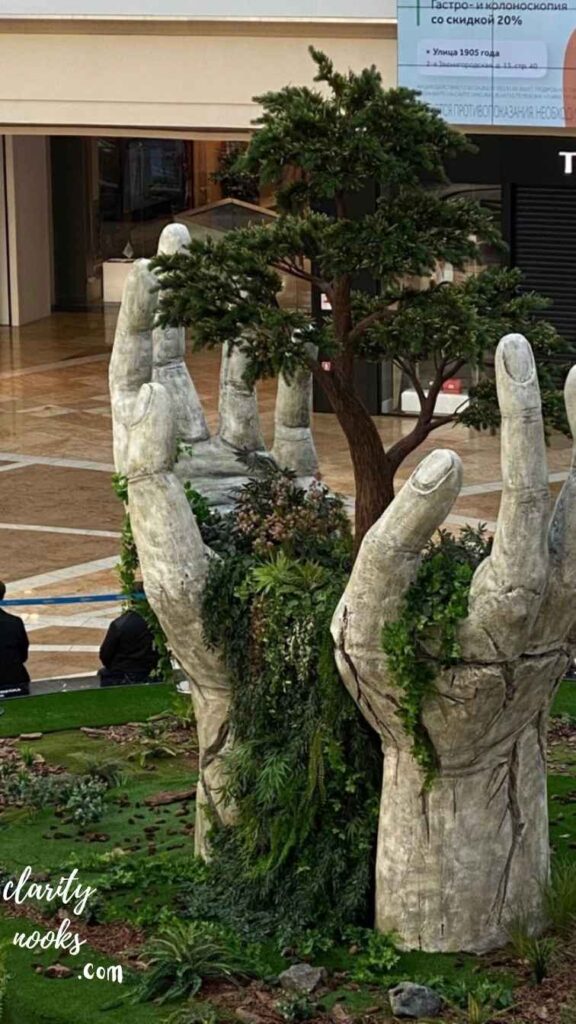
Garden art doesn’t need to be store-bought or expensive. Some of the most memorable outdoor sculptures are built from salvaged metal, driftwood, old tools, or reclaimed tiles. A rusted pitchfork planted vertically in a flower bed becomes a rustic trellis. Welded metal scraps become abstract birds. Painted wooden pallets layered at angles create geometric wall art.
The secret is consistency of material or color palette. A collection of mismatched objects tied together by a shared paint color say, matte black or weathered copper feels intentional rather than cluttered. Even a row of painted rocks with plant names turns a vegetable bed into a functional art installation.
Voice Search Optimized Answer
How do you make garden art from old tools?
Clean and sand old tools, apply rust-resistant primer, then paint or seal them. Plant them handle-down in soil as trellises or group them as sculptural displays. Seal with outdoor varnish for longevity.
Don’t Miss: DIY Kitchen Decor Ideas That Actually Transform Your Space
DIY Water Features:
The Sound of Calm
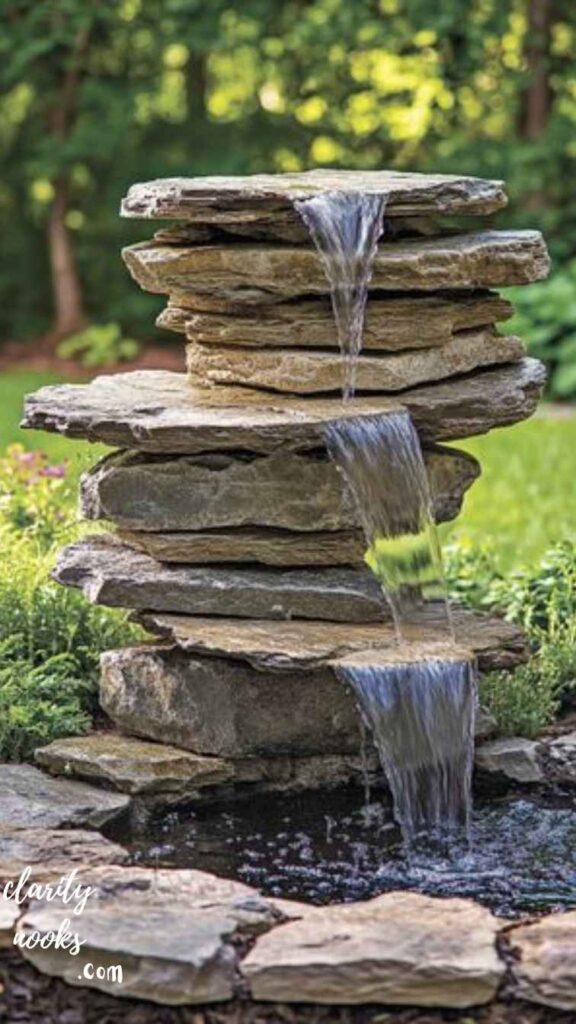
Few things transform a garden’s atmosphere quite like the sound of moving water. A DIY water feature doesn’t have to involve complex plumbing or large ponds. A buried reservoir, a submersible pump (available for under $30), and a decorative vessel a ceramic pot, stacked stones, or a vintage urn is all you need to create a recirculating fountain.
The total cost for a basic DIY fountain typically runs $40–$80, compared to $300–$1,000 for pre-assembled versions. Beyond aesthetics, moving water attracts birds and beneficial insects, naturally masks urban noise, and creates a focal point that draws the eye across your garden.
Mini Case Study
One suburban gardener in Karachi built a stacked-pot fountain from three terracotta pots of descending sizes, a $25 submersible pump, and flexible tubing total investment: Rs. 4,500. Three years later, it’s still running and has become the garden’s centerpiece conversation piece.
Hand-Painted Garden Markers and Signage:
Function Meets Personality
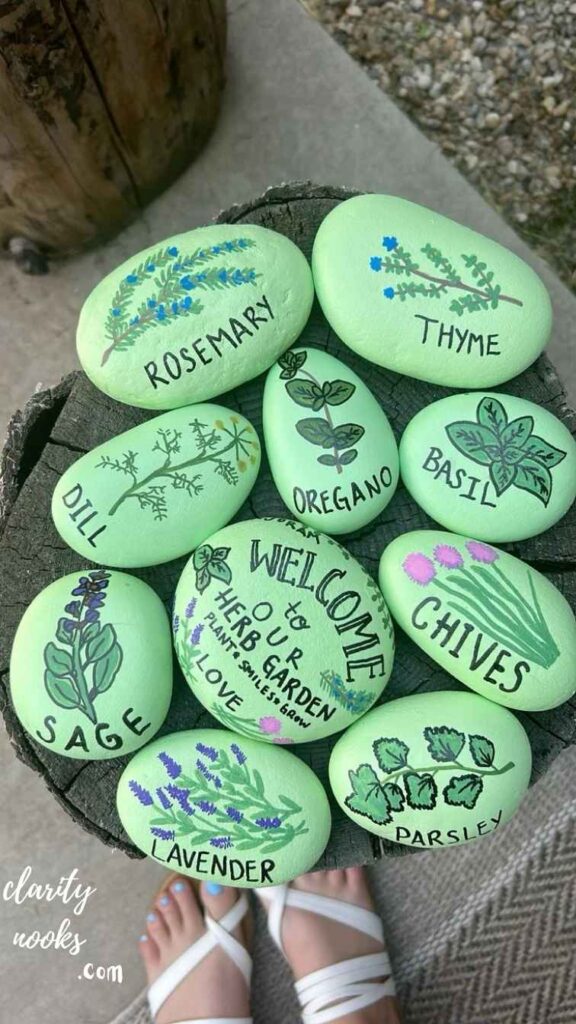
Garden signage is an underrated category of outdoor decor. Beautiful, hand-painted markers for herbs, vegetables, and flowers add character to kitchen gardens while genuinely helping you remember what’s planted where. Slate tiles, wooden slices, smooth river rocks, and painted wine corks all make excellent media for garden markers.
For durability, use oil-based paint pens or chalk pens sealed with outdoor-grade Mod Podge. More ambitious gardeners create entire signage systems a painted wooden board listing the garden zones, decorative arrows pointing to different planting areas, or whimsical name tags for beloved perennial plants. These small touches signal to every visitor that this garden was made with intention.
Consider typography when creating signage. Botanical illustration-style lettering think serif fonts with small illustrated elements looks beautiful on natural materials and photographs exceptionally well for those who like sharing their garden spaces online.
DIY Garden Lighting:
Transform Your Space After Sunset
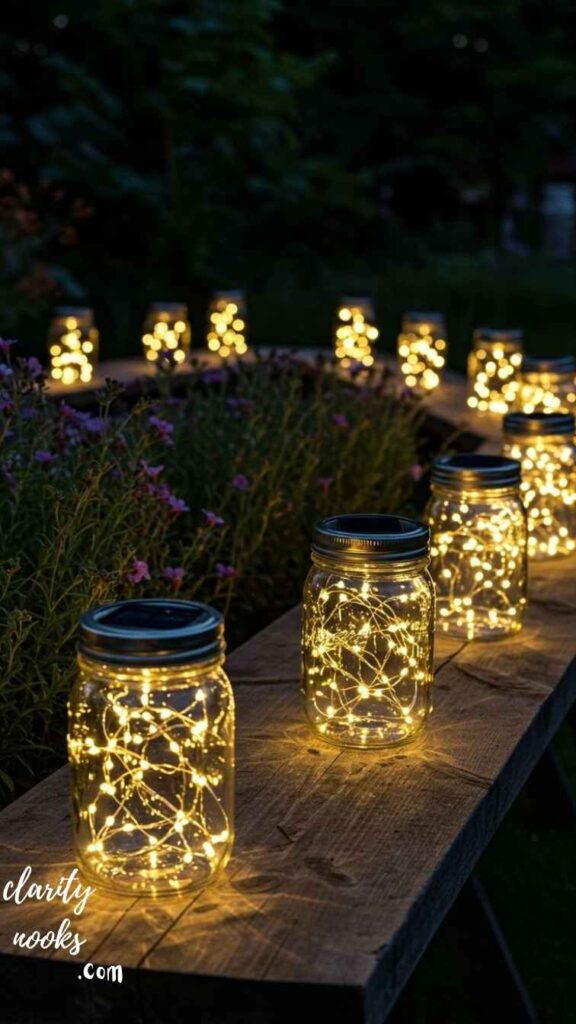
Most garden decor guides forget entirely about the after-dark experience. DIY garden lighting is one of the highest-ROI investments you can make it extends the usability of your outdoor space, creates dramatic atmosphere, and costs very little if approached creatively. Mason jar lanterns filled with solar-powered LED fairy lights, painted tin-can candle holders, and upcycled wine bottle tiki torches all create beautiful ambient light.
Solar-powered string lights strung through tree branches or along fence lines cost $15–$40 for a full run and require zero wiring knowledge. For a more dramatic effect, up-light sculptural plants or features using low-voltage spotlights buried at ground level the shadows they create double the visual impact of any plant or sculpture.
Quick Tip
Use warm white (2700K) rather than cool white LEDs in garden spaces. Warm light mimics candlelight, flatters plant colors, and creates an inviting, intimate atmosphere after dark.
Conclusion:
DIY garden decor is ultimately about making your outdoor space feel genuinely yours. The seven ideas in this guide from upcycled containers and handmade stepping stones to DIY water features and creative lighting all share the same foundation: intentionality over expense, permanence over trend, and personality over perfection.
Start with one project this weekend. Pick the idea that excites you most, gather what you already have at home, and build something that reflects how you want your garden to feel. The best outdoor spaces grow gradually, project by project and that’s precisely what makes them meaningful.
Trend Analysis
Trend Analysis: 2026 and the Next 2–3 Years
The DIY garden decor landscape is evolving quickly, driven by climate consciousness, social media, and a broader cultural shift toward slower, more intentional living at home.
Biophilic Design
Nightscaping
AI Garden Planning Tools
Upcycled Aesthetics
Edible Landscaping
Micro Water Features
Right now in 2026:
The strongest trend is the convergence of edible and ornamental gardening. Homeowners no longer want separate vegetable patches they want raised beds that look as beautiful as flowerbeds. Structural vegetables like rainbow chard, ‘Bright Lights’ Swiss chard, purple basil, and climbing beans are being used as design elements, not afterthoughts.
Looking at 2027–2028:
Expect AI-powered garden design tools to become mainstream apps that analyze your light conditions via smartphone camera, suggest plant pairings based on your aesthetic preferences, and even generate 3D visualizations of your proposed garden layout. This technology will lower the barrier for confident DIY garden design dramatically. Meanwhile, climate-adaptive gardening choosing drought-tolerant, native, and heat-resistant plants will shift from niche to mainstream as extreme weather events continue to reshape how people think about outdoor spaces.
Practical Expert Insights
Limit Your Palette
Choose 2–3 dominant colors for containers, furniture, and decor. Visual consistency creates the illusion of a designed space, not a random collection of objects.
Work in Odd Numbers
Group plants and decorative objects in threes and fives. Odd-numbered groupings are more visually dynamic and feel more naturally composed.
Vary Heights Deliberately
Layer your decor and planting at three height levels ground level, mid-level, and overhead to create depth and visual interest in even small spaces.
Design for All Seasons
Include at least one element that provides interest in every season evergreen structure, winter berries, bark texture, or all-weather sculpture.
Seal Everything
All painted, wooden, or metal DIY elements need outdoor-rated sealant. Skipping this step means rebuilding the same project every 12 months.
Design for Wildlife
Include one pollinator-friendly plant cluster near every main seating area. The movement of butterflies and bees adds a living dimension no static decor can match.
Long-Term Strategy & Sustainability
The most sustainable DIY garden decor strategy focuses on permanence over trend-chasing. Invest your time first in structural elements pathways, raised beds, permanent art installations, and established climbing plants before spending on seasonal or trendy pieces that need replacing each year.
Think in five-year cycles. A well-built pallet garden, properly sealed and maintained, will last five years. A concrete stepping stone path can last twenty. A well-positioned fruit tree becomes a structural design element for decades. These permanent features provide the backbone that makes your garden feel established rather than ad hoc.
From an environmental standpoint, the upcycled and reclaimed approach to garden decor is genuinely sustainable. Every salvaged container, repurposed piece of furniture, or reclaimed wood structure represents material diverted from landfill. This isn’t just good marketing it’s a meaningful way to reduce the environmental footprint of your gardening hobby.
Future Predictions and Innovations
Within the next three years, expect to see affordable, consumer-level 3D printing becoming a genuine option for custom garden decor. Already, designers are printing custom planters, architectural lattice screens, and decorative finials with outdoor-rated filaments. As costs drop and accessibility improves, printing a replacement terracotta pot handle or a custom garden sign will be as normal as printing a document.
AI will also reshape how we approach garden design from the planning stage. Tools that currently require professional landscape architects accurate sun mapping, soil analysis integration, plant growth simulations are being built into consumer apps. The savvy DIY gardener in 2027 will use AI for planning and their own hands for building, a combination that dramatically elevates outcomes at minimal cost.
Common Mistakes & Hidden Gaps
- Ignoring scale: The single most common mistake is using decorative elements that are too small for the space. A single 6-inch pot on a large patio disappears. Go bigger than feels comfortable garden decor almost always needs to be larger than you’d expect to read from a distance.
- No focal point: Gardens without a clear focal point feel directionless. Every outdoor space needs one dominant element a statement planter, a water feature, a large sculpture that the eye travels to first, and from which the rest of the garden radiates.
- Skipping soil prep: Intermediate gardeners who get the aesthetics right often miss the foundation: poor soil produces poor plants, and no amount of clever decor compensates for struggling vegetation. Invest in soil before spending on decoration.
- Treating the garden as complete: Great gardens evolve. A common hidden gap is the “finished” mindset adding everything at once and never revisiting. The best garden spaces are edited seasonally, with pieces swapped in and out as tastes and plants mature.
- Neglecting nighttime design: Virtually every garden guide focuses on the daylight experience. Designing your garden for how it looks and feels after dark through lighting, reflective surfaces, night-blooming plants is a meaningful competitive advantage that most DIY gardeners miss entirely.
FAQ’S About DIY Garden Decor Ideas
What are the cheapest DIY garden decor ideas?
Painted rocks, hand-lettered plant markers, upcycled tin-can planters, and solar fairy lights all cost under $10–15 and deliver significant visual impact. The key is cohesion choose one color palette and apply it consistently across inexpensive items.
How do I make DIY garden decor last longer?
Seal painted surfaces with outdoor-rated sealant or Mod Podge Outdoor. Prime metal surfaces before painting to prevent rust. Use HT-marked wood or treat untreated wood with linseed oil. Store fabric elements indoors during winter. Proper prep dramatically extends the lifespan of any DIY garden project.
Can I do DIY garden decor in a small space or balcony?
Absolutely. Small spaces benefit most from vertical garden approaches pallet gardens, hanging planters, tiered shelving, and wall-mounted containers. Focus on height rather than footprint. A single vertical pallet garden can house 20+ plants in the footprint of one standard pot.
What materials are best for DIY outdoor garden art?
Slate, concrete, treated hardwood, galvanized metal, and ceramic are the most durable materials for outdoor garden art. Avoid MDF, untreated pine, and interior-only paints they degrade quickly with sun and rain exposure.
Rameen Zara is the founder of Clarity Nooks, bringing over five years of experience in home décor and interior styling. She shares simple yet practical design ideas that suit real homes and everyday living. Her approach focuses on cozy aesthetics, soft color palettes, and natural textures that create warm, inviting spaces.