DIY Home Decor Ideas That Actually Transform Your Space

Your home doesn’t have to look like a magazine spread to feel like one. Whether you’re working with a rented apartment, a tight budget, or zero design experience the right DIY home decor ideas can take a room from bland to breathtaking. This guide gives you 12 deeply practical, creative, and cost-smart projects that real people have used to transform their spaces.
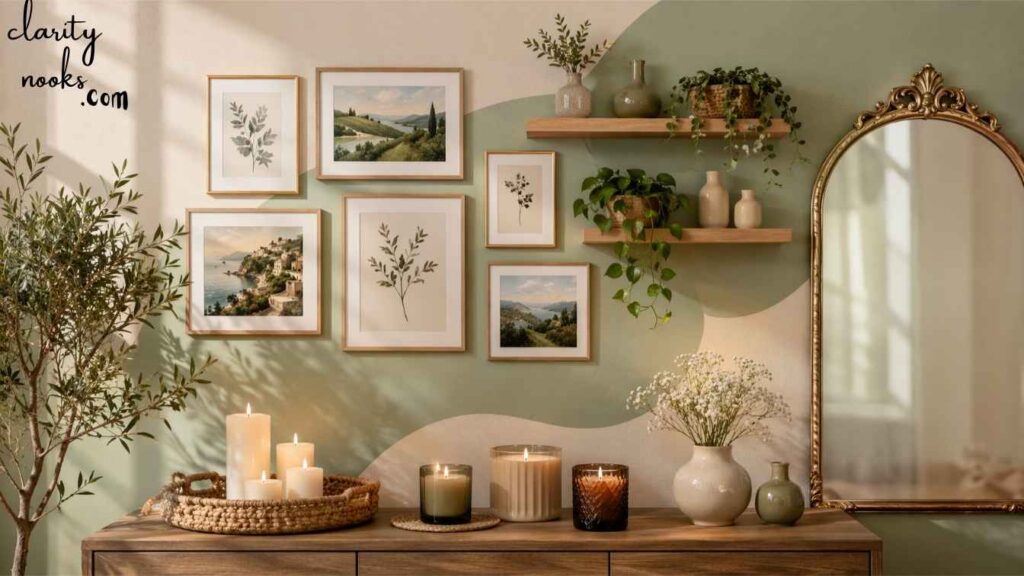
Interior design used to be gatekept by professionals and price tags. Not anymore. The rise of online tutorials, affordable craft stores, and a global community of home enthusiasts has made DIY home decor one of the most powerful and personal ways to shape how you live. The average American spends over 90% of their time indoors. That environment deserves your intentional touch.
But here’s the real problem: most “DIY decor” content online gives you a Pinterest photo and three vague steps. You end up with supplies you don’t need, a project that doesn’t look right, and no idea why. This guide is different. Every idea here includes the reasoning, the real-life results, and the honest caveats.
What is DIY home decor?
DIY (Do-It-Yourself) home decor refers to creating, customizing, or repurposing decorative elements for your home using your own hands instead of buying ready-made pieces. It combines creativity, craft skills, and budget-consciousness to achieve a personalized living environment.
Build a Gallery Wall Without a Nail Gun
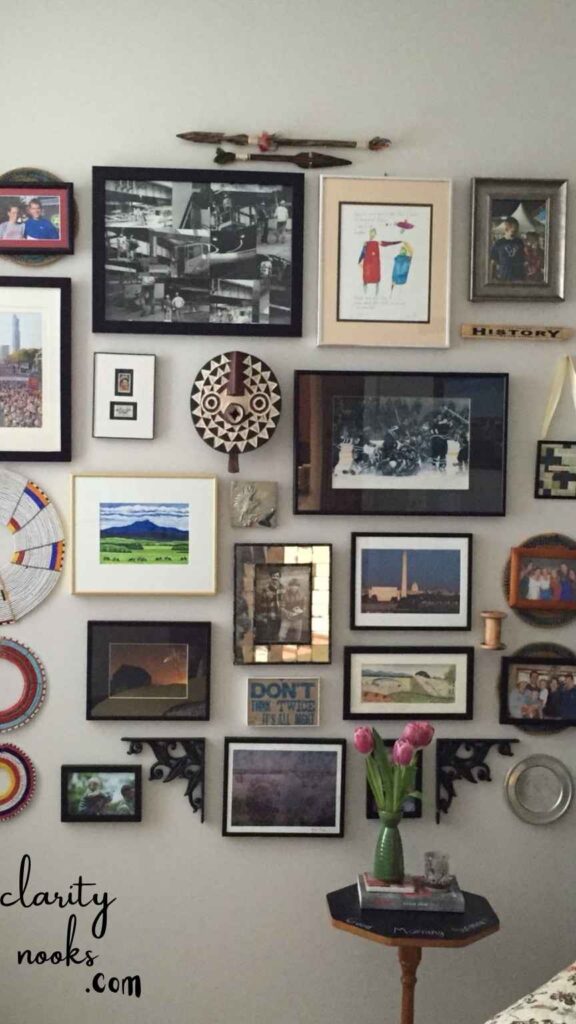
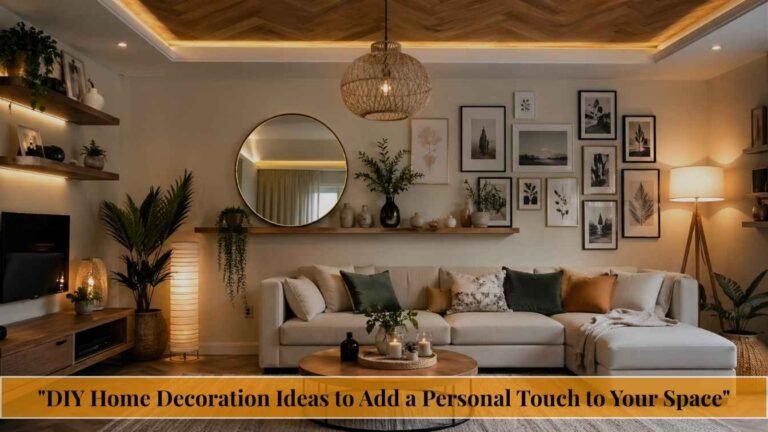
Gallery walls are one of the most searched DIY home decor ideas for good reason: they work in virtually every room, at any budget, and in any aesthetic. The common fear? Messing up the wall with dozens of misplaced nail holes. The smarter approach uses removable adhesive strips (like Command Strips) combined with a paper-template planning method.
Lay your frames on the floor first, then trace each one onto newspaper or kraft paper. Tape the paper cutouts to the wall and adjust until the layout feels right before committing a single nail. This one step separates satisfying gallery walls from regrettable ones. Mix frame sizes (one large anchor piece + smaller companions) and vary the frame finish for depth.
Real-Life Scenario:
Mira, a renter in Chicago, created a 12-frame gallery wall in her living room using Command strips and $3 thrift-store frames she spray-painted matte black. Total cost: under $40. The cohesive color (all black) made mismatched frame shapes look intentional. She’s moved it twice across two apartments without a single wall repair.
Pro tip: A “60/40 mix” works best — 60% art prints and 40% personal photos. This balances personality with visual polish.
Thrift-Store Mirror Makeovers
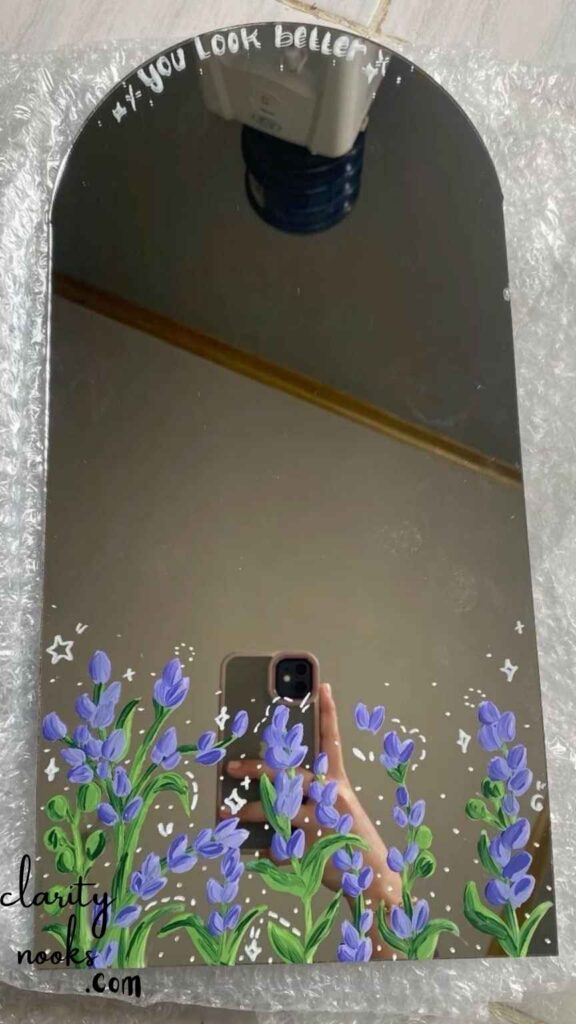
Mirrors are among the highest-leverage decor items you can DIY. They make rooms feel larger, bounce light, and add elegance. The problem is that designer mirrors can cost hundreds of dollars. The solution is hiding in your local thrift store for $5 to $20, you can find a perfectly functional mirror with an ugly frame that’s one can of spray paint away from looking custom.
Metallic spray paints (gold, bronze, or aged silver) work especially well on ornate plastic or wooden frames. Rub-n-Buff wax is another technique: apply it with your fingertip for a more artisan, layered look. For a modern feel, use flat black or chalk paint. The mirror itself never needs touching just the frame.
🖼
Ornate baroque frames
Golden spray paint makes these look like $300 antiques. Check every thrift store twice.
🟫
Plain wooden frames
Sand lightly, prime, and apply chalk paint. Distress the edges for a farmhouse vibe.
🔘
Frameless mirrors
Add a rope border with a hot glue gun for a coastal or bohemian look in 30 minutes.
Peel-and-Stick Accent Walls That Look Painted
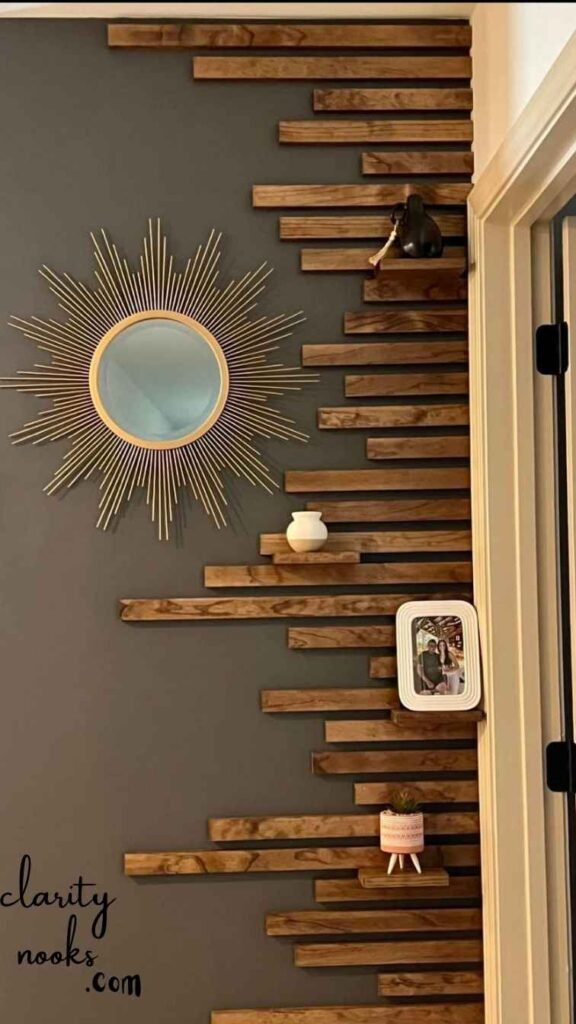
An accent wall can anchor an entire room’s identity. Traditionally, that means taping, priming, painting a weekend project that requires skill and patience. Peel-and-stick wallpaper has genuinely matured in quality: today’s versions (from brands like Chasing Paper, Tempaper, and Walls Need Love) are indistinguishable from traditional wallpaper at conversational distance and remove cleanly from painted walls.
The key to a seamless result is the application technique, not the product. Start from the ceiling, use a credit card or squeegee to smooth bubbles downward as you go, and overlap seams by ½ inch before trimming. The biggest mistake is pulling the backing off entirely before sticking instead, peel 12 inches at a time. This gives you repositionability without the mess.
Renter’s note:
Most peel-and-stick wallpapers are safe on painted walls that are at least 30 days old. Always test a corner first. Heat from a hair dryer makes removal even cleaner.
DIY Floating Shelves That Look Like Custom Millwork
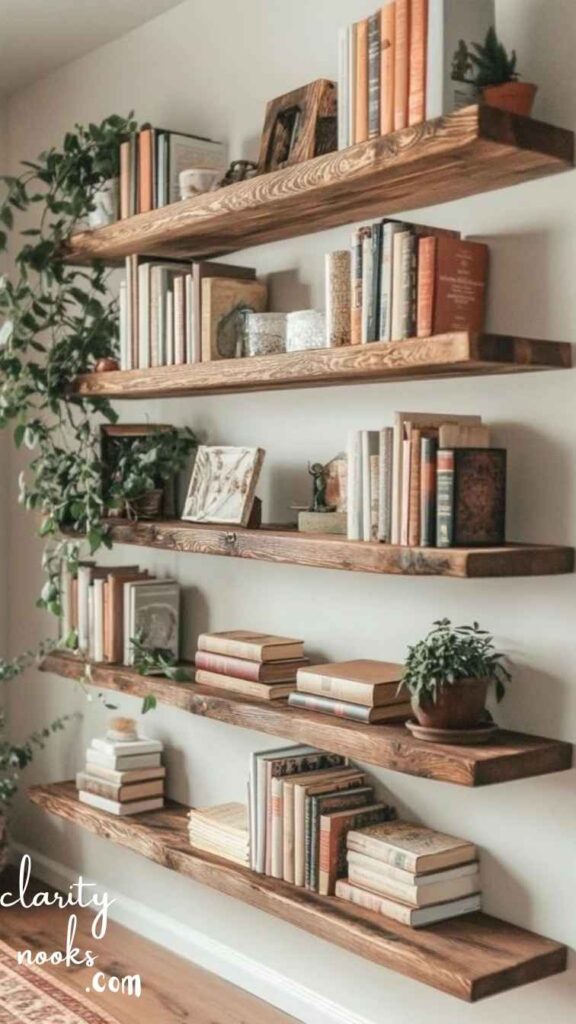
Floating shelves are one of the most searched DIY home decor ideas because they solve a universal problem: storage without bulk. The look you want is a shelf that appears to grow from the wall with no visible brackets. This is achievable with a $12 hardware bracket system hidden inside the shelf itself a “French cleat” or concealed rod system that holds up to 50 lbs per shelf.
Use untreated pine boards from a hardware store for the most affordable option. Sand to 220-grit, then apply two coats of a water-based satin polyurethane for a clean, modern finish. If you prefer warmth, a lightly stained oak finish is timeless. The trick to looking custom is consistent spacing: measure and level precisely shelves that are 1cm off look worse than walls with no shelves at all.
Mini Case Study
A Brooklyn-based interior design student built an entire home office “built-in” look using six floating shelves, a desk surface, and $80 in pine boards from Home Depot. Painted the wall and shelves the same white tone. The result photographed identically to a $4,000 custom installation proof that alignment and paint color do most of the heavy lifting.
Macramé & Fiber Art: The Craft That Won’t Quit
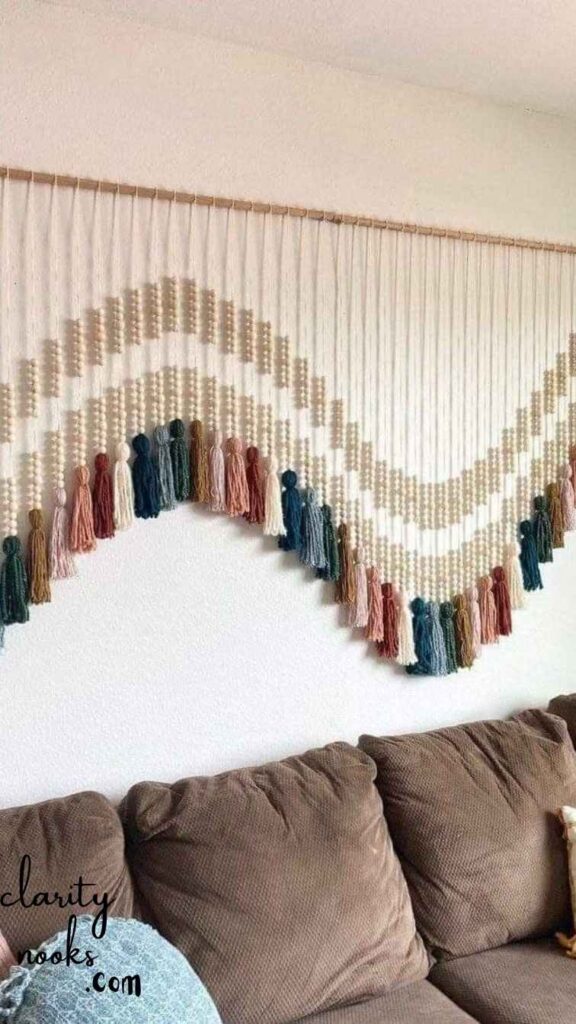
Macramé had its moment in the 70s, vanished for 30 years, and came back stronger than ever. It’s not nostalgia driving the trend it’s the fact that macramé adds texture no paint or print can replicate. A single large macramé wall hanging in a bedroom creates warmth, softness, and that “curated” feeling that makes spaces feel designed rather than furnished.
You need only two knots to start: the square knot and the lark’s head knot. A beginner wall hanging using 3mm single-strand cotton cord takes approximately 3–4 hours and costs around $25 in materials. Tutorials on YouTube (particularly channels like “Soulful Notions” or “Bochiknot”) walk through the entire process visually. For an upgraded look, add wooden beads or driftwood as the hanging rod.
Upcycled Furniture Painting
How to Do It Right
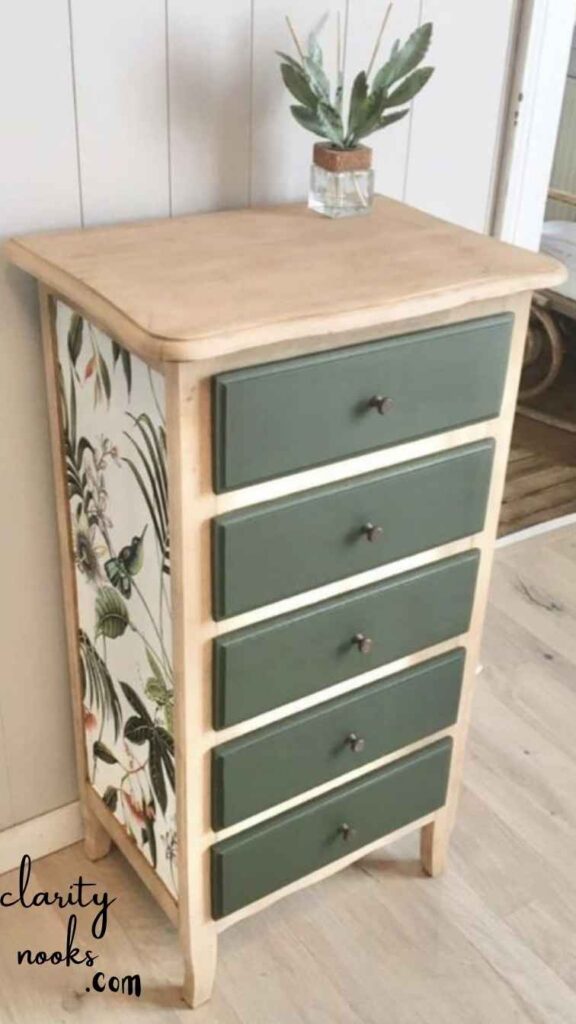
Furniture painting is the most transformative and most often botched DIY home decor project. The internet is full of before-and-after photos where the “after” still looks like someone painted furniture in a hurry. The difference between a good paint job and a great one is almost entirely prep work. Clean the piece with TSP substitute, sand it lightly, and prime with a bonding primer before a drop of color touches the surface.
Chalk paint (like Annie Sloan or its many drugstore alternatives) is the most forgiving option for beginners because it adheres to most surfaces without heavy sanding. It also lends a matte, artisan quality that suits farmhouse, cottagecore, and Scandinavian aesthetics. Top it with clear wax for a low-sheen protective finish. For a more modern look, use cabinet-grade enamel in a satin finish this requires more prep but gives a factory-smooth result.
The most valuable $10 you’ll spend:
A foam roller (not a brush) for large flat surfaces. Brush marks on a dresser drawer front are nearly impossible to sand out after the paint cures.
Indoor Plant Styling
Beyond Just “Put a Plant There”
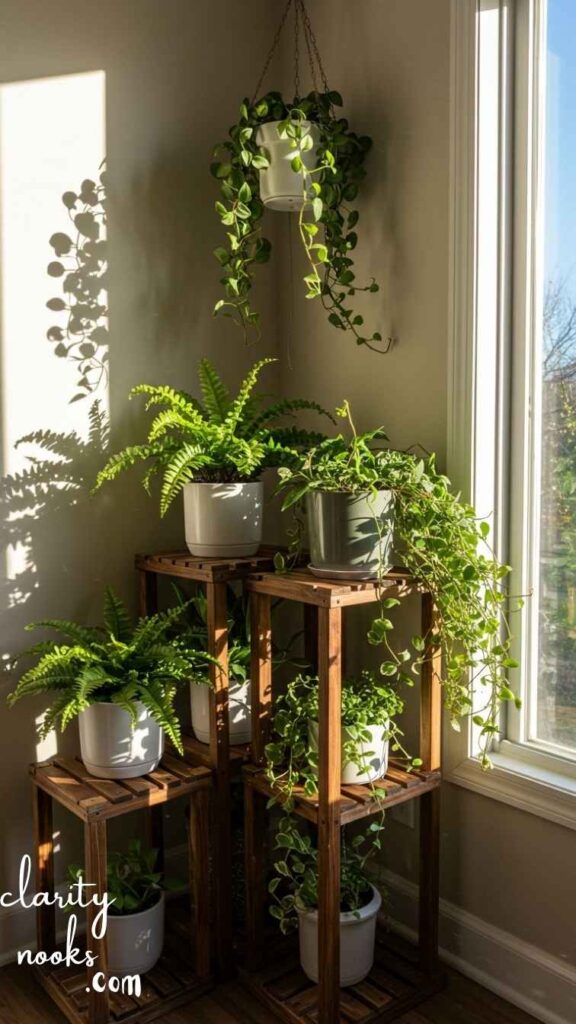
Plants are no longer just living organisms in your home they’re decor tools, air quality improvers, and psychological wellness aids. The issue is that most people place one small plant on a shelf and wonder why the room still feels lifeless. The answer is scale and grouping. A single 6-inch pothos does almost nothing visually. A 4-foot fiddle-leaf fig or a cluster of three different-height plants in one corner reads as a design moment.
The “thriller, filler, spiller” concept from container gardening applies perfectly to indoor plant styling: one tall dramatic plant (the thriller), one medium leafy plant (the filler), and one trailing plant like pothos or string of pearls (the spiller). This creates visual movement and depth. Elevate the arrangement by varying your pot materials terracotta, ceramic, and woven basket together feel collected and intentional.
What are the best plants for DIY home decor?
Fiddle-leaf figs, pothos, snake plants, monsteras, and rubber trees are all low-to-moderate maintenance and visually striking. Snake plants and pothos survive low light and irregular watering ideal for beginners.
DIY Throw Pillow Covers
Custom Look, Custom Budget
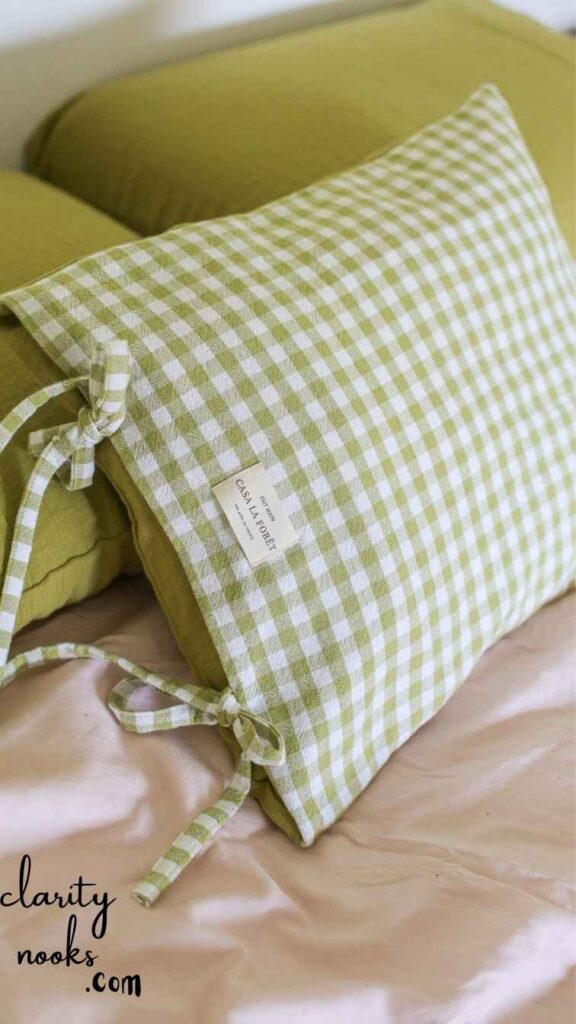
Throw pillows are among the easiest and most cost-effective ways to refresh a room’s color story. But buying new pillows every season adds up quickly. The smarter strategy is to buy inexpensive pillow inserts (IKEA sells them for $3–$6) and make or buy interchangeable covers. A 45-minute beginner sewing project using an envelope closure (no zipper needed) produces a pillow cover you can swap seasonally.
No sewing machine? Fabric glue and iron-on hem tape produce surprisingly durable results for decorative (not machine-washable) pillows. Use remnant fabric from craft stores a quarter-yard goes a long way for pillow covers and costs less than $3. Linen, velvet remnants, and printed cotton are the easiest to work with and photograph beautifully.
Ambient Lighting Upgrades
The Fastest Room Transformation
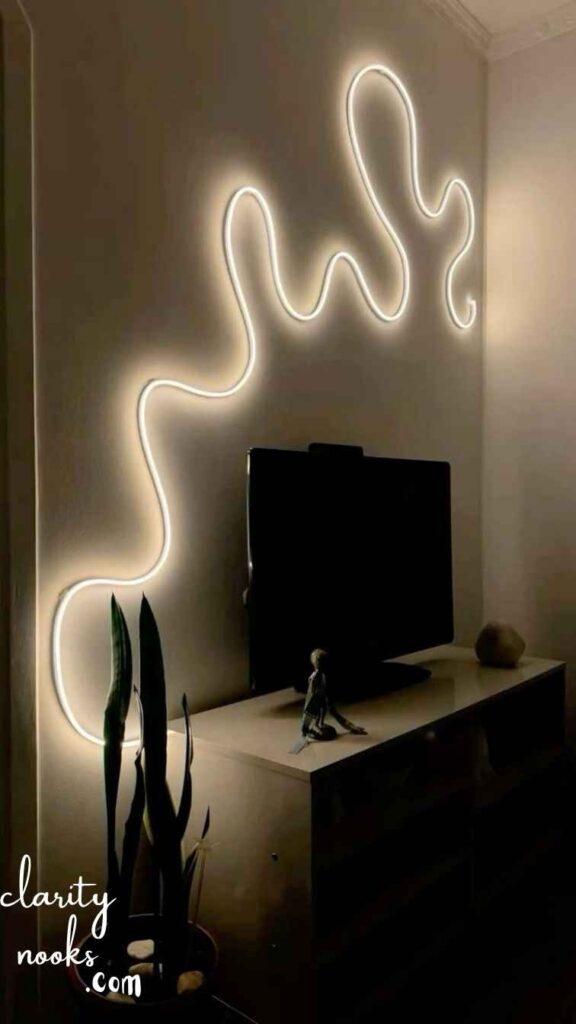
Bad lighting is the single most common reason a room “doesn’t feel right” even with beautiful furniture and decor. Overhead fluorescent or single-source lighting creates flat, clinical environments. Layered lighting combining overhead ambient, mid-height task, and low accent sources creates depth, warmth, and the illusion of a professionally designed space.
The most impactful and affordable DIY upgrade is adding warm LED Edison bulbs (2700K color temperature) in existing fixtures, then adding plug-in sconces at eye level and LED strip lighting behind a TV, under a bed frame, or under kitchen cabinets. Dimmers are the final multiplier: a $12 in-line cord dimmer from Amazon transforms any lamp into a mood-setting tool. This entire lighting upgrade can cost under $60 and changes how a room feels every hour of the day.
Real-Life Scenario
A Seattle apartment dweller with no overhead fixtures used a combination of a floor lamp with a dimmer, two plug-in sconces flanking the bed, and warm LED strips behind the headboard. Her before/after photos went viral on Reddit’s r/malelivingspace with nearly zero furniture changes. Light did all the work.
Repurposed Ladder as Décor Ladder

A vintage or new wooden ladder leaned against a wall is one of the most versatile DIY home decor props available. It functions simultaneously as a blanket rack, a display shelf for small plants, a towel holder in a bathroom, or a magazine display in a reading nook. The ladder shape creates vertical visual interest without requiring any installation or wall damage.
Old wooden ladders from antique markets or thrift stores can cost as little as $10–$20. Clean, sand lightly, and apply a quick coat of beeswax or matte sealant. If you want a cleaner aesthetic, paint it white or matte black before using. New bare-wood ladders from craft stores are also available if vintage isn’t your style. The key is leaning it with intention give it a slight angle, then style the rungs asymmetrically (heavy on one side, sparse on another).
Handmade Candle Arrangements That Smell Like a Spa

Candles are a sensory decor element they engage sight, smell, and ambiance simultaneously. DIY candle making has exploded in popularity because the materials are inexpensive, the learning curve is gentle, and the result is genuinely more sophisticated than most store-bought options. Soy wax, cotton wicks, and a few drops of essential oils are all you need for your first poured candle.
For decoration purposes, the arrangement matters as much as the candle itself. Group candles in odd numbers (3 or 5), vary the heights using small risers or books, and mix candle types (pillar, taper, and votive) for visual interest. Scent stacking placing candles with complementary notes near each other (e.g., sandalwood + vanilla + cedar) creates a layered aroma that transforms a room’s atmosphere even when unlit.
Statement Ceiling Design
The Fifth Wall Most People Ignore
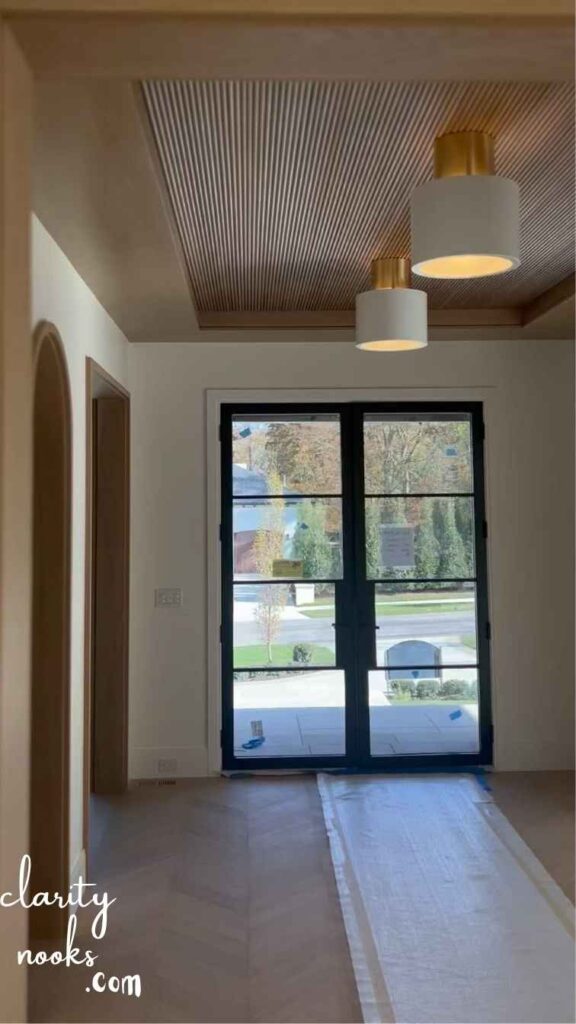
The ceiling is the most underutilized surface in home decor. Design-conscious homeowners and interior designers have started calling it “the fifth wall” and treating it accordingly. A painted ceiling (especially in a deep, moody color or a soft warm tone), removable ceiling wallpaper, or even a DIY wood plank ceiling creates dramatic impact because it’s unexpected.
The most beginner-friendly option is painting the ceiling a “color drenching” technique: paint the ceiling the same color as the walls for a cocooning, immersive effect that makes the room feel intentionally designed. Another accessible option is using geometric painter’s tape patterns in a contrasting color for a graphic, modern ceiling that costs only the price of paint and tape typically under $30.
Ceiling tip:
Flat or matte ceiling paint hides imperfections. Eggshell or satin on ceilings makes every bump and seam visible avoid it unless your ceiling is professionally skimmed.
Conclusion:
DIY home decor ideas are not just about saving money. They are about creating a home that feels truly yours. Every painted mirror, every gallery wall, every handmade pillow tells your story. You do not need expensive tools or professional skills. You just need a little patience and a willingness to start. Small changes make big differences. Pick one idea from this guide today and begin.
The best part about DIY home decor ideas is that they grow with you. Your style will evolve. Your skills will improve. And your home will keep reflecting who you are. There are no mistakes only lessons that make your next project better. So trust the process, enjoy the journey, and transform your space one creative step at a time.
Trends Analysis:
DIY Home Decor Trends: 2026 and Beyond
The DIY home decor space is evolving rapidly in response to broader cultural shifts: the cost-of-living squeeze, sustainability awareness, and the continued blending of work-from-home life into residential design. Here’s where the trends are heading.
| Trend | Status | What It Means for DIYers |
| Japandi (Japanese-Scandinavian fusion) | Hot Now | Clean lines, natural materials, muted palettes very achievable through DIY furniture refinishing |
| Biophilic design (nature-integrated interiors) | Hot Now | Plants, natural wood, stone textures, and earthy colors dominate all budget-friendly DIY territoryThrift-store sourcing and furniture painting framed as eco-conscious, not budget-driven |
| Maximalism & “curated chaos” | Rising | Permission to layer patterns, mix eras, and go bold gallery walls, eclectic shelving, bold ceilings |
| Sustainable upcycling | Rising | Thrift-store sourcing and furniture painting framed as eco-conscious, not budget-driven |
| Color drenching (tone-on-tone rooms) | Steady | Painting walls, trim, and ceiling the same color one of the lowest-effort, highest-impact DIY moves |
| AI-assisted room planning | Emerging | Tools like RoomGPT let you preview DIY changes before buying materials reducing waste and improving outcomes |
Looking ahead to 2027–2028, expect a surge in modular, renter-friendly decor systems removable, reusable, and fully customizable. As more people rent longer, the market and DIY culture will shift toward solutions that don’t require permanence.
Expert Insights
Practical Tips from People Who’ve Actually Done This
The 60-30-10 color rule:
60% dominant color (walls/large furniture), 30% secondary (rugs/curtains), 10% accent (pillows/art). Use this in every room for instant harmony.
Measure before you buy:
The single biggest DIY mistake is purchasing without measuring. A rug that’s too small makes furniture look like it’s floating.
Light before color:
Always solve lighting first. Paint colors look entirely different under warm vs. cool light what looks perfect in the store may look wrong at home.
Test paint samples on cardboard:;
Paint A4 cardboard sheets, not the wall. Move them around the room at different times of day before committing to the whole wall.
Edit before you add:
Most rooms feel cluttered, not empty. Before buying new decor, remove 30% of existing items. You’ll often prefer the edited version.
Rotate seasonally:
You don’t need new decor for each season. Simply swapping throw pillows, candles, and small plants gives a room a completely fresh feel.
Long-Term Strategy
Building a Sustainable DIY Decor Approach
The most common DIY trap is impulse decorating buying lots of items in a burst of inspiration, then living with a room that feels chaotic and unresolved. The better long-term strategy is to build your space incrementally around a defined aesthetic “brief” a written description (even just 3 adjectives) of how you want the room to feel. Warm, minimal, grounded. Eclectic, colorful, personal. Having this brief gives you a filter for every purchase decision.
From a sustainability standpoint, DIY home decor is inherently better than fast-furniture cycles. A painted thrift-store dresser that’s been refinished keeps an item out of the landfill and saves you $300–$800 over buying new. This matters: according to the EPA, furniture and furnishings represent a significant and growing portion of landfill waste. Choosing to DIY isn’t just economical it’s increasingly an ethical stance.
Build a “decor toolkit” over time: a drill, a level, an orbital sander, spray primer, and a few quality brushes will handle 90% of all the projects in this guide. A one-time investment of $150–$200 in quality tools pays itself back on the first project that would otherwise cost twice as much to outsource.
Future Predictions
Where DIY Home Decor Is Heading
Artificial intelligence is entering the home decor workflow in ways that genuinely help DIYers. Tools like RoomGPT, Planner 5D, and AI features within Pinterest’s Lens allow you to upload a photo of your room and see realistic previews of color changes, furniture arrangements, or new decor elements. By 2027, expect these tools to suggest specific DIY projects based on your existing room photo essentially an AI interior design assistant that meets you at your actual skill and budget level.
3D printing is another frontier: custom home decor objects (drawer handles, wall hooks, decorative knobs, lamp bases) are now printable at home or through services like Shapeways for a few dollars. This opens up truly custom hardware and decor at a fraction of traditional costs. For DIY enthusiasts, this means your creativity is the limit not what’s in stock at a hardware store.
Smart home integration is also influencing DIY decor particularly lighting. Addressable LED strips and smart bulbs, once the domain of tech-savvy homeowners, are now beginner-friendly and constitute a major DIY decor subcategory. Expect voice-controlled, scene-based lighting to become standard in DIY home upgrades over the next three years.
Common Mistakes
Mistakes That Ruin Good DIY Projects
- Skipping primer: Every furniture painting failure can be traced back to no primer. Primer creates adhesion without it, your paint chips within weeks. Use a bonding primer on any surface that’s been previously finished.
- Buying the wrong rug size: In a living room, the rug should be large enough for all main furniture legs to sit on it (or at least the front two legs). A rug that’s too small is the most common and visually disruptive mistake in home decor.
- Hanging art too high: The center of any artwork should sit at eye level approximately 57–60 inches from the floor. Art hung near the ceiling looks disconnected from the furniture below it.
- Overloading a room: Adding more decor rarely solves “something feels off.” Usually the issue is inconsistent scale, conflicting styles, or poor lighting. Edit, don’t add.
- Ignoring the ceiling: Stark white ceilings in rooms with bold or warm walls create a visual disconnect. Even a slightly warmer white (OC-17, White Dove, or Chantilly Lace) on the ceiling transforms the overall feel of a room.
- Buying decor before paint: Paint is the background. It should be selected last after you know your furniture, rug, and major decor pieces. Most people do this backwards and regret it.
- Treating all walls equally: Not every wall needs to be decorated. Breathing room a single, intentional empty wall makes a room feel curated rather than cluttered.
FAQ’S About DIY Home Decor Ideas
How do I start DIY home decor with no experience?
Start with the lowest-risk projects: rearranging furniture (free), adding plants ($10–$20), and swapping throw pillows. Build skills through thrift-store mirror makeovers and small paint projects before tackling larger installations. Every expert started with a bad coat of paint.
What’s the most impactful DIY home decor change for under $50?
Lighting. Swap all bulbs to warm LED (2700K), add one plug-in lamp to a dark corner, and use a dimmer. This single change affects how every other element in the room looks and feels.
Can renters do DIY home decor without losing their deposit?
Yes. Command strips, peel-and-stick wallpaper, furniture arrangements, removable LED strip lights, and freestanding decor (ladders, plants, rugs) all leave zero permanent marks. Always test adhesive products on a hidden corner first.
What tools do I need to start DIY home decor?
A drill, a stud finder, a level, painter’s tape, a good brush set, and spray primer are the core toolkit. These seven items handle the vast majority of home decor projects and can be acquired for around $100–$150 total.
How do I make my DIY decor look professional?
Three things separate amateur from professional results: preparation (clean surfaces, proper primers), patience (letting layers dry fully), and consistency (using a unified color palette and scale across the room). Slow down, and your work speeds up its quality.
Rameen Zara is the founder of Clarity Nooks, bringing over five years of experience in home décor and interior styling. She shares simple yet practical design ideas that suit real homes and everyday living. Her approach focuses on cozy aesthetics, soft color palettes, and natural textures that create warm, inviting spaces.