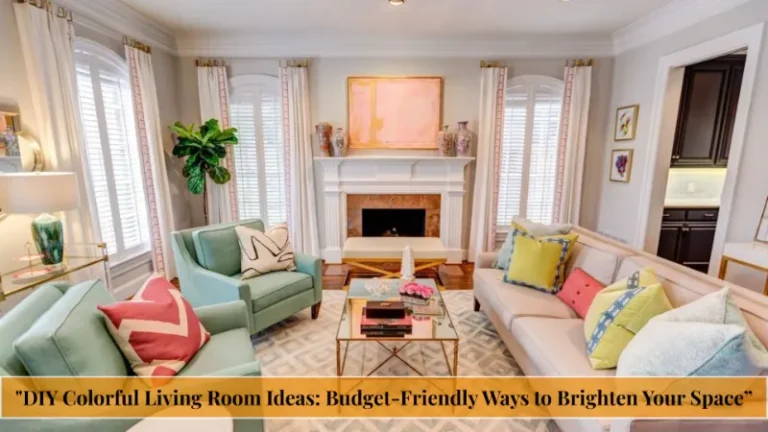
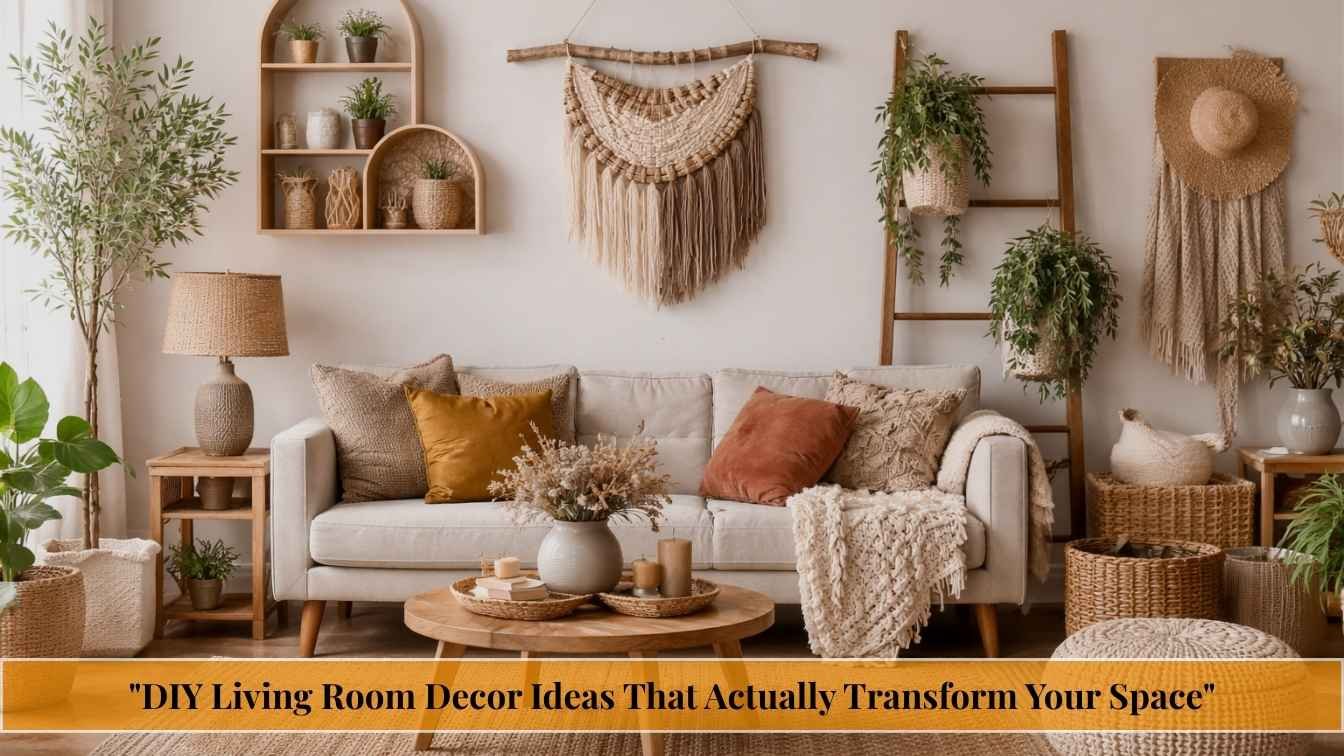
DIY Living Room Decor Ideas That Actually Transform Your Space

Your living room doesn’t have to feel like a showroom rental. With the right ideas and honest guidance you can build a space that feels unmistakably yours, without blowing your budget.
$0–$50
Most ideas cost
68%
Of homeowners DIY decor
12
Proven ideas inside
There’s a quiet frustration that anyone who’s rented an apartment or moved into a new home knows well: you’re surrounded by four walls that feel like they belong to someone else. The furniture is fine. The light is okay. But nothing feels yours. Interior design magazines show you aspirational spaces, and budget guides offer vague advice like “add texture” or “layer your lighting” without ever telling you exactly how.
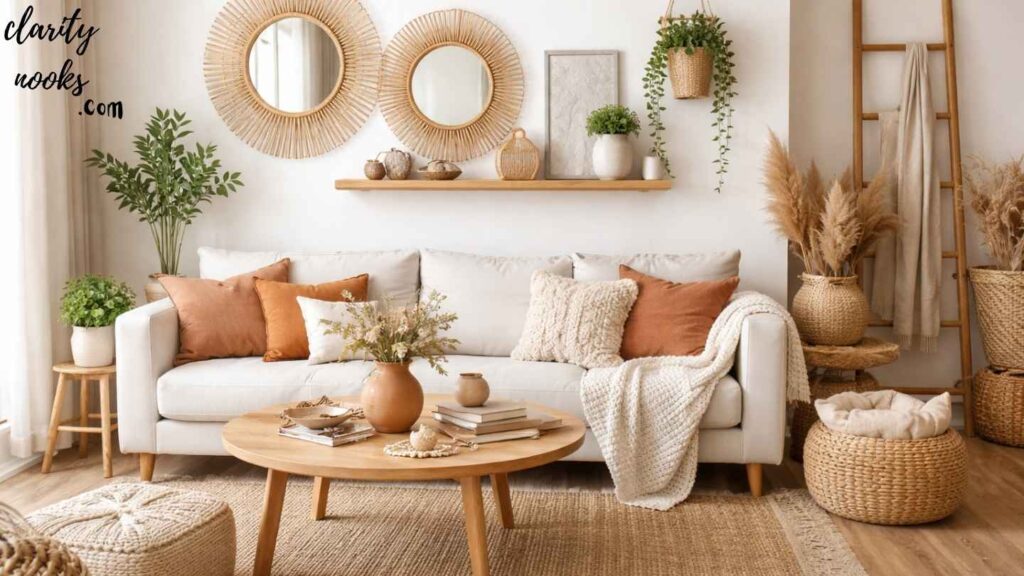
This guide is different. Every idea here is tested, specific, and genuinely achievable on a real budget. Whether you’re working with a 200-square-foot studio or a spacious open-plan living area, these DIY living room decor ideas will give you a starting point and the confidence to finish.
Why DIY Living Room Decor Works Better Than You Think
The biggest myth in home decorating is that good design requires a professional or a massive budget. In reality, the most impactful changes in a living room lighting, texture, focal points, color are things you can control yourself. The difference between a flat, forgettable room and one that feels warm and curated usually comes down to a handful of intentional decisions.
DIY also gives you something store-bought decor can’t: specificity. A gallery wall you build yourself reflects the actual moments of your life. A coffee table tray you style yourself fits your exact table dimensions. And because you did it, you’ll maintain it rather than letting it fade into background noise over time.
Build a Gallery Wall That Tells a Story

A gallery wall is the single highest-impact change you can make to a living room and it costs almost nothing if you print and frame your own photos. The secret most guides skip: start with a central anchor (usually the largest piece), then build outward. Keep frames within 1–2 inches of each other for a cohesive look, and vary orientations (portrait, landscape, square) to create visual rhythm.
Real-life scenario: Sarah, a renter in Chicago, printed 11×14 black-and-white travel photos at her local print shop for $4 each and bought mismatched thrift-store frames she spray-painted matte black. Total cost: $38. The result looked like something from an Anthropologie catalog. Lay your arrangement out on the floor first photograph it from above then transfer it to the wall one frame at a time.
Readers Favorite post: DIY Home Decor Ideas That Actually Transform Your Space
Restyle Your Coffee Table Like a Pro
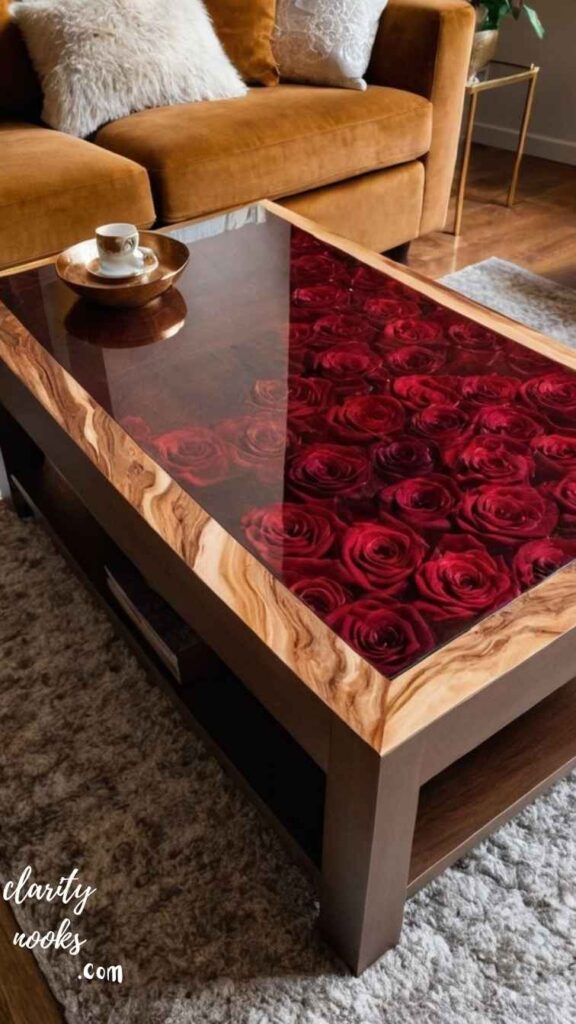
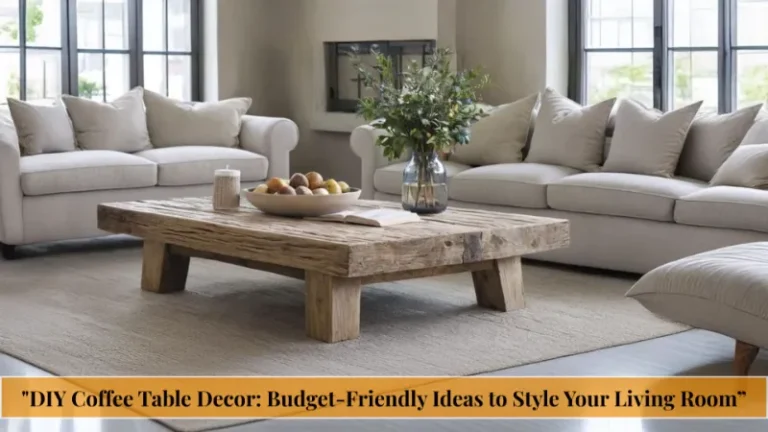
Coffee table styling is one of the most underrated DIY decor skills. The formula is simple: one tall element (a plant, a stack of books, a sculptural object), one medium element (a tray, a candle, a small vase), and one low element (a coaster set, a small figurine, a crystal). The tray does double duty it contains the arrangement and makes it easy to clear when you need table space.
The mistake most people make is choosing items that are too similar in height. Variation in height is what creates depth and visual interest. Use a brass tray from a thrift store, a succulent in a terracotta pot, and a linen-bound book you love. This entire setup can cost under $20 if you thrift strategically.
Featured Snippet
What is the cheapest way to decorate a living room? Rearrange furniture, add throw pillows in a new texture, hang a gallery wall with printed photos, and style your coffee table with items you already own. These four changes cost $0–$30 and make the biggest visual impact.
Don’t Miss: DIY Bathroom Decor Ideas That Actually Elevate Your Space
Layer Your Lighting Don’t Rely on Overhead Fixtures
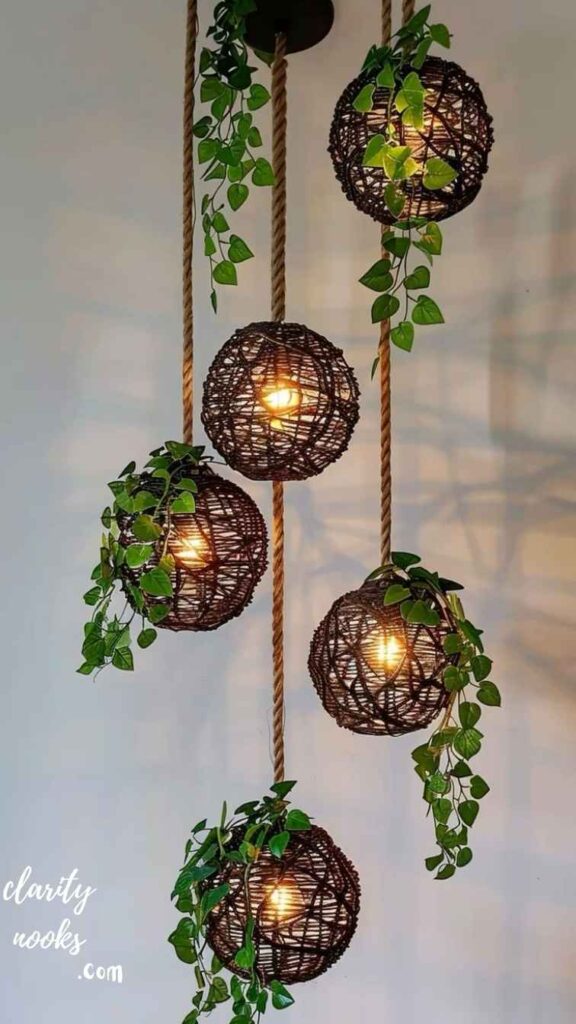
If your living room relies on a single overhead light, that’s the first thing to fix. Overhead lighting is flat and harsh it illuminates everything equally, which means nothing stands out. Layer three types: ambient (floor lamps, table lamps), accent (a plug-in sconce, LED strip behind your TV or shelving), and task (a reading lamp by the sofa). This creates warmth and depth that no furniture arrangement can replicate.
Plug-in sconces are a game-changer for renters no electrician needed, no holes required beyond a single picture hook. IKEA, Amazon, and Target all carry affordable options under $40. Pair warm-toned bulbs (2700K–3000K) throughout for a cohesive glow. Avoid the blue-white light of 5000K+ bulbs they make even beautiful rooms feel clinical.
Must Read: DIY Kitchen Decor Ideas That Actually Transform Your Space
Create a Statement Wall With Paint (Without Commitment)
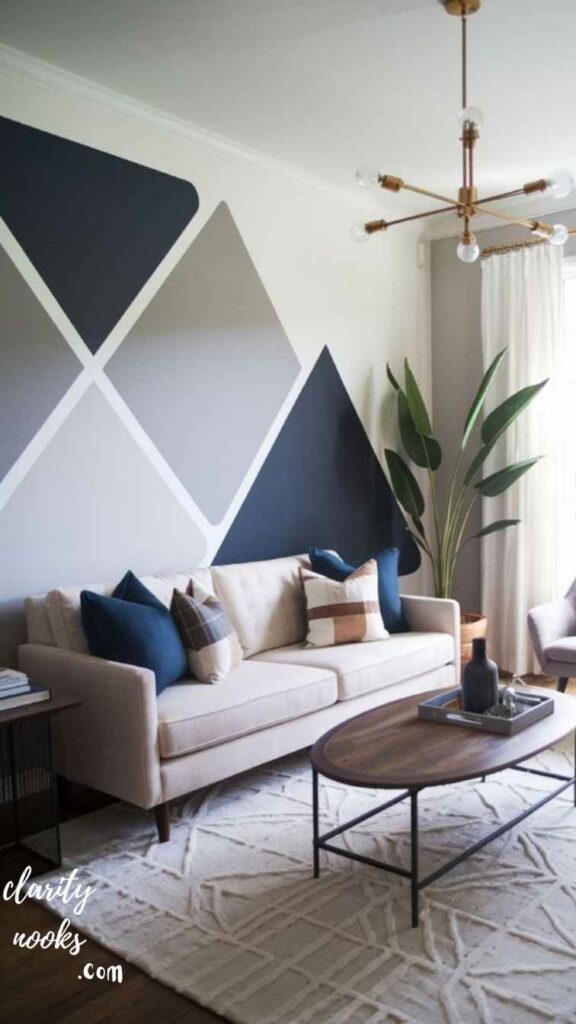
You don’t have to paint an entire room to transform it. A single accent wall or even a painted arch or color block changes the entire perception of the space. Arched painted frames around sofas or windows are one of the most viral DIY trends of the past two years, and for good reason: they’re reversible, inexpensive, and architecturally striking.
Use painter’s tape and a 4-inch foam roller to create crisp lines. For arches, cut a large cardboard template first. A single quart of paint costs $12–$18 and is more than enough for one accent wall. Earth tones terracotta, sage, deep teal, warm sand are consistently popular because they work with most existing furniture colors.
Add a Large Area Rug (Even If You Think You Can’t Afford One)
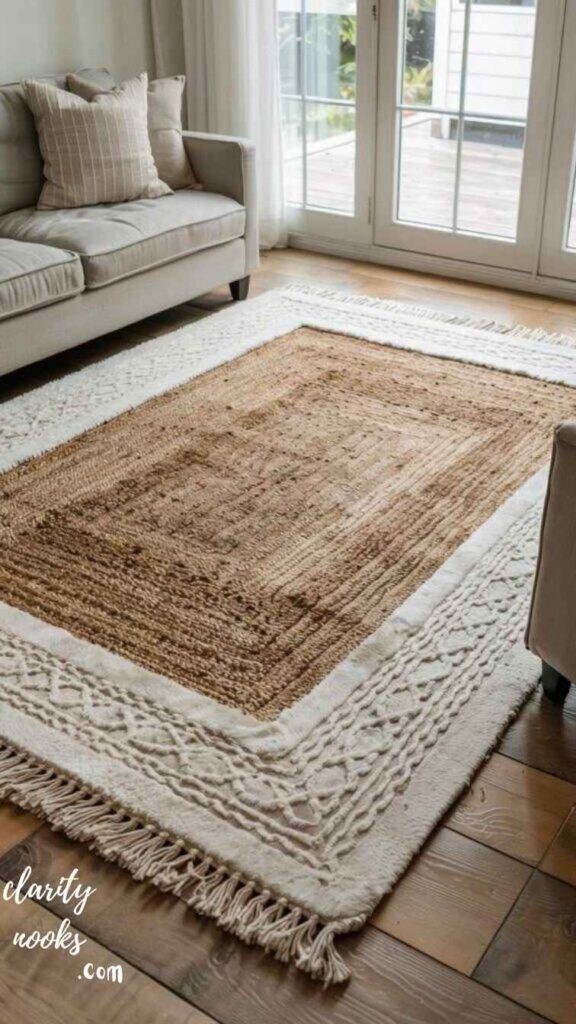
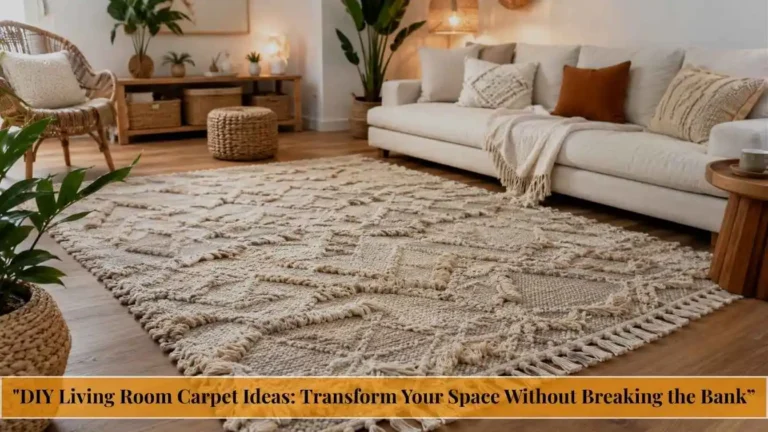
Nothing defines and anchors a living room like a rug and the most common mistake is buying one that’s too small. In a typical living room, all front legs of the sofa and chairs should sit on the rug, or all legs should be on it. A rug that floats in the middle of the room with furniture surrounding it is the most frequent design error in real homes.
For budget options, IKEA’s flatwoven rugs, Ruggable (washable options), and Amazon’s Unique Loom collection offer 8×10 and 9×12 options under $150. If a new rug isn’t in the budget, layer a smaller one over a neutral larger one a trend that’s both practical and visually interesting.
Build Custom Open Shelving (Without Power Tools)
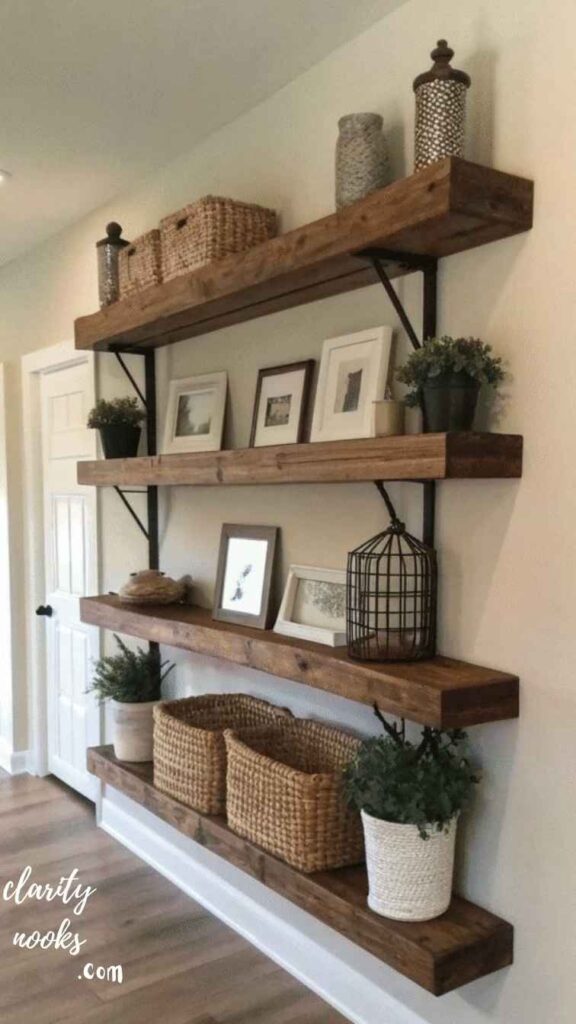
Open shelving above a media console or fireplace creates storage, display space, and a design focal point all at once. You don’t need a carpenter. Floating shelf brackets from IKEA’s LACK or BERGSHULT systems can be installed with basic hardware in an afternoon. Style with a mix of books, plants, objects, and negative space never fill every inch.
The rule of thirds applies here: divide each shelf into three sections mentally, and let one section breathe. Mix heights, textures, and materials a ceramic vase next to a paperback next to a trailing pothos. That contrast is what makes shelves look styled rather than stored.
Use Mirrors to Add Depth and Light
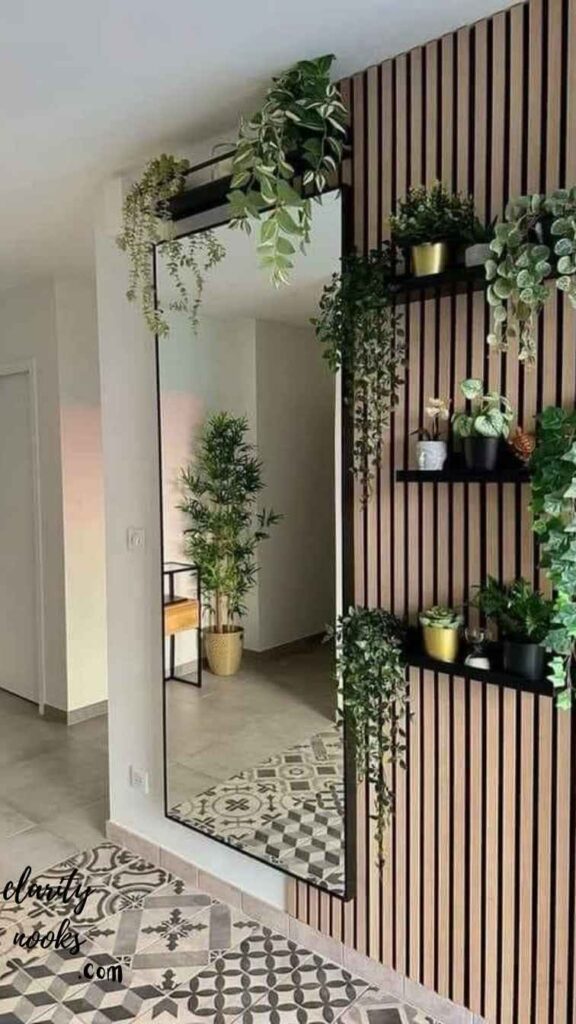
Mirrors are one of the oldest design tricks because they genuinely work. A large mirror leaned against the wall rather than hung makes a room feel immediately larger and brighter by bouncing natural light across the space. Position it across from a window, not across from a wall, to maximize the effect.
An arched floor mirror (the kind that leans) can be found at TJ Maxx, HomeGoods, and World Market for $80–$150, or on Facebook Marketplace for under $30. It requires no installation, reads as a decor object in its own right, and works in virtually every style from minimalist to maximalist.
Introduce Plants (Even If You Kill Everything)
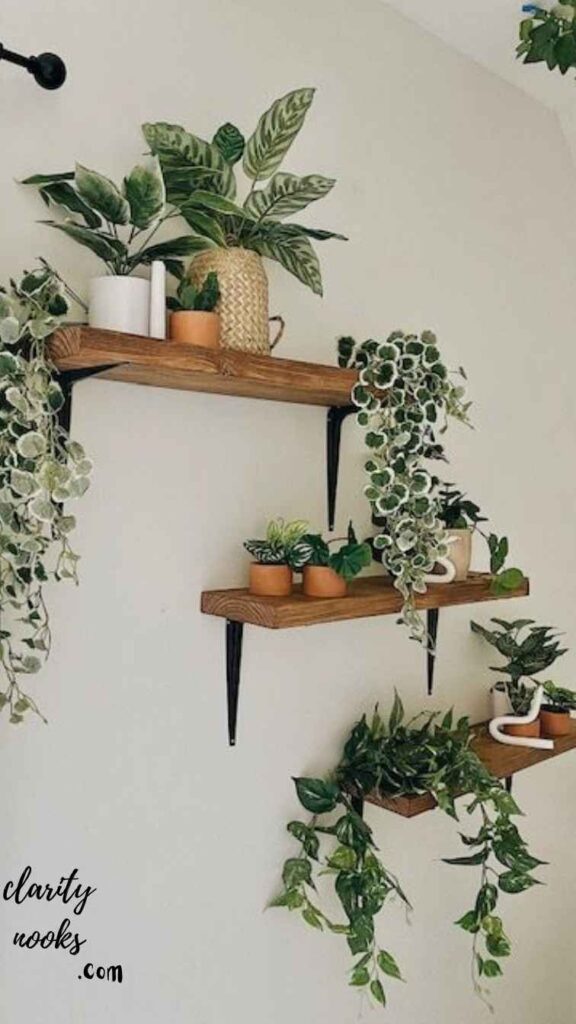
Living plants change the energy of a room in a way no faux plant ever fully replicates. The key is matching the plant to your actual conditions not to the aesthetic you want. A fiddle-leaf fig looks incredible but dies in low light. Pothos, ZZ plants, snake plants, and Chinese evergreens tolerate neglect, low light, and inconsistent watering. Start with one of these.
For impact without effort: a large fiddle-leaf in a corner (if you have bright indirect light), a trailing pothos on a high shelf, or a cluster of three terracotta pots with different succulents on a windowsill. Plants add organic texture, color, and movement that manufactured decor simply can’t provide.
Rearrange Furniture to Improve Conversation Flow
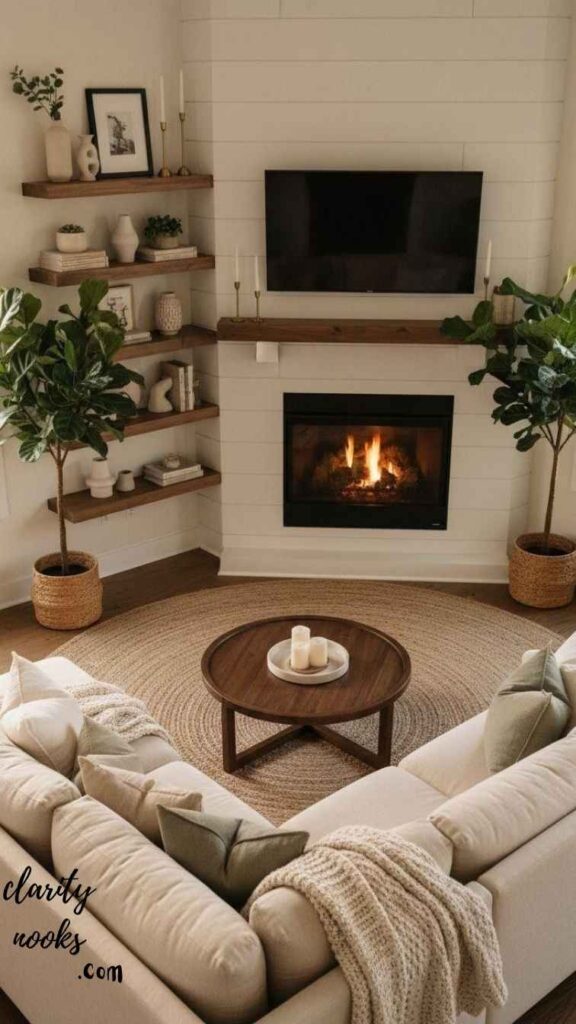
Most people arrange living room furniture against the walls it feels logical but often creates an awkward, disconnected space where people are too far apart to comfortably talk. Float your sofa away from the wall, even by 6 inches. Create a conversation area where seating faces each other at an angle, with the coffee table as the centerpiece. This makes the room feel more intentional and intimate.
This idea costs $0. It takes 20 minutes. And it is the single most transformative thing you can do to a living room without spending a dollar. Measure your space first, sketch it out on paper (or use the free IKEA Room Planner), and try three arrangements before committing to one.
Upgrade Throw Pillows and Blankets Seasonally
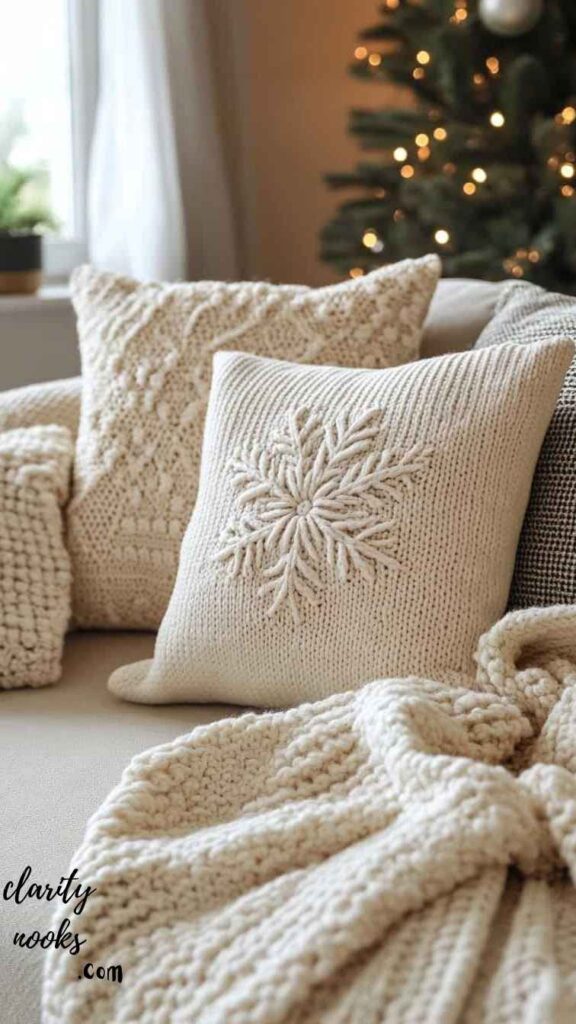
Throw pillows are the easiest lever in a living room. Changing two or three pillows can shift a room from “summer” to “fall cozy” in ten minutes. The key: use an odd number of pillows (3 or 5 on a sofa feels more natural than 4 or 6), mix patterns at different scales (a large floral with a small geometric, for example), and always include one lumbar pillow for structure.
You don’t need new inserts just buy new covers. Etsy, Zara Home, and H&M Home offer exceptional pillow covers for $15–$30. A chunky knit throw draped casually over one arm of the sofa adds texture and warmth without looking staged. Don’t fold it perfectly let it look lived-in.
Frame Fabric or Wallpaper as Wall Art
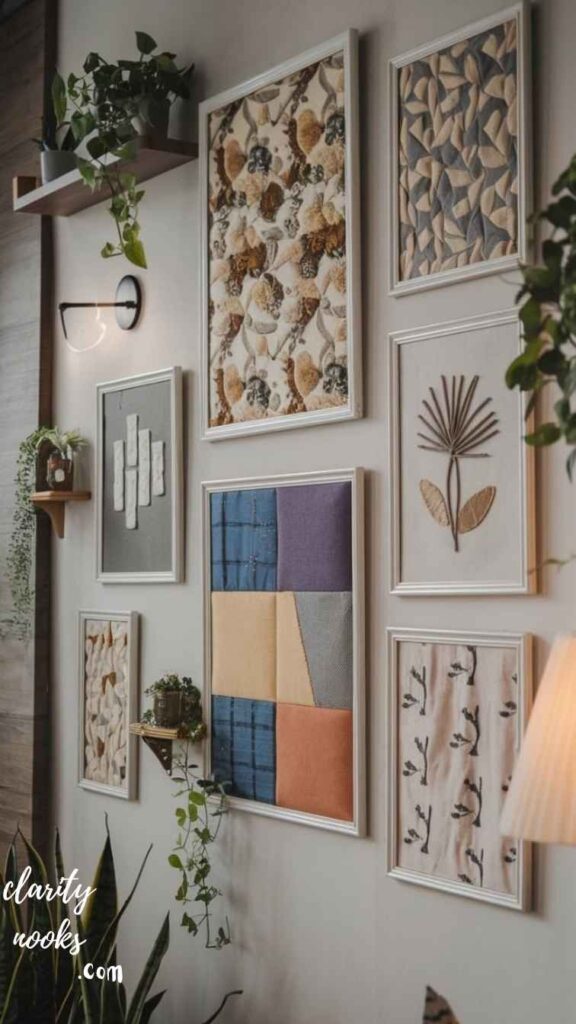
This is one of the best-kept secrets in DIY decor: fabric from a craft store, mounted inside a large frame, looks identical to high-end textile art. Bolt.com and JOANN carry fabric at $6–$15 per yard. Cut it slightly larger than your frame’s backing, wrap it tightly, and secure with a staple gun or tape. Done.
This technique works beautifully with geometric prints, botanical illustrations, abstract patterns, and traditional textiles like kente or ikat. A 24×30 frame with a striking piece of fabric can become the focal point of an entire wall and it costs $25 total. Change the fabric seasonally for a completely different look with the same frame.
Create a Reading Nook or Defined Zone Within Your Room
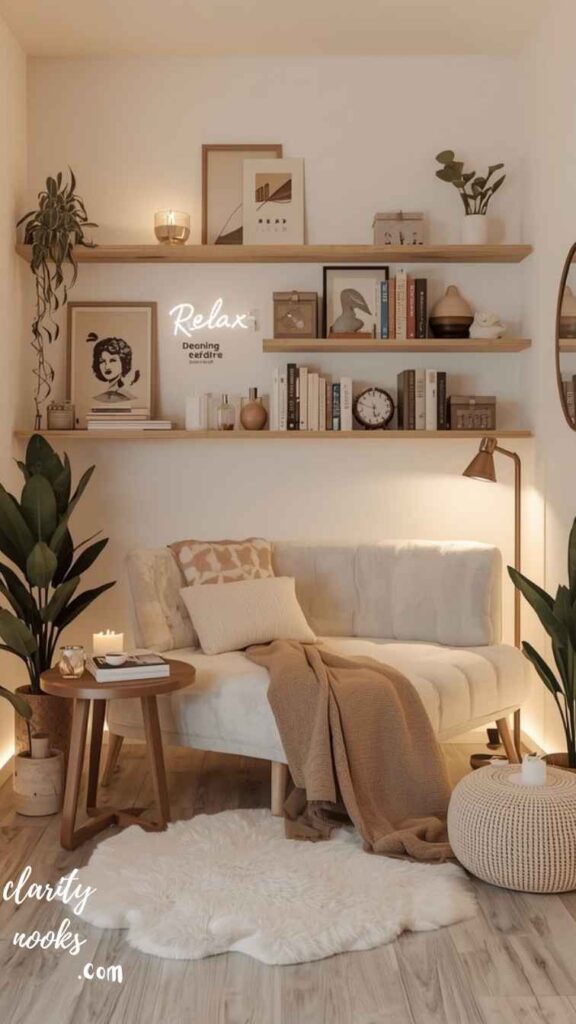
Open-plan living rooms often feel undefined everything blurs together. Adding a “zone” a reading nook, a work corner, a window seat gives the room structure and personality. All you need is a chair, a floor lamp, a small side table, and a rug to define the area. The rug is the zone’s boundary line; everything within it belongs to that corner.
This trick also works in small spaces. A papasan chair, a $25 IKEA LACK side table, and a battery-powered arc lamp in the corner of a 350-square-foot studio creates a reading nook that makes the apartment feel twice as deliberate. It’s not about square footage it’s about intention.
Conclusion
DIY Living Room Decor Ideas help you change your space without spending much. You can use simple items, add color, and try new layouts. Small changes make a big difference. Your living room can feel fresh, cozy, and more personal. These ideas are easy to follow and work for any style. You just need a little time and creativity to get started.
With DIY Living Room Decor Ideas, you stay in control of your home style. You can update your space anytime you want. Try new looks, mix textures, and reuse old items in smart ways. This keeps your room unique and full of life. Keep it simple, stay creative, and enjoy your space every day.
Trend Analysis
Living Room Decor Trends: 2026 and Beyond
The dominant shift in living room design right now is a move away from rigid, curated aesthetics maximalist farmhouse, stark Scandinavian minimalism toward what designers are calling “organic eclecticism.” This means mixing eras, textures, and origins in a way that feels collected over time rather than purchased at once. It rewards DIY. It rewards thrifting. It rewards patience.
Biophilic design
Curved furniture
Warm earthy tones
Sustainable materials
Arched forms
Vintage mixing
Tactile textures
AI-assisted room planning
Looking ahead to 2027–2028, expect three major shifts. First: AI-powered room visualization will become mainstream tools that let you photograph your room and digitally test paint colors, furniture arrangements, and decor before buying anything. Second: sustainability pressure will make thrifted, repurposed, and natural material decor not just affordable but socially preferred. Third: multifunctional spaces will become the norm as remote work persists living rooms that double as home offices, media rooms, and social hubs simultaneously.
Expert Insights
Practical Tips From Real Interior Experience
The 60-30-10 Rule
60% dominant color (walls, sofa), 30% secondary (rug, curtains), 10% accent (pillows, art). This ratio creates visual balance without conscious effort.
Shop Your Own Home First
Before buying anything new, move items between rooms. A lamp from the bedroom, a bowl from the kitchen context changes everything.
Edit, Don’t Add
Removing three items often improves a room more than adding one. Clutter is the enemy of style. If something doesn’t add value, it costs value.
Hang Curtains High and Wide
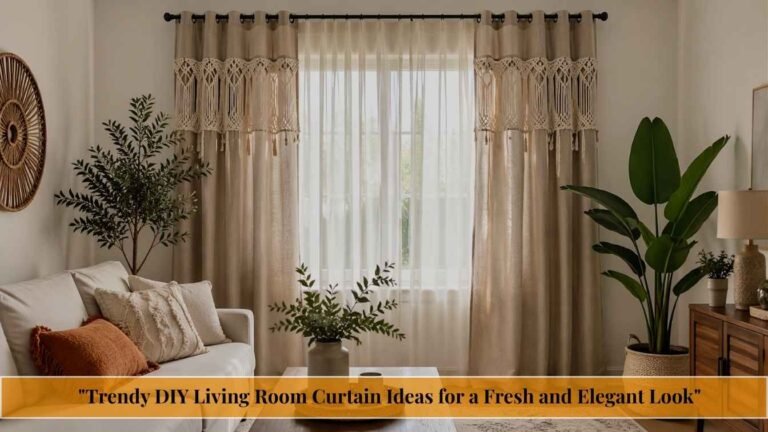
Mount curtain rods 4–6 inches above the window frame and extend 6–12 inches past each side. This makes ceilings feel taller and windows feel grander for free.
Long-Term Strategy
Sustainable Decor: Building a Room That Lasts
The most expensive decor mistake isn’t buying something cheap it’s buying something you’ll hate in two years. Fast furniture and trend-chasing creates both financial and environmental waste. A better strategy: invest once in the large, structural pieces (sofa, rug, lighting) in neutral, enduring colors, then express your personality and follow trends in the smaller, swappable layers pillows, throws, plants, art.
Natural materials age beautifully and give rooms character over time: linen, cotton, solid wood, ceramic, leather, rattan. Synthetic materials tend to look worse over time. When choosing between two options at similar price points, always choose the natural material. It photographs better, feels better, and holds its value better especially if you ever sell or donate it.
Future Predictions
Where Living Room Design Is Heading
2026
AI Room Planning Goes Mainstream
Tools like Google’s Project Starline derivatives and AR-based apps will let anyone visualize full room redesigns from a smartphone photo dramatically reducing costly impulse purchases.
2027
Circular Decor Economy Expands
Subscription-based furniture rental and peer-to-peer decor swapping platforms will normalize renting statement pieces giving renters access to high-end items without long-term commitment.
2028
Smart Lighting Becomes Standard DIY
As smart bulb ecosystems mature and drop in price, dynamic color-temperature lighting shifting from cool daylight to warm evening tones automatically will be the default in new living room setups.
Common Mistakes
Mistakes That Quietly Ruin Living Room Decor
- Buying a rug that’s too small: The most universal mistake. Your rug should be large enough for at least the front legs of all seating to sit on it. If you’re unsure, use painter’s tape to map out sizes on the floor before buying.
- Hanging art at the wrong height: The center of any artwork should be at eye level approximately 57–60 inches from the floor. Most people hang art too high. On a gallery wall, maintain 2–3 inch gaps between frames for cohesion.
- Ignoring scale and proportion: A tiny plant on a large shelf, or a small lamp next to a tall sofa, looks awkward because the proportions fight each other. Every item should feel proportionally matched to its setting.
- Buying matching sets: Matching bedroom sets and living room “suites” always look like showroom floors. Mix pieces different wood tones, different metal finishes, different eras. Collected rooms look real. Matched rooms look staged.
- Over-decorating before editing: Adding more items rarely fixes a room that feels off. More often, the issue is that existing items are competing rather than cooperating. Start by removing three things and reassessing before adding anything new.
FAQs About DIY living room
What is the cheapest DIY living room upgrade?
Rearranging your existing furniture costs nothing and can completely transform the feel of a room. After that, repainting one wall ($15–$30) and adding layered lighting via plug-in lamps ($20–$40) are the highest-impact, lowest-cost changes available.
How do I make a small living room look bigger?
Use mirrors opposite windows, hang curtains close to the ceiling, choose furniture with visible legs (which creates visual space underneath), use a large rug rather than a small one, and keep the colour palette light and consistent. Avoid dark colours on walls unless the ceiling is very high.
What’s the best DIY project for renters?
Removable wallpaper, command-strip art hanging, plug-in wall sconces, freestanding shelving, and curtain rods mounted with tension or minimal-damage fixings are all renter-friendly. None require landlord permission and all can be removed cleanly at the end of a tenancy.
How do I create a cohesive living room design on a budget?
Choose a colour palette of three tones before buying anything, apply it to everything you acquire. Shop thrift stores for solid wood and neutral upholstery. Focus spending on a quality rug and good lighting. A cohesive room is about consistent palette and scale, not price.
What should I decorate my living room with first?
Start with the rug — it defines the seating area and sets the scale for all subsequent decisions. Then establish your lighting layers. Only after those two foundations are in place should you choose decorative accessories and art. Working in this order prevents the most common layout and proportion mistakes.
Rameen Zara is the founder of Clarity Nooks, bringing over five years of experience in home décor and interior styling. She shares simple yet practical design ideas that suit real homes and everyday living. Her approach focuses on cozy aesthetics, soft color palettes, and natural textures that create warm, inviting spaces.