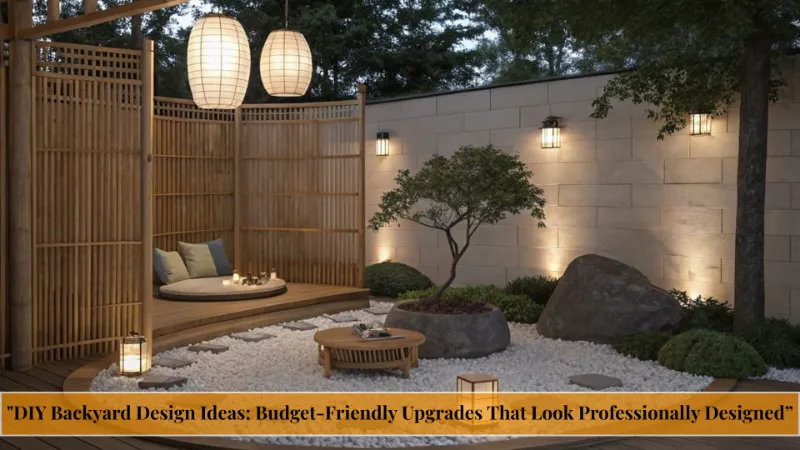
DIY Backyard Design Ideas: Budget-Friendly Upgrades That Look Professionally Designed

Your backyard is sitting there right now empty, overgrown, or just painfully uninspiring. You scroll through Pinterest, you see beautiful outdoor living spaces, and you think: “That’s not for people like me. That costs thousands.” Here’s the truth nobody tells you: the most stunning backyards you see online were built in phases, on real budgets, by real homeowners who learned as they went. The secret isn’t money it’s strategy.
This guide covers practical, deeply explained DIY backyard design ideas that work for small yards, rental-friendly setups, and everything in between. Each idea includes step-by-step instructions, a realistic cost estimate, a materials list, and design tips you won’t find on generic listicles. Whether you’re starting from scratch or refreshing a tired space, this article gives you a real action plan.
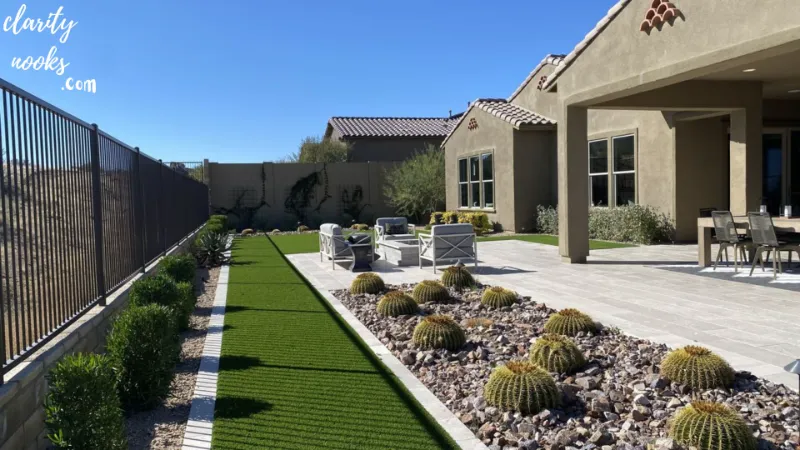
From budget-friendly patio ideas to backyard landscaping on a budget, from outdoor seating areas to container gardens, we’ve structured every section so you can start this weekend no contractor required.
Featured Snippet:
What Are DIY Backyard Design Ideas? DIY backyard design ideas are self-implemented outdoor improvement projects that enhance your yard’s function, aesthetics, and comfort without hiring professional contractors. They range from building raised garden beds and fire pit seating areas to installing string lights and laying gravel pathways all done by homeowners using basic tools, accessible materials, and a bit of creative planning.
Build a Gravel & Timber Patio from Scratch
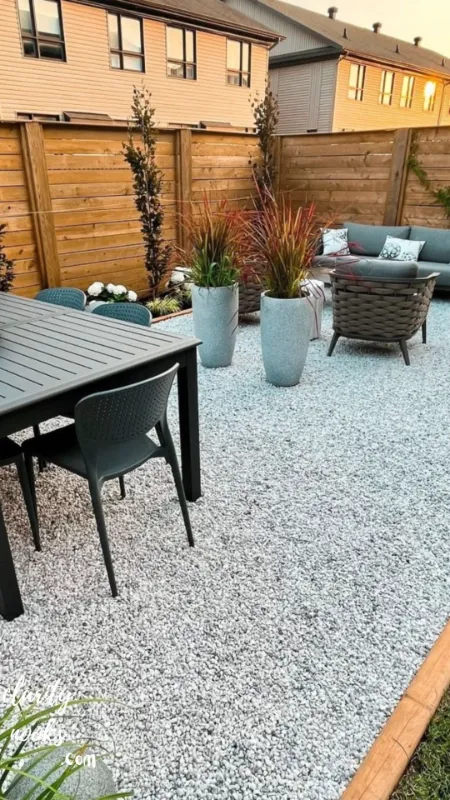
Gravel patios are the single most underrated backyard design on a budget move you can make. Unlike concrete, gravel is forgiving you can adjust it, add to it, and it drains naturally. Paired with timber edging or sleepers, you get a structured look that feels intentional without the permanence (or price) of hardscaping.
The key is preparation. Most DIYers skip the landscape fabric layer and then curse the weeds that appear six months later. Lay your timber frame first, mark the area with spray paint, excavate 3–4 inches, compact the soil, lay weed membrane, then fill with pea gravel or crushed slate. Finish with edging spikes to keep timbers in place.
Step-by-Step: Gravel Patio
1. Mark area with stakes & string (or spray paint)
2. Excavate 3–4 inches of topsoil
3. Compact base soil with a hand tamper
4. Lay pressure-treated timber frame or steel edging
5. Roll out weed-suppressing landscape fabric
6. Fill with 2–3 inches of gravel (pea, crushed slate, or decomposed granite)
7. Rake level and walk on to settle
Materials: Timber sleepers, gravel, landscape fabric, edging spikes, tamper
Estimated Cost: $150–$400 for a 10×12 ft area depending on gravel type
Best For: Rental-friendly setups, fast installs, areas with drainage issues
Must-Read Articles: DIY Tiny Patio Ideas: 10 Creative Ways to Transform Your Small Outdoor Space
DIY Fire Pit Seating Area with Pallet Furniture
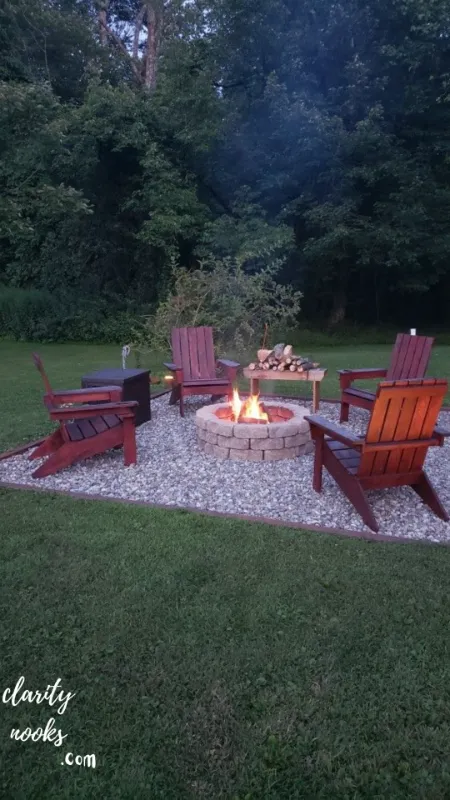
A DIY fire pit area is the #1 upgrade that transforms backyards from functional to social. The fire pit itself is the anchor everything else (seating, lighting, surface) orbits it. You don’t need a pre-made fire pit kit. A simple ring of retaining wall blocks in a 36-inch diameter creates a durable, attractive fire pit for under $80.
Surround it with upcycled pallet furniture for seating. Sand pallets smooth, coat with exterior wood stain or paint, add outdoor cushions, and you have a full seating area for under $200. Position seating 5–7 feet from the fire pit edge for safety and comfort. Add a gravel or flagstone fire pit surround to protect lawn grass.
Real-Life Scenario:
Homeowner Priya R. (Austin, TX) built a complete fire pit seating area for $215 using 45 retaining wall blocks ($75), 4 reclaimed pallets (free), exterior stain ($28), and 6 outdoor cushion covers ($112). She documented the build on Instagram and gained 4,000 followers in one month proof that authentic DIY resonates.
Materials & Cost Breakdown
Fire pit blocks: $65–$90 (retaining wall blocks from hardware store)
Pallets: Free to $20 each (check local buy-nothing groups or lumber yards)
Exterior stain: $25–$40
Outdoor cushions: $80–$150
Gravel surround: $30–$60
Total Estimated Cost: $200–$360
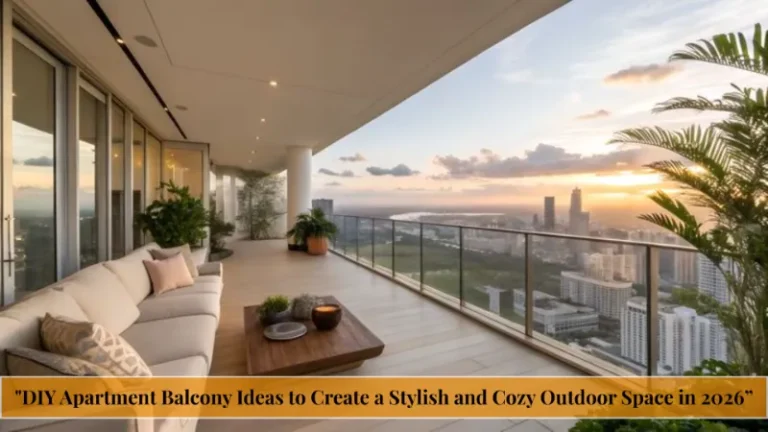
Handpicked Articles: DIY Apartment Balcony Ideas to Create a Stylish and Cozy Outdoor Space in 2026
Raised Garden Beds for a Productive & Beautiful Backyard
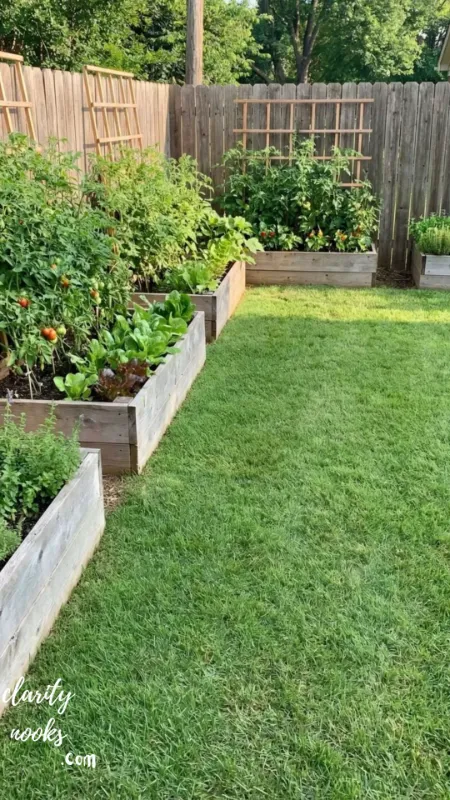
Raised garden beds do double duty they’re both a backyard landscaping idea and a food-production system. Cedar or pine lumber (cedar lasts 10–15 years untreated), cut into a 4×8 ft rectangle, is the classic standard. A simple 2-board-high bed (12 inches tall) gives roots room to grow without back-breaking depth.
Fill your bed using the “Mel’s Mix” formula: 1/3 vermiculite, 1/3 compost, 1/3 peat moss. This combination drains well, holds nutrients, and avoids compaction the #1 killer of backyard vegetable gardens. Add a soaker hose under mulch for near-zero-maintenance watering.
Design tip:
Use 3–4 raised beds in a symmetrical layout with gravel or bark chip pathways between them. This creates a structured kitchen garden aesthetic that looks planned and polished not like a random veggie patch.
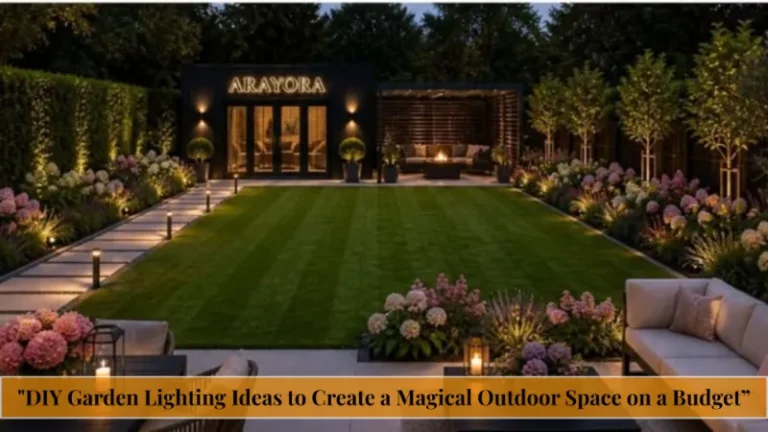
More to Explore: DIY Garden Lighting Ideas to Create a Magical Outdoor Space on a Budget
String Lights & Outdoor Ambiance Lighting
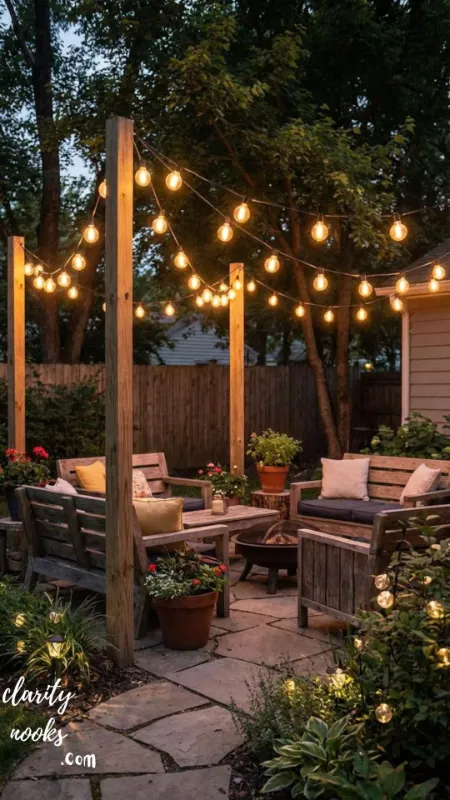
Nothing transforms a backyard faster, or cheaper, than outdoor string lights. They create warmth, define space, and signal “this area is for living” even in a plain, unlandscaped yard. The trick is suspension. Don’t just drape lights over fence posts. Build a proper catenary string light setup using 4×4 timber poles with eye bolts, or stretch cable between existing structures.
For a 10×20 ft area, you’ll need two 8-ft timber posts, concrete mix to anchor them, outdoor-rated S14 Edison bulb string lights (at least 48 ft of strand), and a weatherproof outdoor timer outlet. The Edison bulb aesthetic adds a warm-toned bistro lighting feel that works beautifully with both modern and rustic backyard décor styles.
Featured Snippet:
How to Hang Backyard String Lights 1. Set 4×4 timber posts 8–10 feet high in concrete-filled holes 2. Install heavy-duty eye bolts at the top of each post 3. Run galvanized steel cable between posts as a support line 4. Hang weatherproof string lights from the cable using S-hooks 5. Connect to a timer outlet for automatic on/off no daily switching needed
More on This Topic: Modern DIY Backyard Bar Ideas to Transform Your Outdoor Living Space
Flagstone Stepping Stone Path
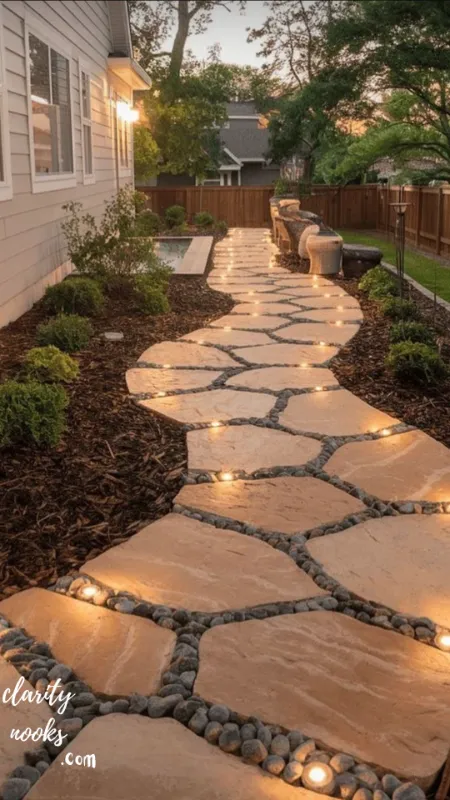
A stepping stone pathway solves one of the most common backyard problems: getting from point A to B without churning up lawn. But beyond function, a flagstone path is a backyard landscaping feature that adds structure and visual interest. Irregular flagstone has an organic, aged quality; square-cut bluestone feels modern and architectural.
Lay stones on a bed of leveling sand (2 inches deep) after removing sod. Space stones 18–24 inches center-to-center for a natural walking stride. Fill gaps with creeping thyme, Irish moss, or polymeric sand depending on how much maintenance you want. Creeping thyme is the best choice it’s fragrant, drought-tolerant, and turns your path into a living design feature.
Pro Tip:
Rent a plate compactor for $40/day from your local hardware store. Use it after laying sand and after setting stones. It saves hours of manual leveling and ensures your path stays in place for years without sinking.
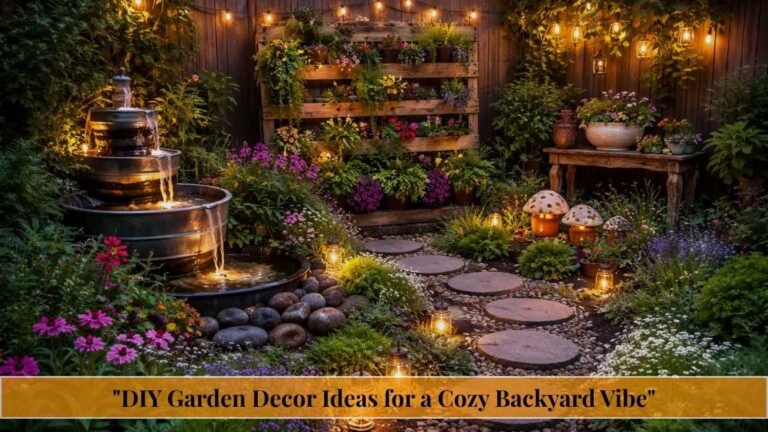
Learn more here: DIY Garden Decor Ideas for a Cozy Backyard Vibe
Vertical Garden Wall with Pocket Planters
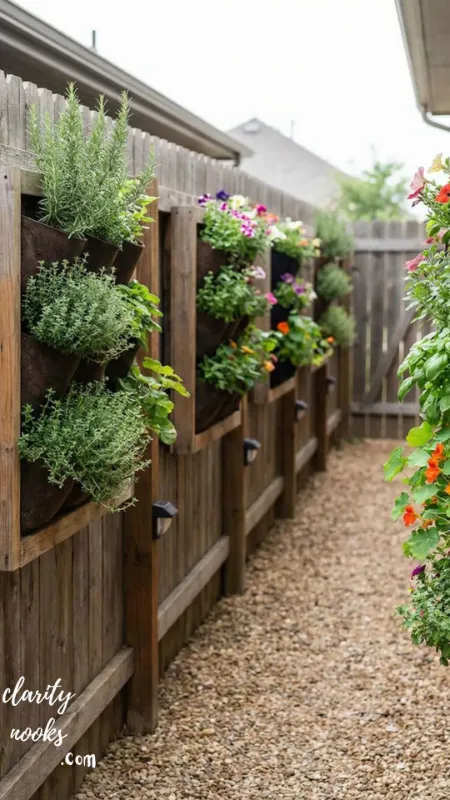
If your backyard is small, a vertical garden wall is the most impactful space-maximizer available. Instead of spreading plants across ground you don’t have, you grow upward. This works on fences, exterior walls, shed sides, and freestanding frames. It’s also one of the best renter-friendly backyard ideas since it doesn’t alter permanent structures.
Use felt pocket planters hung on a horizontal wooden slat system for easy setup and removal. Or build a pallet planter: lay a pallet flat, staple landscape fabric across the slat backs, fill pockets with potting mix, and plant herbs or trailing flowers. Stand it upright once roots establish (about 2 weeks laying flat). The result looks like a living wall but costs under $50.
Mini Case Study:
Teacher and renter Jessica M. (Brooklyn, NY) turned a 6-ft wooden fence into a vertical herb garden using $38 worth of felt pockets and basic screws. Her landlord approved it because no permanent changes were made. She now grows basil, mint, parsley, and cherry tomatoes saving $80/month on produce.
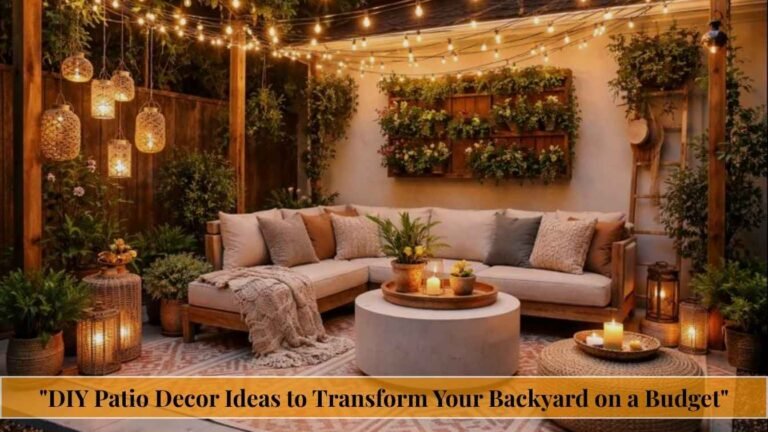
Read our expert tips: DIY Patio Decor Ideas to Transform Your Backyard on a Budget
DIY Pergola or Shade Sail Structure
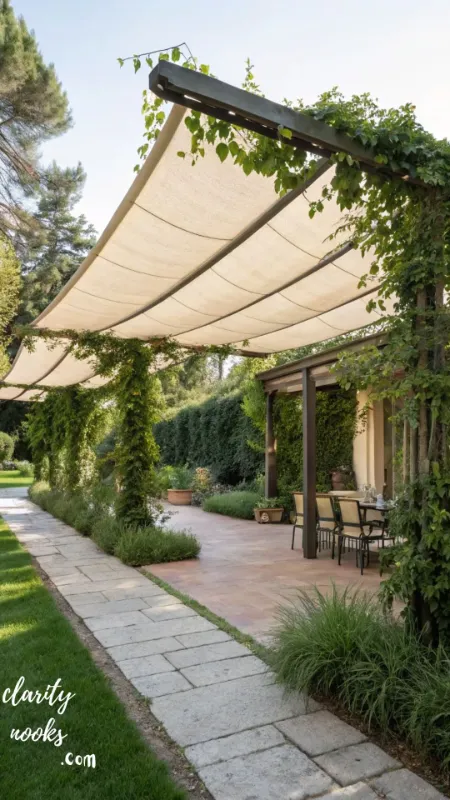
Shade is not a luxury in a backyard outdoor living space it’s a necessity. Without it, your seating area becomes unusable from noon to 5pm in summer. A DIY pergola is the most architecturally satisfying solution. A basic 10×10 ft four-post pergola built from pressure-treated 4×4 posts and 2×6 rafters costs $400–$700 in materials and takes a weekend with two people.
For an even faster solution, install a shade sail a tensioned fabric triangle or rectangle anchored between posts or existing structures. High-quality HDPE shade sails block up to 97% of UV rays, cost $60–$200, and install in hours. Layer two shade sails at different heights for a dramatic, modern backyard design look. Add outdoor curtains to a pergola for a boho backyard aesthetic that’s both functional and beautiful.
Backyard Movie Night Setup
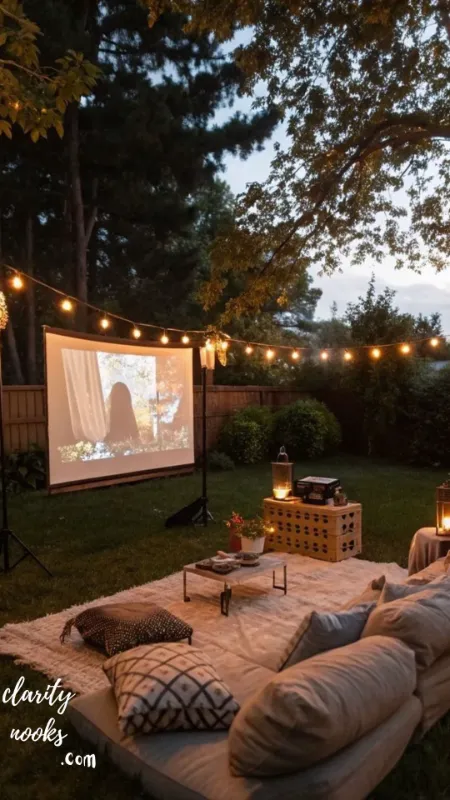
An outdoor movie setup is one of the highest-impact, lowest-cost weekend projects you can build. All you need is a white outdoor projection screen (a taut bed sheet works, though a proper screen dramatically improves image quality), a portable projector, and outdoor seating. The screen can be mounted on a simple 2×4 frame or hung from a fence with bungee cords.
For the audio component, a Bluetooth speaker rated for outdoor use is sufficient for most backyard sizes. Position seating 10–15 ft from the screen for best viewing. Add a popcorn cart, outdoor rug, and blankets to elevate the experience. This setup doubles as a backyard entertainment area for game nights, sports events, and parties.
Estimated Budget Outdoor projector:
$120–$350 Projection screen (72″): $40–$90 Bluetooth speaker: $30–$80 Screen frame (2×4 lumber): $20–$35 Total: $210–$555 for a full outdoor cinema setup
Container Water Feature (DIY Pond or Fountain)
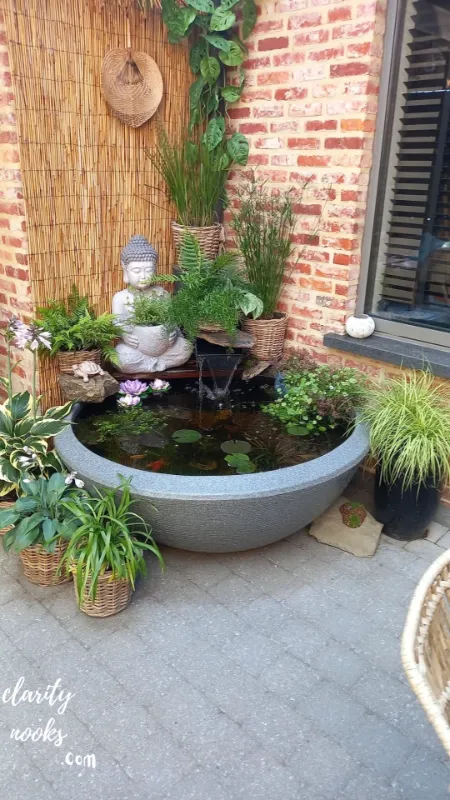
Water adds a sensory dimension to backyard spaces that no other element replicates. The sound of moving water masks traffic noise, attracts birds, and creates an immediate sense of calm. A DIY container fountain is achievable in an afternoon with a large glazed pot or galvanized tub, a small submersible pump, and a few aquatic plants.
Seal any pot without a drain hole (or buy a purpose-sealed one), fill with water, add a submersible pump and tubing, and position a decorative spout or stacked stone above the waterline. Add water hyacinth or miniature water lily for natural filtration and visual texture. This is also a wildlife-friendly garden idea birds, dragonflies, and butterflies will visit consistently.
Outdoor Kitchen Station (Basic Build)
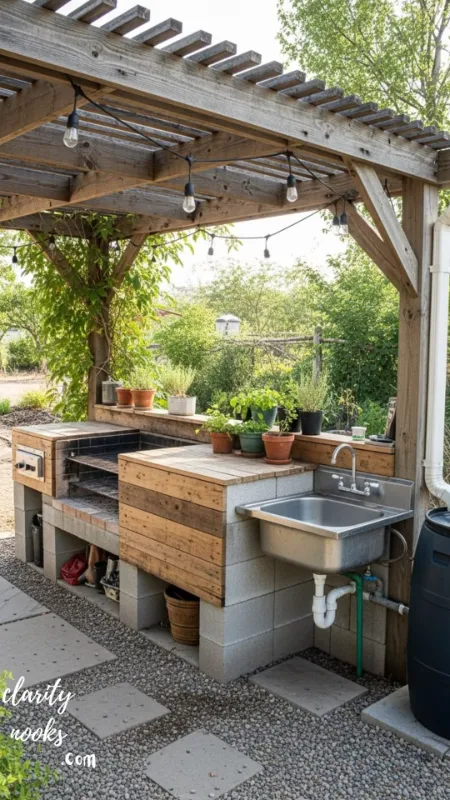
You don’t need a full built-in outdoor kitchen to get outdoor kitchen functionality. A DIY outdoor prep station built from a repurposed butcher block table, a portable two-burner propane cooktop, and a bar cart for storage gives you 80% of the cooking experience at 15% of the cost. Weatherproof everything with exterior polyurethane or food-safe teak oil.
For those ready to commit, a cinder block outdoor kitchen frame is the next step. Stack cinder blocks in an L-shape, lay a concrete board countertop, and clad the exterior with stacked stone veneer or tile. Add a built-in grill and you have a permanent outdoor cooking station for $800–$1,500 vs. $8,000–$25,000 for a professional install.
Lawn-Free Backyard Design with Mulch & Native Plants
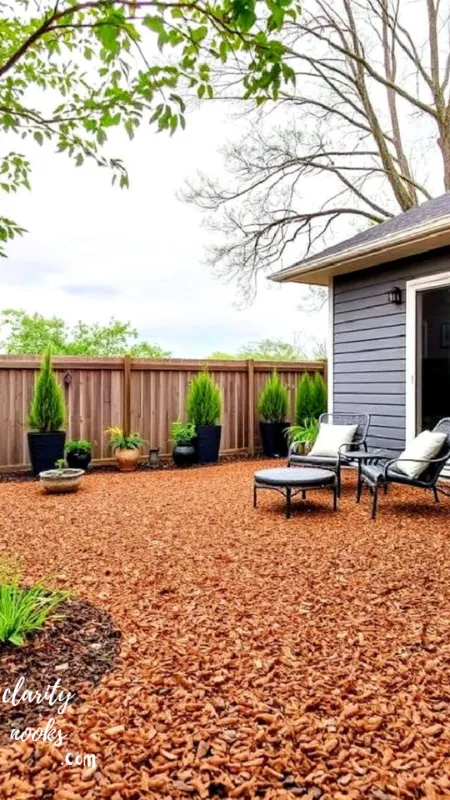
Lawn maintenance is one of the biggest ongoing costs and time sinks of backyard ownership. A lawn-free backyard design replaces grass with a combination of mulched planting beds, native plants, groundcovers, and hardscape elements. This approach requires zero mowing, minimal watering (once established), and supports local pollinators.
Start by smothering existing grass with cardboard (the lasagna mulching method). Wet the cardboard, cover with 3–4 inches of wood chip mulch, and plant directly through it. Choose native perennials suited to your climate zone they return year after year with minimal care. Add ornamental grasses, lavender, or black-eyed Susans for year-round structure and color.
Content Gap Competitors Miss:
Most articles skip the legal and HOA dimension of lawn-free yards. Some HOAs have explicit rules about lawn coverage percentages. Before removing your lawn, check your HOA covenants and local ordinances. Many cities now offer rebates for lawn replacement with native plants a financial incentive most homeowners don’t know exists.
DIY Backyard Privacy Screen with Lattice & Climbing Plants
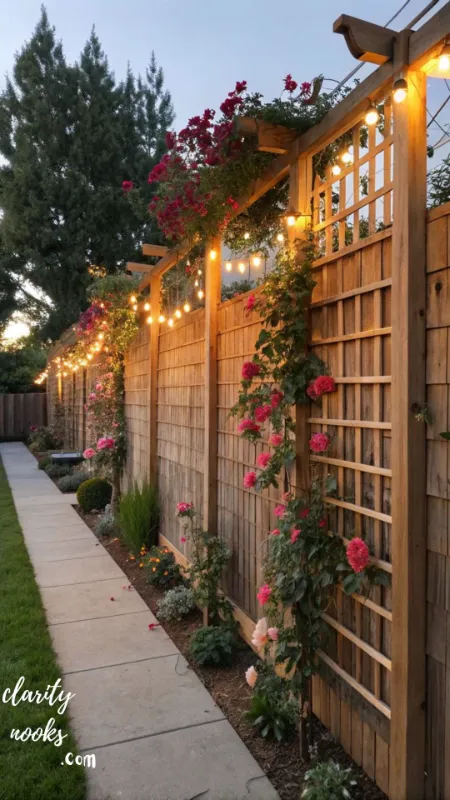
Privacy is the most requested backyard upgrade and one of the most expensive when done professionally. A DIY privacy screen using a wooden lattice frame combined with fast-growing climbing plants creates a lush, living wall that costs a fraction of a fence and grows more beautiful every year.
Build a simple 2×4 frame (or use pre-made trellis panels), anchor it with post spikes for a rental-friendly no-dig install, and plant star jasmine, black-eyed Susan vine, or climbing hydrangea at the base. These varieties cover a 6×6 frame in one to two growing seasons. Add outdoor reed screening as a temporary privacy solution while plants establish.
Design Tip:
Use 3 staggered privacy screens at slightly different heights and angles rather than one flat panel. This creates depth, breaks visual rigidity, and feels more like a garden feature than a barrier an important distinction when aesthetics matter as much as privacy.
Conclusion
Your backyard doesn’t need a complete overhaul to become a space you actually love. The best DIY backyard design ideas are the ones you implement in phases starting with what bothers you most and building from there.
Whether it’s a gravel patio, a fire pit, or a vertical herb wall, each project adds real value, both to your property and your daily life. Use this guide as your action plan, not just inspiration. Pick one idea, gather your materials, and start this weekend. The backyard you’ve been imagining is closer and cheaper than you think.
Trend Analysis: DIY Backyard Design in 2026–2028
Outdoor living investment is accelerating. Post-pandemic shifts normalized working, socializing, and dining outdoors and that behavior has stuck. According to the American Society of Landscape Architects, outdoor living spaces ranked as the #1 residential design trend for the third consecutive year entering 2025. Homeowners are treating backyards as additional square footage rather than maintenance burdens.
Key Trends Shaping Backyard Design (2026–2028)
- Biophilic design integration: Nature-inspired materials (weathered wood, stone, raw concrete), native plant-focused landscaping, and sensory elements like water features are dominating residential outdoor design.
- Solar-powered outdoor features: Solar string lights, solar fountain pumps, and solar pathway lighting have dropped in price by ~60% since 2022, making off-grid backyard setups genuinely accessible.
- Multifunctional outdoor rooms: Backyards are being zoned like interior rooms a dining zone, a lounge zone, a kitchen zone rather than treated as single undifferentiated spaces.
- “Rewilding” and eco-gardens: Lawn-free, pollinator-friendly designs are growing rapidly as water restrictions expand across drought-prone states and environmental awareness increases.
- Modular and movable outdoor furniture: Renters and frequent movers are driving demand for non-permanent structures like folding pergolas, portable fire pits, and stackable raised beds.
Expert Insights & Practical Backyard Design Tips
The most common mistake experienced backyard DIYers make isn’t a construction error it’s skipping the design phase. Before buying a single board or bag of gravel, sketch your backyard on graph paper (1 square = 1 foot). Mark sun patterns at 9am, 12pm, and 5pm across seasons. Mark drainage flow during rain. This 30-minute exercise prevents expensive mistakes that take months to fix.
Actionable Expert Strategies
- Layer your lighting: The best outdoor lighting designs use three layers ambient (string lights), task (pathway lights), and accent (spotlights on plants or features). Each layer serves a different function and they combine to create a professional, resort-like atmosphere.
- Build in phases, not all at once: A complete backyard overhaul attempted in one weekend almost always produces mediocre results. Phase your projects by functional zone surface first, shade second, greenery third, ambiance last.
- Material consistency wins: Choose one or two primary materials (e.g., cedar wood + black metal) and repeat them across all elements. This creates a cohesive backyard design aesthetic even if projects are built months apart.
- Use outdoor rugs to define zones: An outdoor rug under a seating area visually defines the zone without construction. It’s one of the cheapest backyard decorating ideas with the highest visual impact.
- Think about your neighbor’s sightlines: Before positioning a fire pit or seating area, stand at your neighbor’s window height and assess what they’ll see. Proactive placement of privacy plants or screens prevents disputes later.
Long-Term Strategy: Building a Backyard That Scales
Smart backyard design isn’t just about what looks good today it’s about building systems that get better over time. Native plantings, for instance, require significant effort in year one but virtually zero maintenance in years three and beyond as root systems establish. Raised garden beds improve each year as soil biology matures and compost layers build.
From a financial perspective, outdoor living space improvements consistently offer strong ROI. A well-executed DIY patio or deck can return 60–80 cents on every dollar spent in home resale value. A fire pit area, outdoor kitchen, or pergola can return even more in markets where outdoor living is valued year-round. Document your projects with before-and-after photography this creates evidence of improvement for future buyers.
Scalability Framework
- Year 1: Surface & structure (patio, pathways, basic seating, string lights)
- Year 2: Shade, privacy & greenery (pergola or shade sails, privacy screen, raised beds)
- Year 3: Ambiance & amenities (water feature, outdoor kitchen, fire pit, movie setup)
- Ongoing: Plant establishment, seasonal decor updates, system refinements
Future Predictions & Innovations in Backyard Design
The intersection of technology and outdoor living is accelerating. Smart outdoor systems including app-controlled irrigation, solar-integrated pergola roofs, and AI-powered landscape design tools are moving from luxury to mainstream. By 2027, expect standard backyard smart home integration that includes automated lighting scenes, weather-responsive outdoor heaters, and voice-controlled outdoor speakers as default features for mid-range builds.
- AI landscape planning: Tools like Yardzen and AI-enhanced design apps are enabling homeowners to generate and visualize complete backyard design plans from photos of their existing space within minutes reducing the design phase from weeks to hours.
- Prefab outdoor rooms: Pre-engineered modular structures (pergolas, garden rooms, outdoor offices) that arrive flat-packed and assemble in days are changing what’s possible for the confident DIYer.
- Regenerative landscaping: Water harvesting systems (rain gardens, swales, cisterns) integrated directly into backyard design layouts will become standard as water costs and restrictions increase nationally.
- Carbon-sequestering gardens: Deep-rooted native perennial plantings certified for carbon offset programs a niche today, potentially mainstream by 2027 as carbon credit markets evolve.
Common Mistakes & Hidden Gaps in DIY Backyard Design
Even experienced DIY backyard designers make predictable errors and many are expensive to fix. Knowing these in advance will save you time, money, and frustration.
Beginner Mistakes
- Skipping drainage planning: Building a patio over an area with poor drainage creates a waterlogging problem you’ll fight every time it rains. Always grade surfaces away from structures and install drainage channels where needed.
- Buying too little material: Order 10–15% more gravel, mulch, or lumber than calculated. Running short mid-project costs you extra delivery fees and matching issues.
- Ignoring scale: A 6-foot pergola in a 10×10 backyard will feel oppressive. Always sketch to scale before building.
- Underestimating curing and drying times: Concrete posts need 24–48 hours to cure. Stained wood needs 24 hours to dry. Rushing these steps causes structural and aesthetic failures.
Intermediate Mistakes
- Not accounting for local codes: Many jurisdictions require permits for structures over a certain height or size. Always check local building codes before starting a pergola or outdoor kitchen project.
- Prioritizing aesthetics over function: A beautiful fire pit area positioned where smoke blows toward your house or neighbors will get abandoned. Test wind patterns at the site before building.
- Choosing the wrong plants: A climbing plant that works in coastal California may be invasive in the Southeast. Research USDA plant hardiness zones and invasive species lists before planting.
- Neglecting soil amendment: Planting directly into compacted, clay-heavy, or depleted soil without amendment is the most common reason backyard gardens fail. Test and amend before planting.
Hidden Gap:
The Renter Blind Spot Most backyard design content assumes homeownership. Renters represent nearly 36% of U.S. households a massive, underserved audience. Many of the ideas above (vertical gardens, movable furniture, shade sails with removable post spikes, container ponds) are fully renter-compatible. Always check your lease before drilling or digging, and document the pre-project state of your yard with photos.
FAQ: DIY Backyard Design Ideas
What is the cheapest way to improve a backyard?
The cheapest backyard improvements start with cleanup and organization ($0), followed by mulching planting beds ($30–$80), adding string lights ($25–$60), and creating defined zones with outdoor rugs ($40–$100). These four steps can transform a neglected backyard for under $250.
How do I design a backyard layout myself?
Start by measuring your backyard and drawing it to scale on graph paper. Mark sun patterns, existing structures, and access points. Then zone the space: define a dining/seating area, a garden zone, and a play or utility area. Work from the largest features inward surface, then shade, then planting, then lighting.
What are good backyard ideas for small spaces?
For small backyards, prioritize vertical gardening, multi-functional furniture (storage ottomans, folding tables), and mirror or glass elements that create the illusion of space. A single defined zone (e.g., a bistro table area with string lights) executed well beats five underdeveloped zones.
How can renters improve their backyard without permanent changes?
Renters can use container gardens, freestanding furniture, removable shade sails, felt pocket planters on fence hooks, and solar lighting that requires no electrical work. Always photograph the yard before starting and check your lease for restrictions on digging or drilling.
What backyard project adds the most home value?
Patios, decks, and outdoor living spaces consistently offer the highest ROI among backyard improvement projects. A well-built patio can return 60–80% of its cost in home value. Outdoor kitchens and fire pit areas are close behind, particularly in markets with mild year-round climates.
Rameen Zara is the founder of Clarity Nooks, bringing over five years of experience in home décor and interior styling. She shares simple yet practical design ideas that suit real homes and everyday living. Her approach focuses on cozy aesthetics, soft color palettes, and natural textures that create warm, inviting spaces.