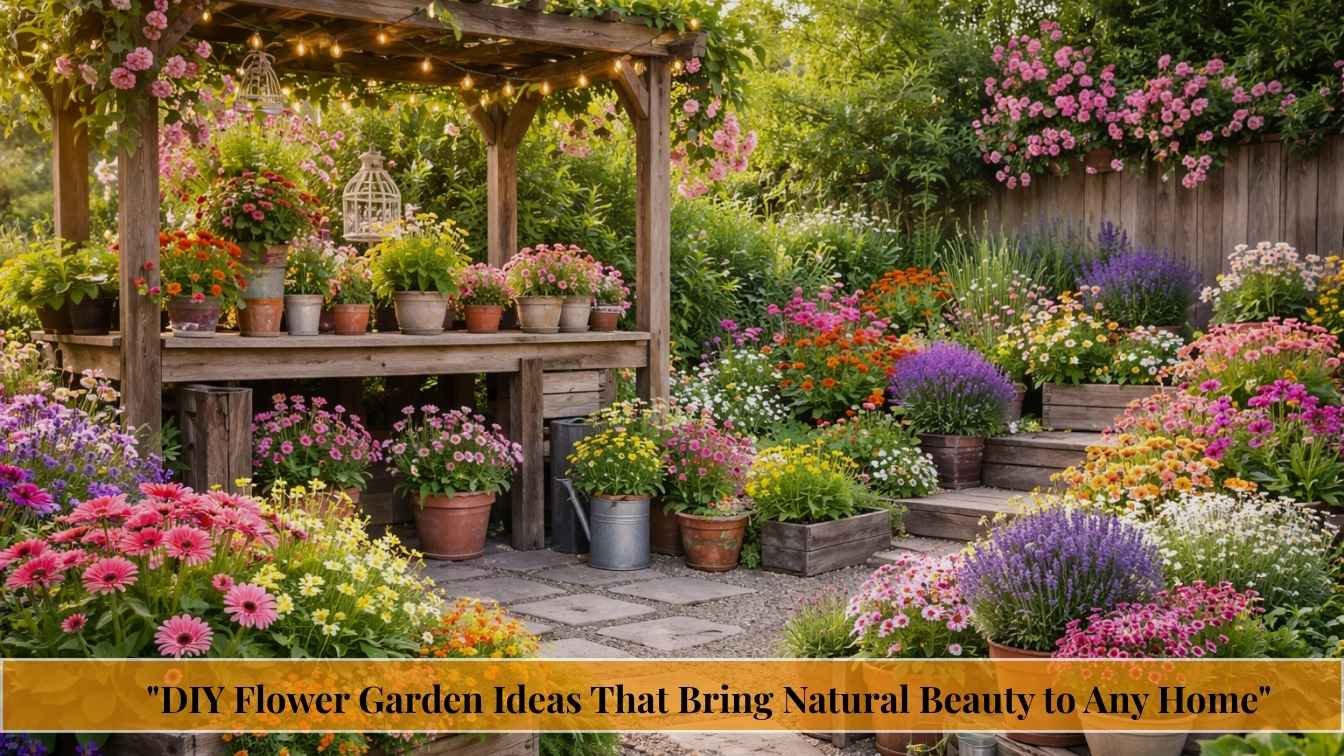
DIY Flower Garden Ideas That Bring Natural Beauty to Any Home

“You picture a garden full of color, fragrance, and life. But every time you try, something goes wrong the wrong plants, the wrong placement, or simply no idea where to begin. Creating a gorgeous DIY flower garden isn’t about having a green thumb. It’s about having the right ideas.”
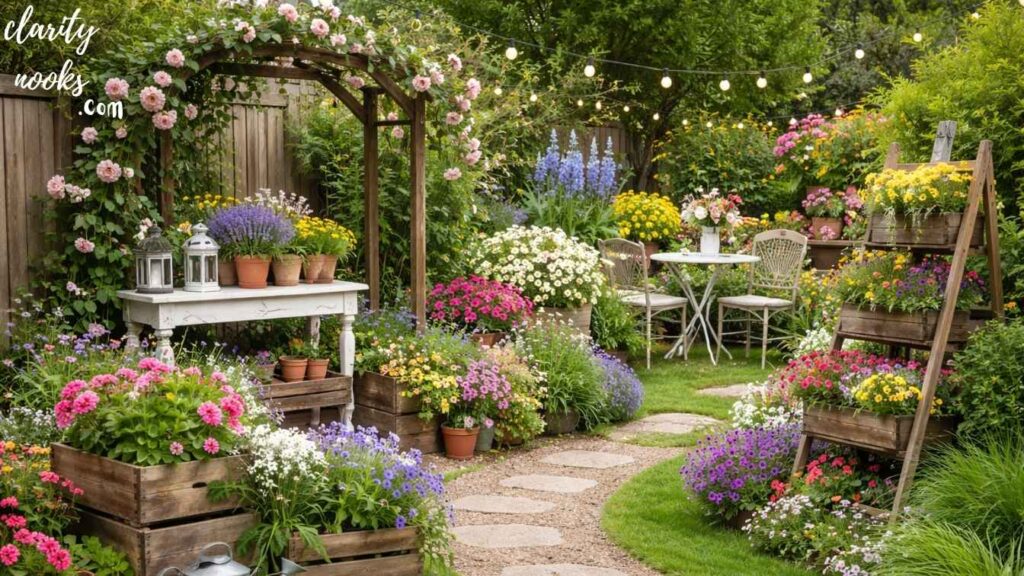
Whether you’re working with a sprawling backyard, a narrow balcony, or a single sun-drenched windowsill, this guide has you covered. You’ll find 15 actionable DIY flower garden ideas each explained in full, with real-world scenarios and practical advice so you can start planting with confidence today.
What Is a DIY Flower Garden?
(Quick Definition)
A DIY flower garden is a garden you design, plant, and maintain yourself without hiring a professional landscaper. It can range from a small container arrangement on a balcony to a full in-ground border. The key idea is that you choose the layout, select the plants, and do the work yourself, often at a fraction of the cost of professional landscaping.
Build a Raised Flower Bed from Reclaimed Wood
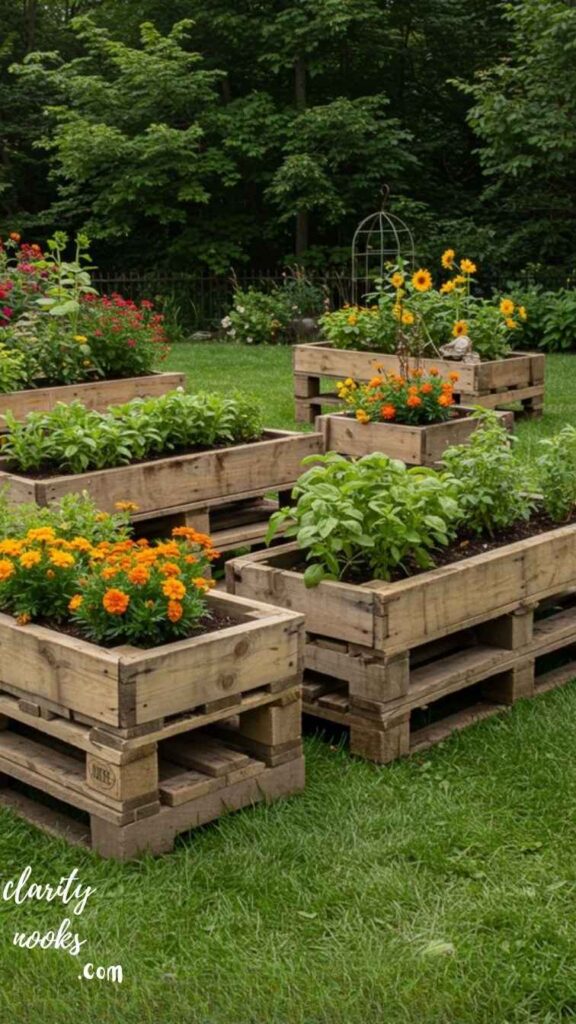
Raised flower beds solve three common problems at once: poor soil quality, bad drainage, and difficult bending. By building a simple wooden frame even using reclaimed timber or old pallets you control exactly what goes into the soil. Fill it with a mix of topsoil, compost, and perlite for near-perfect growing conditions.
A real-life example: one gardener in Manchester transformed a concrete backyard using two raised beds made from scaffolding boards, spending under £40 total. Within one season, she was growing cosmos, zinnias, and sweet peas with zero prior experience. The height of raised beds also deters slugs naturally.
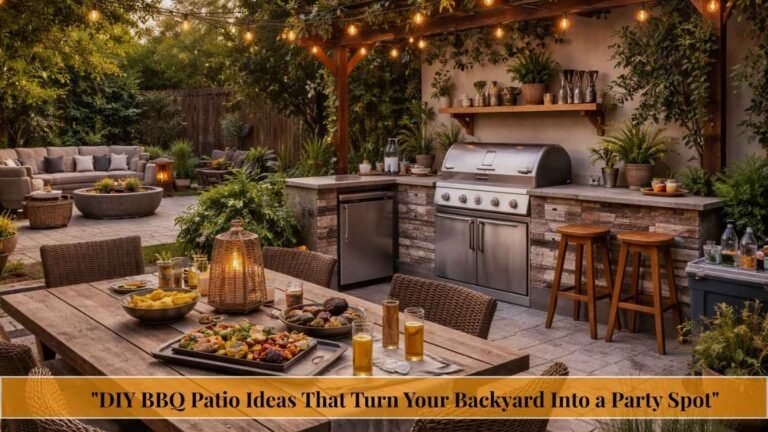
Must Read: DIY BBQ Patio Ideas That Turn Your Backyard Into a Party Spot
Plant a Cut Flower Patch for Year-Round Bouquets
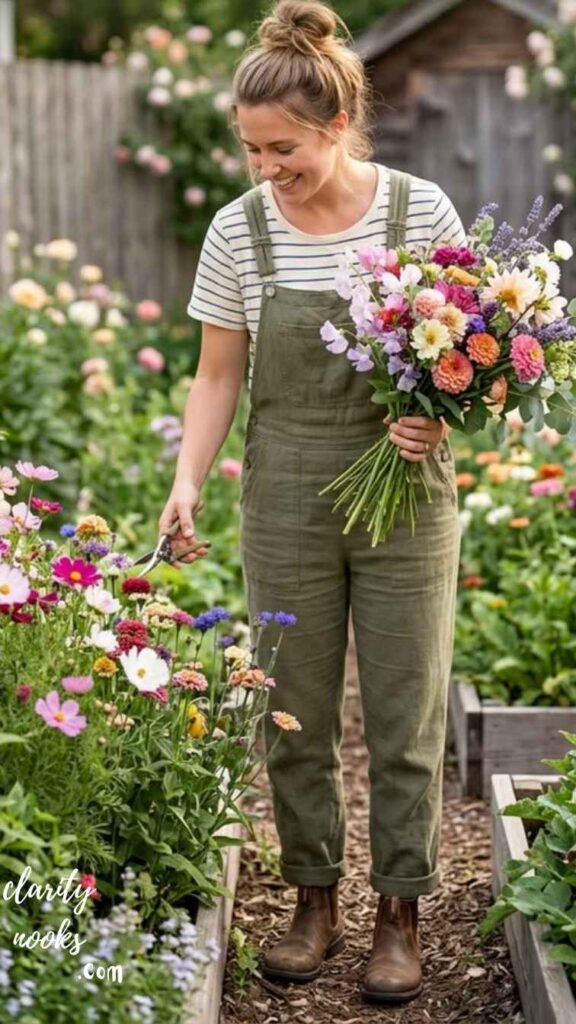
A dedicated cut flower patch is one of the most satisfying DIY flower garden ideas because you get a tangible reward fresh bouquets for your home every week. Choose varieties with long stems and long vase life: sunflowers, lisianthus, stocks, and zinnias are excellent starting points. Plant in rows like a vegetable garden for easy harvesting.
The key insight most beginners miss is succession planting. Rather than planting everything at once, stagger your seeds every two weeks from spring through early summer. This ensures you have something blooming from June right through to the first frost, giving you a continuous supply all season.
Don’t Skip: Budget-Friendly DIY Media Wall Ideas to Upgrade Your Space
Design a Moon Garden with White Flowers
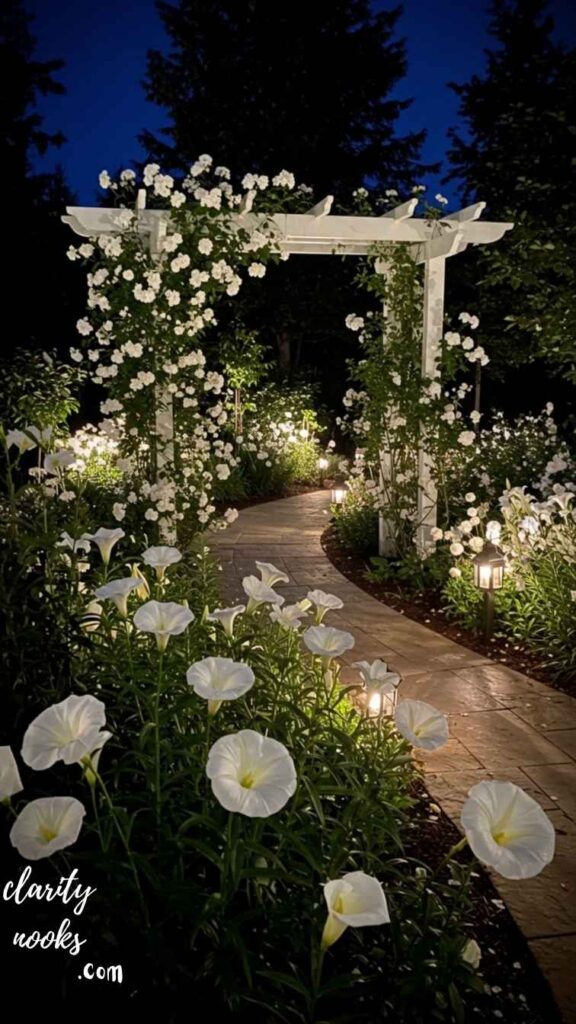
A moon garden is planted entirely or primarily with white and pale-colored flowers that glow in the evening light. This is an underused idea that creates something genuinely magical. Think white roses, silver-leaved plants like Stachys, white impatiens, and night-blooming jasmine. The effect after sunset is stunning.
This concept works especially well for people who are at work all day and primarily enjoy their garden in the evening. It’s also a surprisingly practical choice: white flowers tend to attract moths, which are important pollinators. Add a bench or seating area and you have a peaceful nighttime retreat.
Don’t Miss: Simple DIY Bedroom Interior Ideas for a Stylish and Relaxing Bedroom Makeover
Use Containers to Create a Moveable Flower Display
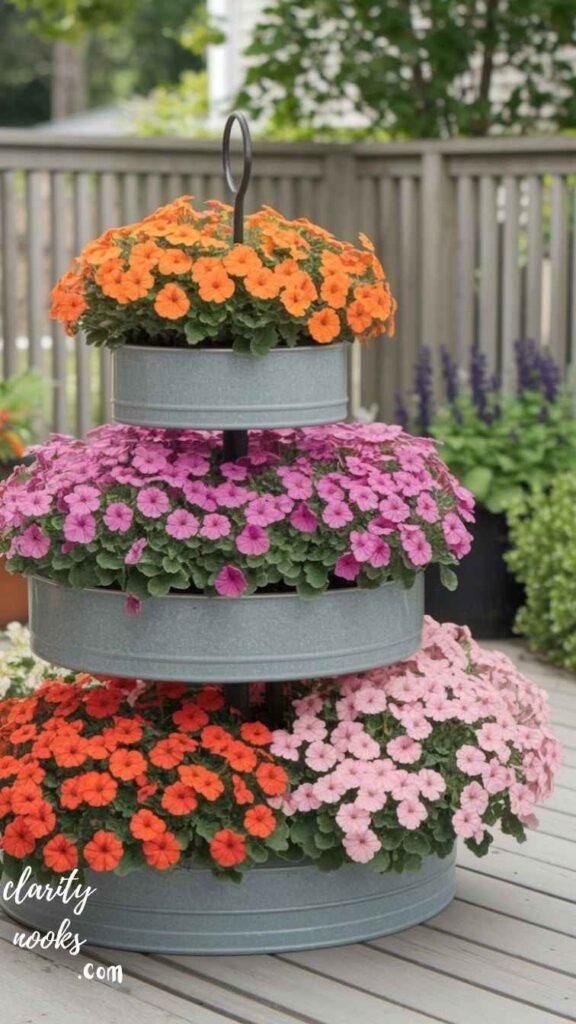
Container gardening is the most flexible of all DIY flower garden ideas. You can grow beautiful displays on a balcony, patio, or even indoors. The trick is to group containers in odd numbers, vary the heights using pot stands or stacked bricks, and use the “thriller, filler, spiller” rule: one tall dramatic plant, one bushy mid-level plant, one trailing edge plant.
A great real-world example is pairing a tall Canna lily with mid-level Calibrachoa and trailing Bacopa in a large terracotta pot. The result looks professionally designed but costs under £15 to create. Containers also let you swap out plants between seasons, so your display never looks tired.
Voice search answer:
“What flowers grow best in containers?”
Petunias, begonias, marigolds, Calibrachoa, and geraniums are all excellent container flowers for beginners.
Read More: DIY Home Office Ideas That Actually Work Smart Setups for Every Space and Budget
Plant a Wildflower Meadow
(Even in a Small Space)
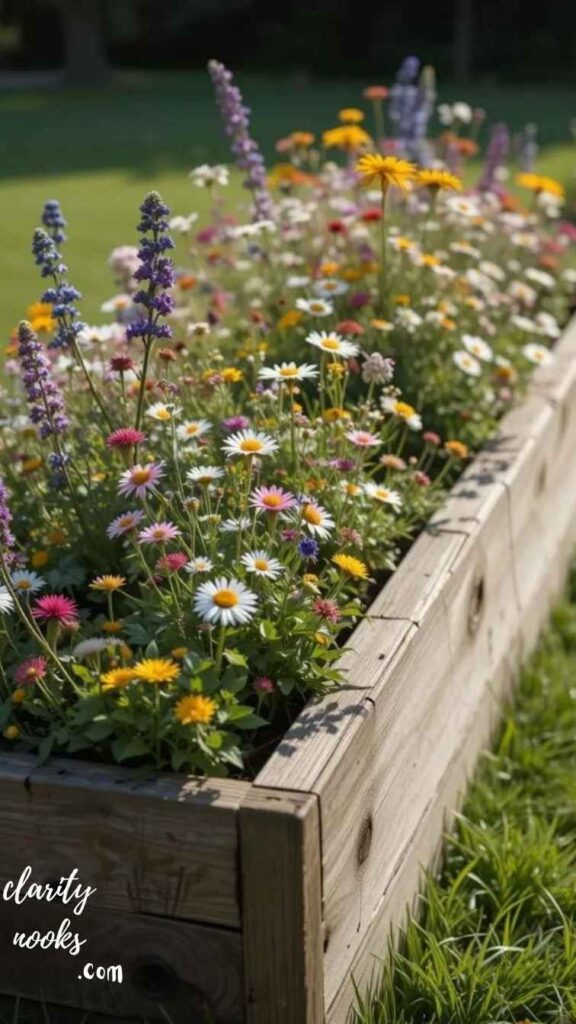
Wildflower meadows have exploded in popularity for good reason. They require almost no watering once established, they’re extraordinarily good for pollinators, and they look breathtaking in full bloom. You can sow a wildflower area in a patch as small as one square meter. The key is proper soil preparation wildflowers actually prefer poor soil, so remove topsoil or add horticultural sand to reduce fertility.
Councils across the UK and US have now embraced this approach in public parks, but it’s entirely achievable at home. Scatter a native wildflower seed mix in autumn or early spring, water lightly, and simply wait. Cornflowers, poppies, oxeye daisies, and field scabious will self-seed year after year with zero effort.
Install a Vertical Flower Wall or Trellis Garden
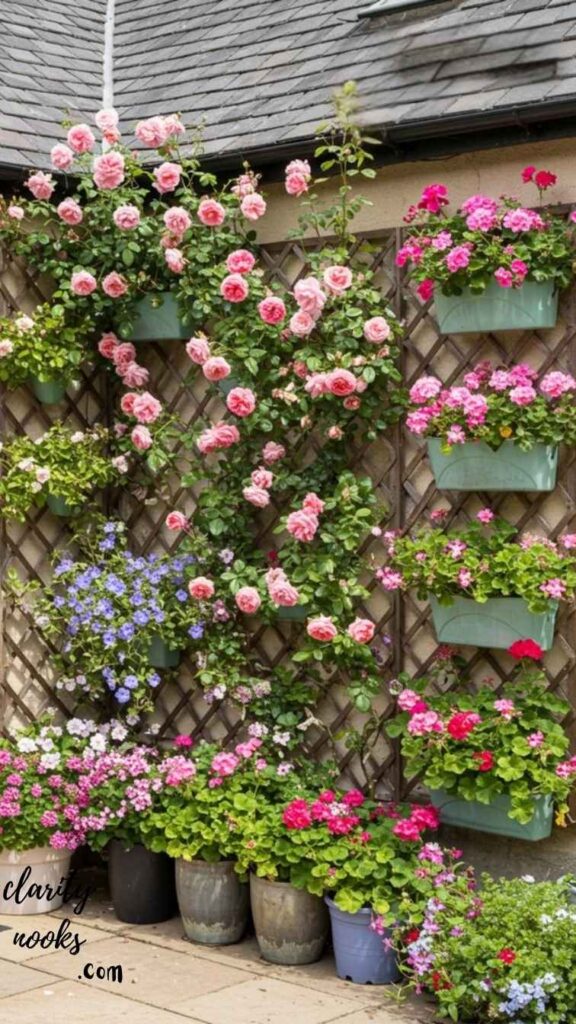
When you don’t have horizontal space, go vertical. A simple trellis fixed to a fence or wall can support climbing roses, clematis, sweet peas, or morning glory. Within one season, a bare fence becomes a living tapestry of color and fragrance. You can also use wall-mounted planters or a pallet planter hung vertically for a more structured look.
For renters or those with small patios, a freestanding trellis panel in a large pot is a portable solution that requires no drilling or permanent fixtures. This approach is particularly common in urban container gardens where every inch of space matters.
Create a Pollinator Garden with Native Plants
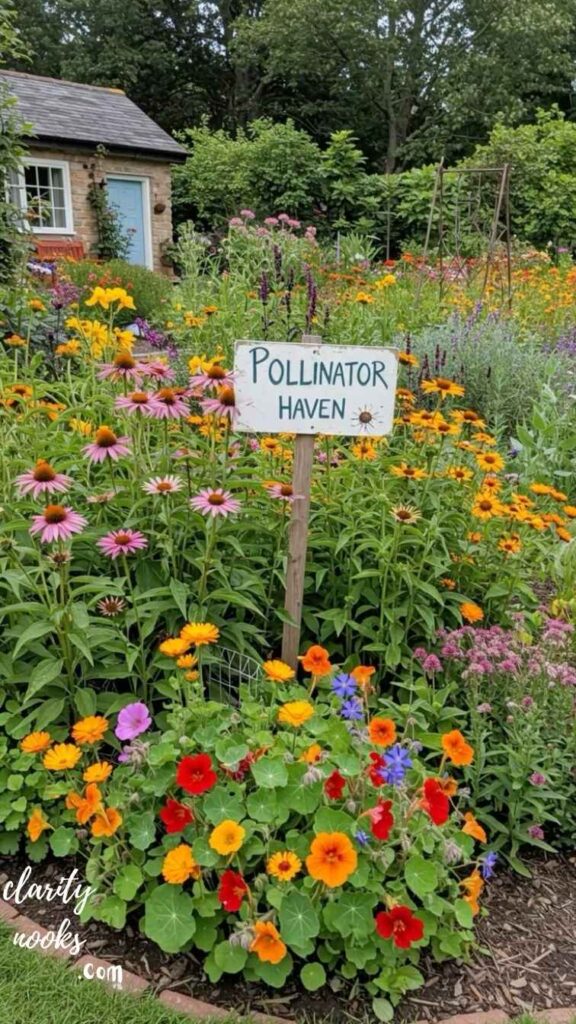
A pollinator garden isn’t just good for bees and butterflies it’s good for your entire yard. Pollinators improve fruit and vegetable yields in nearby beds, and native plants are dramatically lower maintenance than exotic varieties. For a UK garden, that means planting foxgloves, echinacea, borage, and verbena bonariensis. In North America, black-eyed Susans, coneflowers, and native salvias are excellent choices.
A case study from a community allotment in Sheffield showed that introducing a 10-square-metre pollinator strip increased neighbouring vegetable yields by 30% in a single season. Even a small dedicated area or simply choosing pollinator-friendly species across your whole garden has a measurable impact.
Design a Four-Season Flower Garden
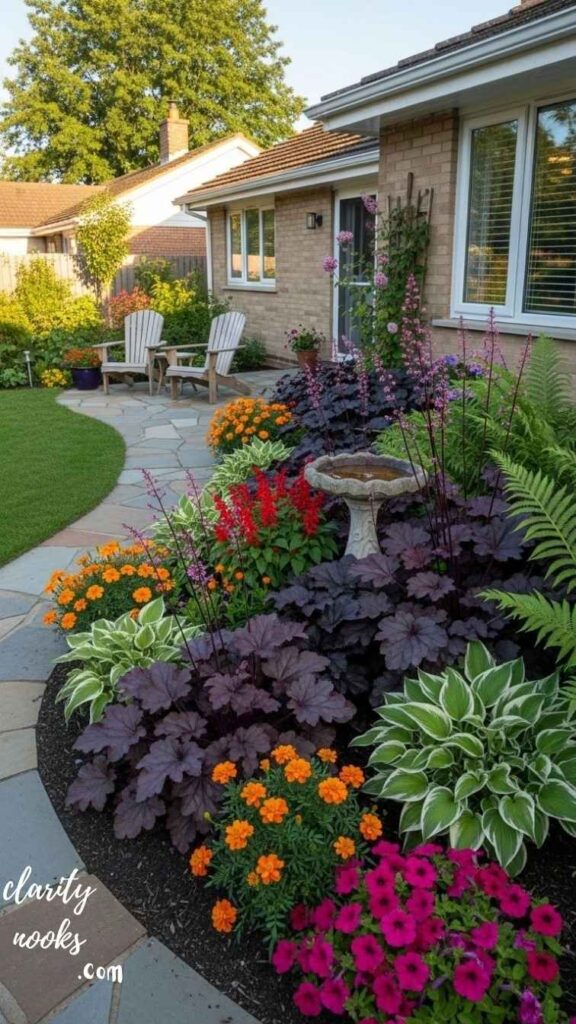
One of the biggest mistakes gardeners make is planting only for summer. A truly satisfying DIY flower garden has something blooming in every season. In winter: hellebores and snowdrops. In spring: tulips, alliums, and forget-me-nots. In summer: roses, dahlias, and lavender. In autumn: rudbeckia, asters, and Japanese anemones. Plan your planting calendar and you’ll never have a bare, sad garden again.
The approach requires a little upfront planning but zero extra cost. Map out your bed on paper first, noting bloom times for each plant you want. Apps like Planta or RHS Grow Your Own can make this planning process surprisingly quick and enjoyable.
Grow Flowers from Seed for Maximum Savings
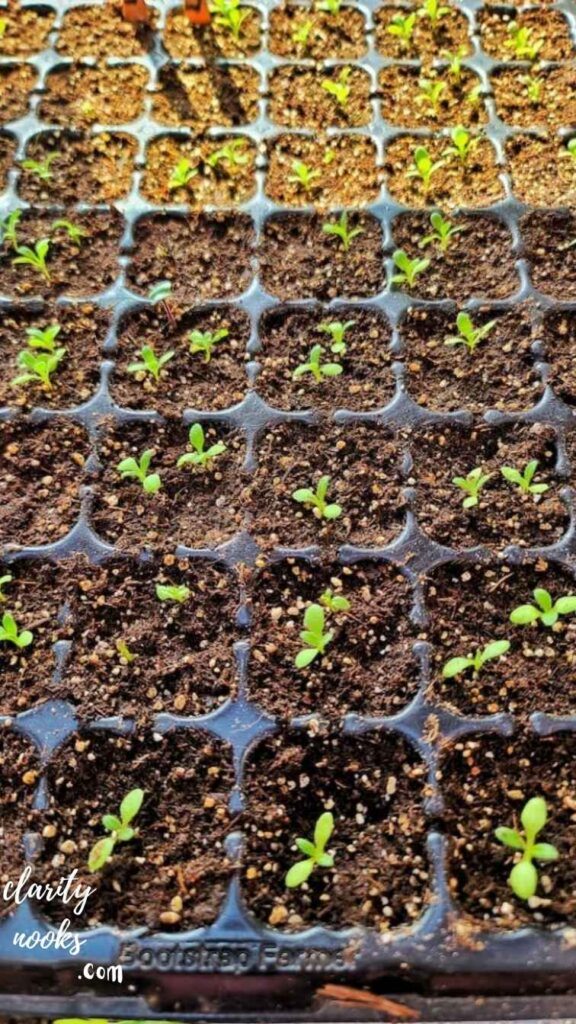
Growing flowers from seed is significantly cheaper than buying plug plants or established pots often 10 to 20 times less expensive per plant. It also gives you access to varieties that simply aren’t sold as plants. Cosmos, larkspur, nigella, and sweet peas are all easy from seed and produce stunning results. Start seeds indoors under a simple grow light or on a bright windowsill 6–8 weeks before your last frost date.
Seed saving takes this further. Once you’re growing flowers you love, collect seeds at the end of the season in paper envelopes, label them, and store in a cool dry place. Many annuals and perennials including foxgloves, poppies, and aquilegia will self-seed freely in your garden anyway, meaning your garden grows itself larger every year.
Use the Color Wheel to Plan a Cohesive Garden Palette
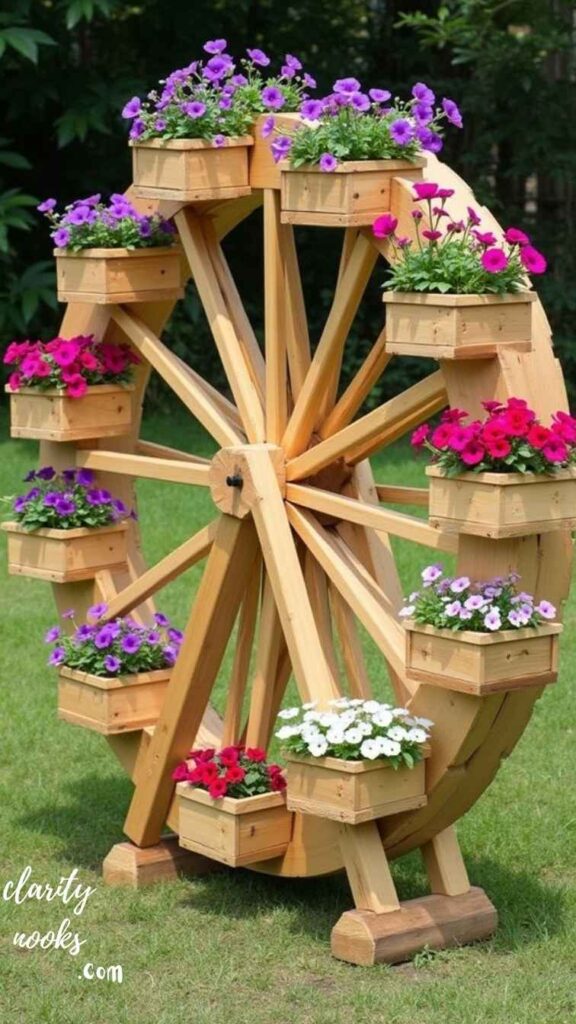
Gardens planned around color theory look deliberately designed rather than accidental. The two most powerful approaches are complementary colors (opposites on the color wheel, like purple and yellow, or red and green) and analogous colors (neighbors on the wheel, like pink, peach, and orange). Most beginners mix too many unrelated colors, creating a chaotic effect rather than a harmonious one.
A practical example: a hot-colored border using red salvia, orange marigolds, and yellow rudbeckia creates a vibrant, energetic effect. Swap to soft lavender, pale pink phlox, and white gypsophila for a cool, romantic feel. Committing to a palette before you buy is the single decision that most transforms garden aesthetics.
Build a Sensory Garden with Fragrant Flowers
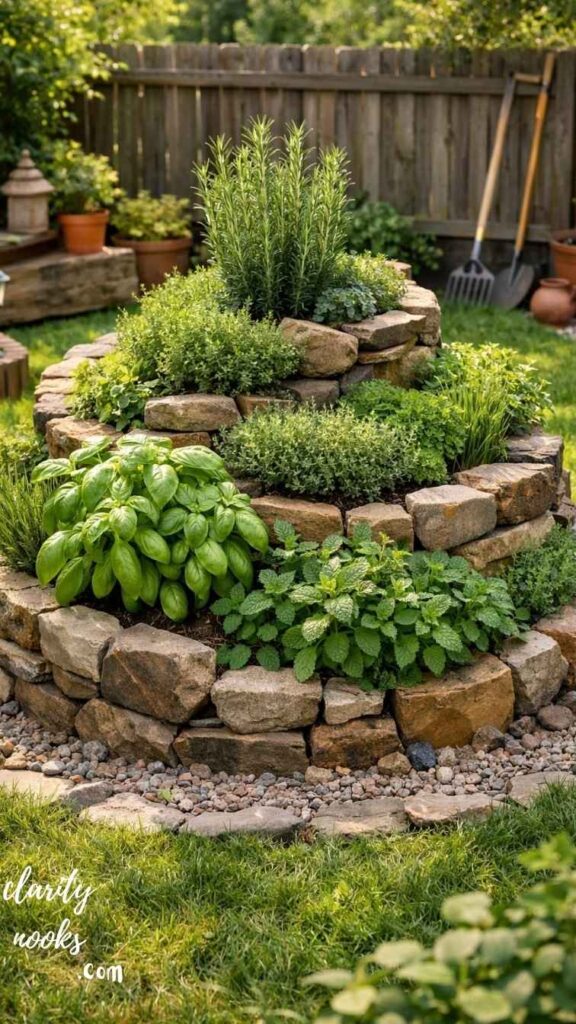
A sensory garden engages not just sight, but smell and touch. Placing fragrant plants near seating areas, pathways, or windows means you interact with the scent daily without trying. Top fragrant choices include lavender, gardenia, old-fashioned roses (not all modern varieties are scented), sweet peas, lily of the valley, and chocolate cosmos which genuinely smells of vanilla and chocolate.
This idea is particularly valuable for people creating therapeutic or accessible outdoor spaces. Research from horticultural therapy programmes consistently shows that fragrance and sensory engagement in the garden reduces stress and improves mood. You don’t need a large garden even three or four fragrant plants near a doorway will transform your experience.
Plant a Themed Cutting Garden in a Single Color
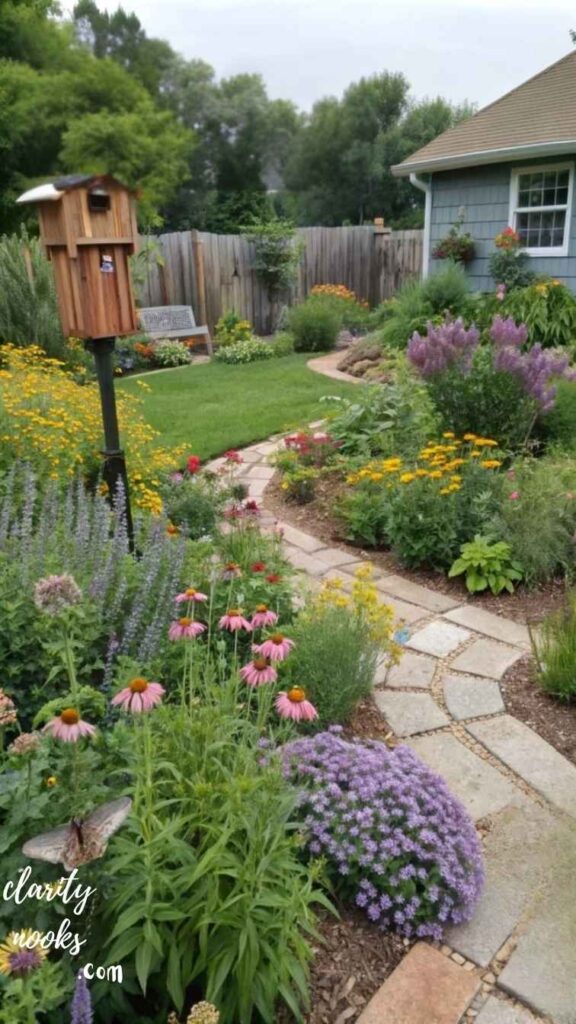
A single-color cutting garden creates a sophisticated, editorial look and avoids the problem of clashing flower colors. An all-white garden works beautifully for weddings and events. An all-orange garden using calendula, marigolds, zinnias, and crocosmia creates a fiery, exotic atmosphere. Single-color designs are also easier to photograph, which matters if you document your garden on social media.
One small-space approach is to dedicate a single raised bed to one color per season, rotating the theme each year. This adds variety to your garden’s story and helps you experiment with different plant families and growing conditions.
Incorporate Edible Flowers Into Your Flower Garden
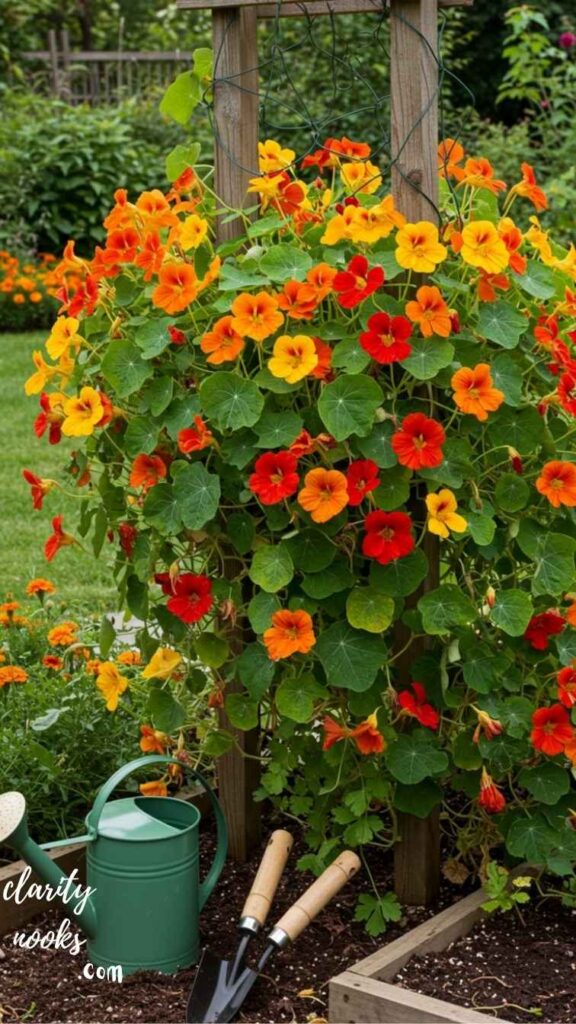
Many beautiful flowers are also edible, and growing them bridges the gap between ornamental and kitchen gardening. Nasturtiums, violas, borage, calendula, and courgette flowers are all delicious and visually stunning. Nasturtiums in particular are incredibly easy to grow, thrive on neglect, and produce vivid orange and red blooms from June until frost.
The food-and-flower overlap is one of the fastest-growing areas in home gardening. Edible flower garnishes now appear regularly in home cooking, and having a garden patch dedicated to them saves significant money compared to buying them from specialty food retailers. It also means your “flower garden” produces something immediately useful every day.
Create a Low-Maintenance Flower Garden with Perennials
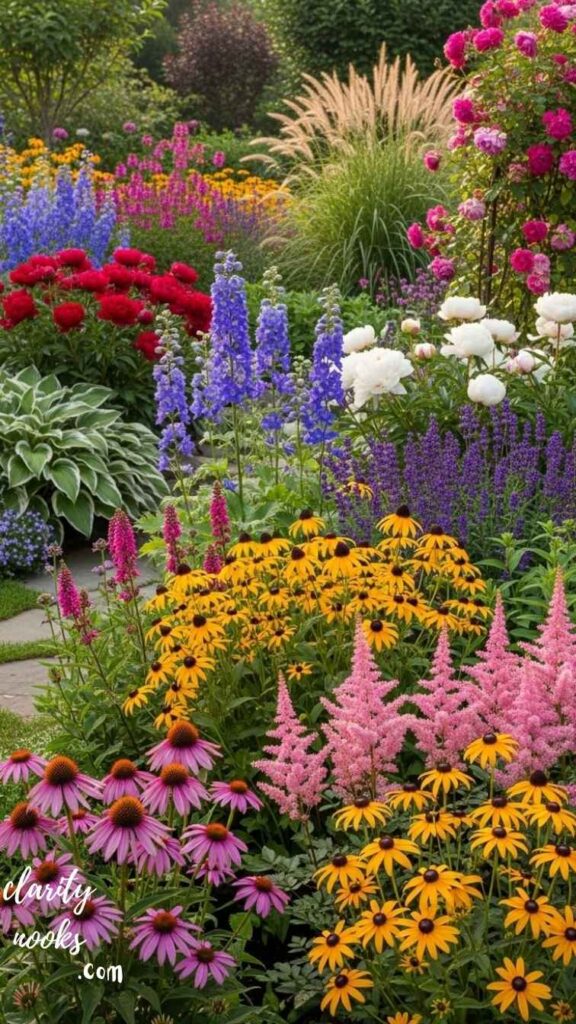
Annuals are beautiful, but perennials are the foundation of a truly low-maintenance DIY flower garden. Perennials come back every year from the same root system, meaning you plant once and enjoy for years. Reliable, long-blooming choices include echinacea, rudbeckia, hemerocallis (day lilies), agapanthus, geraniums (true hardy geraniums, not the tender bedding kind), and salvia nemorosa.
The smart strategy is to build a backbone of 60–70% perennials and fill gaps with 30–40% annuals for colour variety. This ratio gives you year-on-year structure with flexibility to change the look each season. Over a three-to-five year period, your perennials will divide and spread, filling the garden naturally and reducing your annual spend on new plants to almost nothing.
Conclusion:
A beautiful DIY flower garden is absolutely within your reach regardless of your experience level, budget, or space. By choosing the right ideas from this guide, preparing your soil, and thinking about the long term, you’ll create a garden that gets better every single year.
Whether you start with a single container or an entire raised bed, the most important step is the first one. Your DIY flower garden journey starts with one small decision: picking an idea from this list and acting on it this week.
Trend Analysis
Trend Analysis: DIY Flower Gardens in 2026 and Beyond
The home gardening world is shifting quickly. Understanding where trends are heading helps you invest your time and money in approaches that will grow in value not fade out.
2026 Now
Rewilding & native planting
Home gardeners are replacing high-maintenance lawns with native wildflower areas. Driven by biodiversity awareness and drought concerns.
2026 Now
No-dig, no-fuss methods
Charles Dowding’s no-dig philosophy has gone mainstream. Gardeners are avoiding soil disturbance to preserve soil biology and reduce weed germination.
2027 Emerging
AI-assisted garden planning
Apps using AI to generate personalised planting plans based on your location, soil type, and aesthetic preferences are gaining rapid adoption.
2027–2028
Climate-adaptive gardening
As weather patterns shift, gardeners are choosing drought-tolerant and heat-resistant flower varieties. Agastache, salvias, and verbascum are rising fast.
2027–2028
Regenerative soil practices
Composting, worm farming, and biochar use are moving from niche to mainstream as gardeners prioritise soil health over cosmetic appearance.
2028+
Community seed libraries
Local seed-sharing networks are growing rapidly, reducing gardening costs and increasing interest in heritage and rare flower varieties.
Expert Tips & Practical Strategies
These are the insights that separate experienced gardeners from beginners not common knowledge, but hard-won practical wisdom.
- Test your soil pH before planting. Most flowers prefer a pH between 6.0 and 7.0. A simple soil test kit (under £5) tells you instantly whether you need to add lime (to raise pH) or sulfur (to lower it). Ignoring pH is the single most common reason healthy-looking plants fail to thrive.
- Water at the base, not the leaves. Watering foliage encourages fungal disease, especially in humid weather. Use a watering can with a long spout or install drip irrigation at soil level. This also delivers water exactly where roots need it, reducing usage by up to 50%.
- Deadhead weekly, not sporadically. Regular deadheading removing spent blooms signals the plant to keep producing flowers rather than setting seed. Setting a 15-minute weekly deadheading routine extends bloom time by weeks.
- Mulch in spring and again in autumn. A 5cm layer of compost or bark mulch suppresses weeds, retains moisture, and feeds soil organisms. Most gardeners mulch once; mulching twice per year delivers dramatically better results.
- Companion plant with purpose. Marigolds deter aphids from nearby roses. Borage deters tomato hornworm. Lavender repels whitefly. Strategic companion planting reduces pest pressure naturally, eliminating the need for pesticides.
- Label everything. It sounds obvious, but most beginners don’t label their plantings. By mid-summer, you won’t remember what you planted where. Use wooden lollipop sticks with waterproof marker cheap, biodegradable, and effective.
Mini case study
From bare lawn to full flower garden in one season Sarah, Leeds
Sarah converted a 12-square-metre patch of tired grass into a thriving mixed flower garden over a single spring and summer. Her approach: she laid cardboard over the grass (no-dig method), topped it with 20cm of homemade compost, and planted directly into it. She spent £60 total on seeds and plug plants, choosing a mix of perennials and annuals weighted toward a pink-and-purple palette.
By August, the bed was so full it required no weeding the plants had outcompeted any weed seedlings. The following year, her perennials returned and self-seeded annuals filled the gaps for free. Her total second-year cost: £0.
Long-Term Strategy:
Building a Sustainable Flower Garden
The most beautiful gardens you see in books and online didn’t happen in one season. They were built gradually, with a long-term framework that allowed natural evolution. Here’s how to think about the long game.
Start by establishing permanent structural plants first shrub roses, ornamental grasses, or large perennials. These become the anchors of your garden. Fill around them with medium-term perennials that will spread slowly, and use annuals to fill gaps while the permanent plants establish. This three-layer approach means your garden is always improving rather than starting over each year.
From a cost perspective, the payoff is significant. Research from the Royal Horticultural Society suggests that a garden built primarily on perennials and self-seeding annuals costs 70% less to maintain after year three than a garden replanted with annuals every spring. The upfront investment in quality perennial plants and good soil preparation is a long-term financial decision as much as an aesthetic one.
Future Predictions
Future Predictions & Innovations in DIY Flower Gardening
The next decade will bring meaningful change to how home gardeners plan, grow, and maintain their flower gardens. Several innovations are already entering the mainstream.
AI planting assistants are becoming genuinely useful. Tools that combine your postcode, soil data, and aesthetic preferences to generate month-by-month planting plans represent a real step forward for beginner gardeners who don’t yet have the knowledge base to plan confidently themselves. Expect these tools to become significantly more sophisticated by 2027–2028.
Biodiverse, functional design is also accelerating. Future garden design is less about purely ornamental value and more about ecological contribution carbon sequestration, water management, and food production alongside beauty. The best DIY flower gardens of the near future will likely integrate food plants, pollinator habitat, and rain gardens into a single cohesive space. This is already happening in leading community garden projects worldwide.
Common Mistakes & Hidden Gaps Most Guides Miss
Most beginner guides tell you what to plant. Fewer tell you what goes wrong. These are the actual mistakes that produce disappointing results.
Mistake: Planting too densely in year one: Plants look sparse in spring but fill in dramatically by summer. Overcrowding leads to disease, competition for water, and an entangled mess.
Fix: Follow spacing guidelines on seed packets strictly. Gaps in spring are normal and healthy. Fill with annual seeds rather than cramming in extra permanent plants.
Mistake: Choosing plants purely by appearance at the garden centre: Many impulse buys fail because the plant isn’t suited to your soil type, light conditions, or climate zone.
Fix: Do 5 minutes of research before buying any plant. Check RHS Plant Finder or a similar resource for your plant’s specific needs. Match to your actual conditions, not the ideal ones.
Mistake: Giving up after the first failure: Even experienced gardeners lose plants regularly. A 70–80% success rate is excellent. Many plants that seem dead in spring dahlias especially simply need longer to emerge.
Fix: Adopt a “wait and see” approach before assuming a plant has died. Mark bulb and tuber locations in autumn so you don’t disturb them in spring. Patience is a legitimate garden skill.
Mistake: Neglecting the soil Most garden soil is deficient in organic matter. Planting directly into unamended clay or sandy soil produces poor results regardless of what you plant.
Fix: Add compost before every new planting, ideally at least 10cm deep. Make your own from kitchen waste or buy in bulk a cubic metre of compost costs less than a few bags of plug plants and transforms your entire garden.
Rameen Zara is the founder of Clarity Nooks, bringing over five years of experience in home décor and interior styling. She shares simple yet practical design ideas that suit real homes and everyday living. Her approach focuses on cozy aesthetics, soft color palettes, and natural textures that create warm, inviting spaces.