DIY Entryway Decor Ideas That Make a Stunning First Impression

Your entryway is the first thing guests see and the last thing you notice before you leave the house stressed and late. Most people treat it as a dumping ground for shoes, bags, and unopened mail. But here’s the truth: a well-designed entryway sets the emotional tone for your entire home. The good news? You don’t need a designer or a big budget. With the right DIY entryway decor ideas, you can create a space that feels intentional, welcoming, and completely yours in a weekend or less.
This guide goes beyond the usual “add a mirror and call it done” advice. You’ll find ten deeply practical, experience-driven ideas including ones that solve real organizational nightmares along with trend analysis, expert insights, and mistakes to avoid.
The Psychology of First Impressions at Home
Interior designers often call the entryway the “decompression zone.” It’s where your mindset shifts from the outside world to the private one. A cluttered, chaotic entryway actually increases cortisol levels that’s the stress hormone because your brain registers disorder before you’ve even set down your keys.
A 2023 survey by the National Association of Home Builders found that functional entryways ranked in the top five must-have features for homebuyers. Buyers weren’t looking for grand foyers; they wanted organized, purposeful spaces. That tells you something important: even small entryways can deliver enormous value.
The challenge most homeowners face isn’t a lack of style idea it’s balancing aesthetics with function. A beautiful entryway that has nowhere to put your umbrella or dog leash fails in real life. The ideas below solve both problems simultaneously.
Build a DIY Shiplap Accent Wall for Instant Character
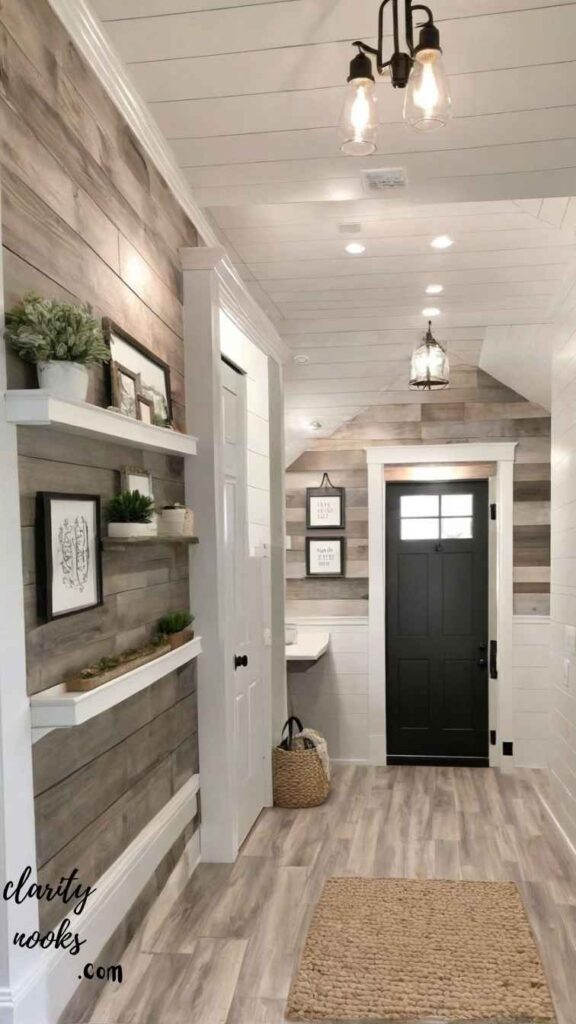
A shiplap accent wall transforms a flat, boring entryway into something architecturally interesting and it costs a fraction of what a contractor would charge. You can use pre-primed pine boards from any hardware store, cut them to size, and nail them horizontally to your wall with a small gap between each board for that classic look.
Real-life example: A homeowner in Austin, Texas documented this project on a popular home improvement blog. Using $120 worth of lumber and two weekend afternoons, she created a shiplap wall behind her entryway bench. The result looked like something from a design magazine and added measurable appeal when she sold her home a year later.
Paint it white for a farmhouse feel, navy for something bold, or leave it natural for a warm, organic look. The key is consistency extend it floor-to-ceiling on one wall rather than doing a partial treatment, which can look unfinished.
Must Read: DIY Door Painting Ideas for a Modern, Stylish Look Without Spending Much
Create a Functional DIY Drop Zone with Command Hooks and a Floating Shelf
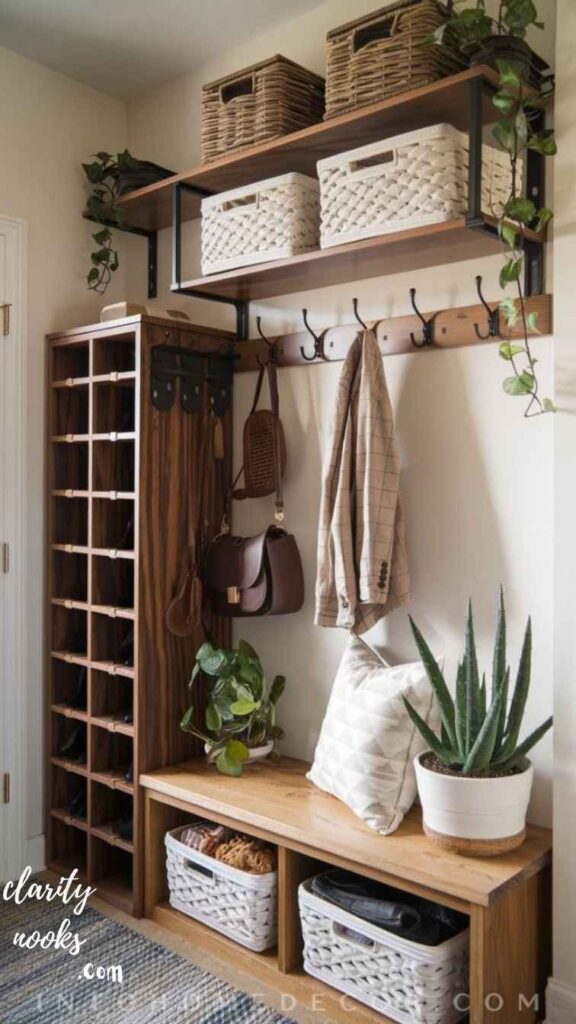
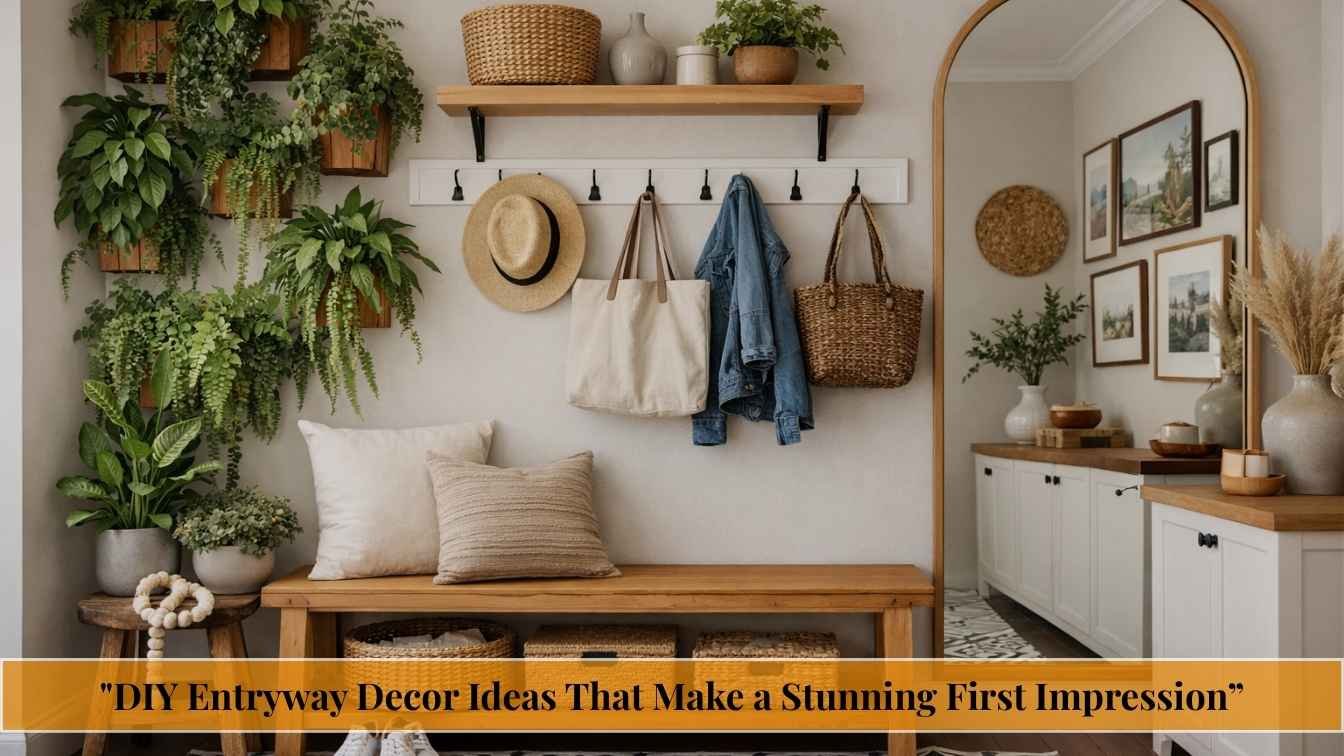
The “drop zone” concept solves the number-one entryway problem: stuff landing everywhere. A simple floating shelf at eye level paired with a row of sturdy hooks below it creates an organized system for bags, hats, keys, and jackets without requiring carpentry skills.
Mount three to five large command hooks at varied heights so different family members can reach them comfortably. Add a small floating shelf above for a decorative tray, a small plant, or a framed photo. Below the hooks, slide in a slim wooden crate or wicker basket for shoes.
This setup costs under $50 and takes about two hours. The secret sauce is the tray on the shelf it corrals small items like sunglasses and earphones that otherwise scatter everywhere. Use a tray with low sides so it looks intentional rather than messy.
Read More: DIY Front Porch Ideas to Create a Cozy Outdoor Space Fast
Repurpose an Old Ladder as a Rustic Coat Rack
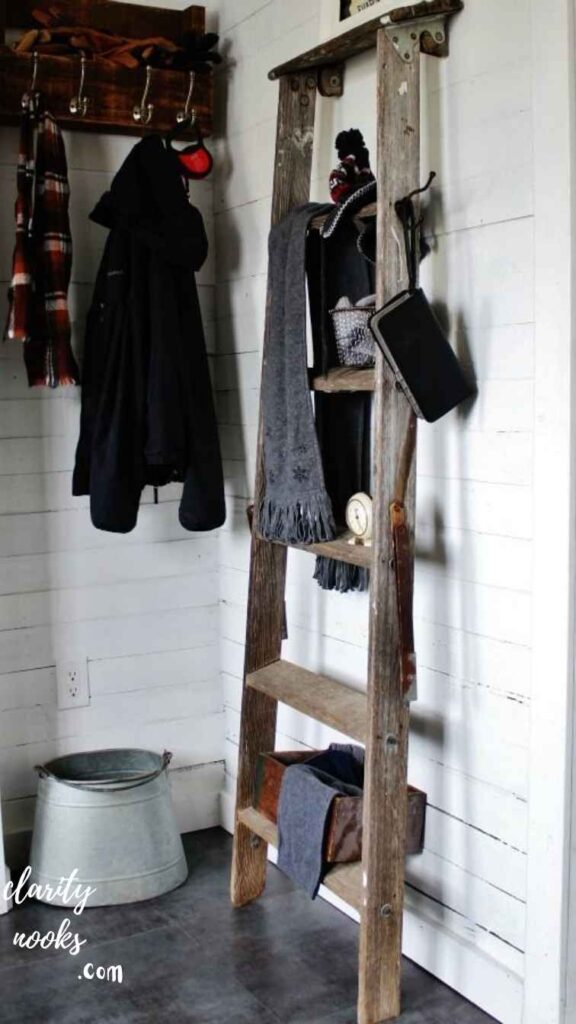
Vintage wooden ladders are everywhere at thrift stores and estate sales, usually priced between $10 and $30. When leaned against an entryway wall and fitted with S-hooks on each rung, they become beautiful, textural coat racks with serious personality.
Sand the ladder lightly, apply a coat of wood stain or chalk paint in a color that complements your walls, then hang it at a slight angle against the wall. Add a few wrought-iron S-hooks on the upper rungs for coats and bags. Lower rungs can hold a canvas tote or even a small blanket basket.
The beauty of this idea is that it’s completely renter-friendly no wall damage, no drilling. A reader on a popular DIY forum shared that she paired her ladder rack with a small vintage mirror and a jute rug, creating an entryway that guests consistently compliment as looking “curated.”
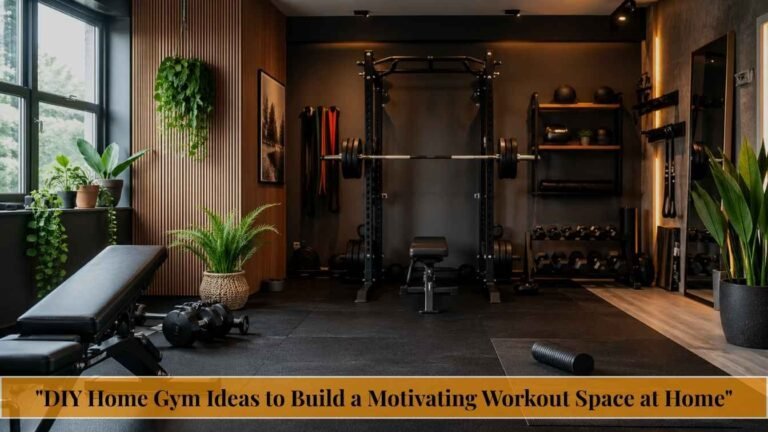
Don’t Miss: DIY Home Gym Ideas to Build a Motivating Workout Space at Home
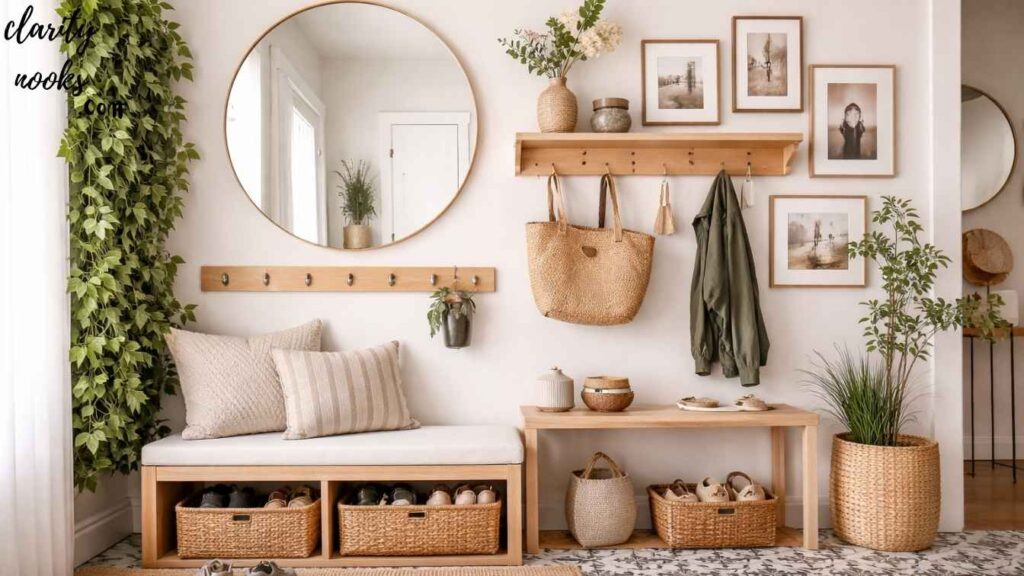
DIY Peg Rail: The Scandinavian Secret to Clean Entryways
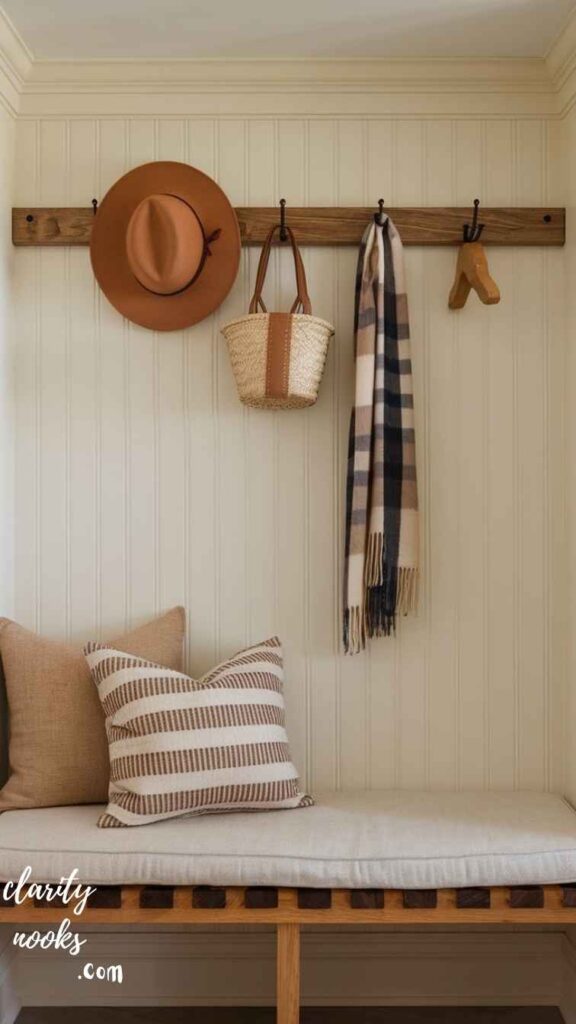
Peg rails long wooden boards with evenly spaced wooden pegs are a staple in Scandinavian and farmhouse-style homes. They’re incredibly easy to make and provide a clean, linear look that works in both modern and traditional spaces.
Cut a 1×4 pine board to your desired length (usually 36–48 inches for a single-wall entryway). Sand it smooth, then drill evenly spaced holes at a slight upward angle. Insert Shaker-style wooden pegs with wood glue, let it cure overnight, and mount the entire piece to your wall with two screws into wall studs.
Paint it the same color as your wall for a subtle, built-in look, or paint it a contrasting color to make it a feature. This project costs roughly $25–$40 and takes one afternoon. Unlike individual hooks, the peg rail creates a sense of intentional design rather than patchwork solutions.
Don’t Skip: Smart DIY Home Exterior Ideas to Improve Style and Function
Frame a Large Mirror to Expand Small Entryways Visually
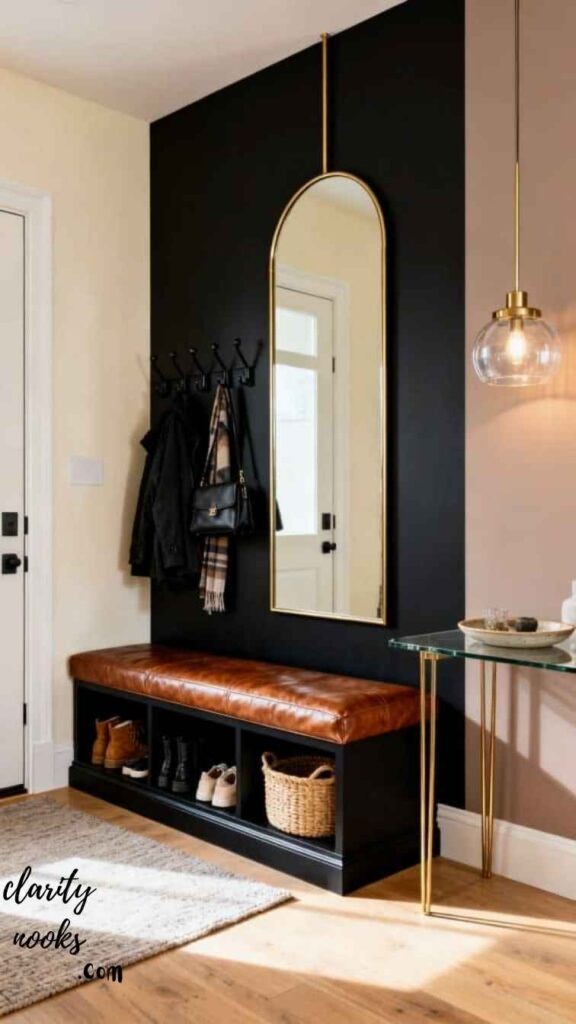
A large mirror in the entryway is one of the oldest design tricks for good reason it bounces light, makes the space feel twice as big, and gives you a final outfit check before you leave. But buying a pre-framed mirror can be expensive. Instead, buy an unframed mirror blank and DIY the frame.
Use thin wood molding from the hardware store, cut it at 45-degree angles, and glue or nail it to the mirror’s edge. Spray paint the frame in gold, matte black, or antique white. The total cost? Usually $40–$70 versus $200+ for a retail version.
Mini case study: A couple in a Chicago apartment had a narrow 5-foot entryway that felt claustrophobic. They mounted a 24×36-inch DIY-framed mirror opposite the window, and combined with light-colored paint, the entryway felt immediately more open. They also added a small hook on the side of the mirror frame for keys a clever detail that adds function without clutter.
Install DIY Open Shelving for Display + Storage
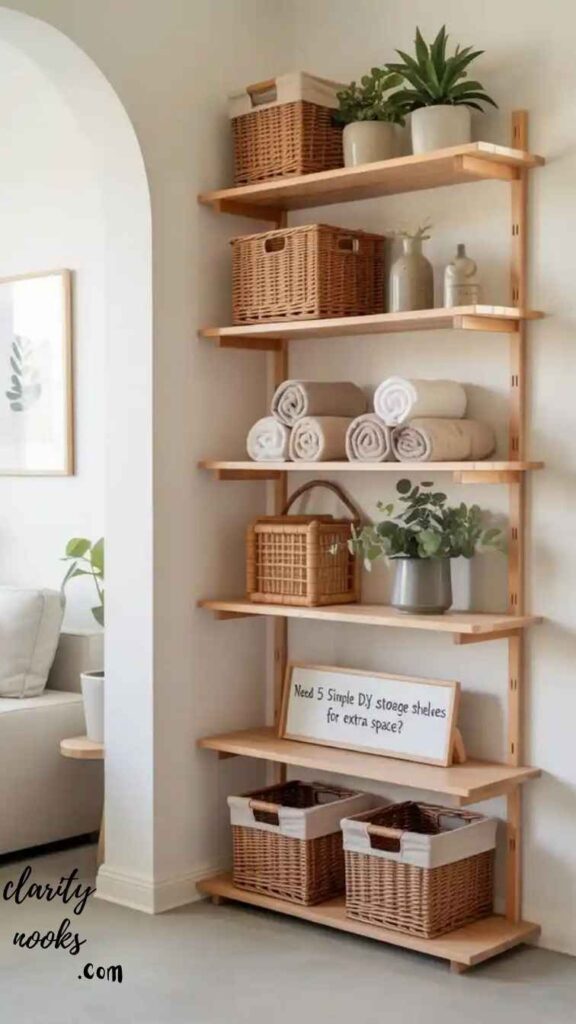
Open shelves in an entryway serve double duty: they display meaningful objects and store practical items. The key is thoughtful curation one or two plants, a decorative bowl for keys, a candle, and a book or two. Avoid the temptation to fill every inch.
Use floating shelf brackets from a hardware store and choose a wood that matches your existing furniture or floors. Walnut-stained shelves feel warm and modern; white-painted shelves feel clean and classic. Install two shelves at staggered heights rather than identical ones side by side it creates visual movement.
The mistake most people make with open shelving is treating it like a storage closet. Treat it like a display cabinet instead. Everything on the shelf should be either beautiful, functional, or both. Rotate seasonal items a small pumpkin in fall, a pine cone arrangement in winter to keep it feeling fresh year-round.
DIY Entryway Bench from Repurposed Wood Crates
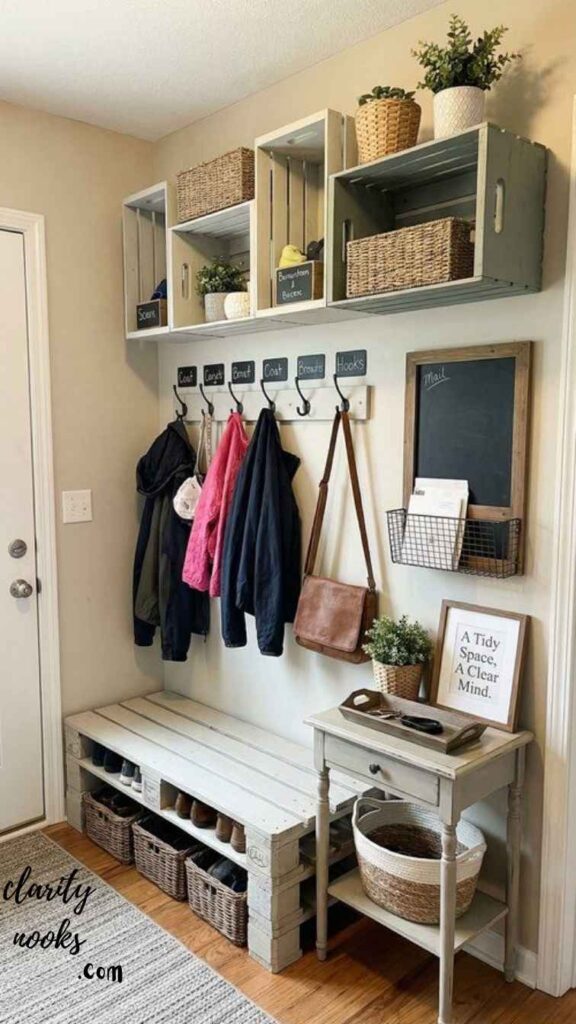
An entryway bench provides seating for putting on shoes and hidden storage two things almost every home needs. Building one from wooden crates requires no advanced skills and costs about $40–$60 for a sturdy, attractive result.
Buy three or four matching wooden wine crates or milk crates from a craft store or online. Sand them lightly, paint or stain them to match your palette, then mount them together using wood screws two side by side, one on top if you want a backrest effect. Finish with a simple cushion cut from foam and wrapped in your choice of fabric.
Add hairpin legs underneath for a mid-century modern look, or leave it low for a more casual aesthetic. The crates inside become perfect storage for scarves, gloves, dog leashes, or reusable shopping bags. This is one of those projects that looks far more expensive than it actually is.
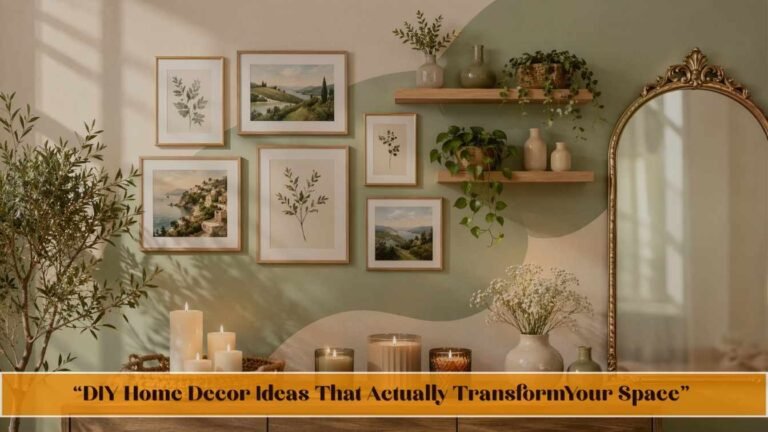
Create a DIY Gallery Wall with a Wayfinding Theme
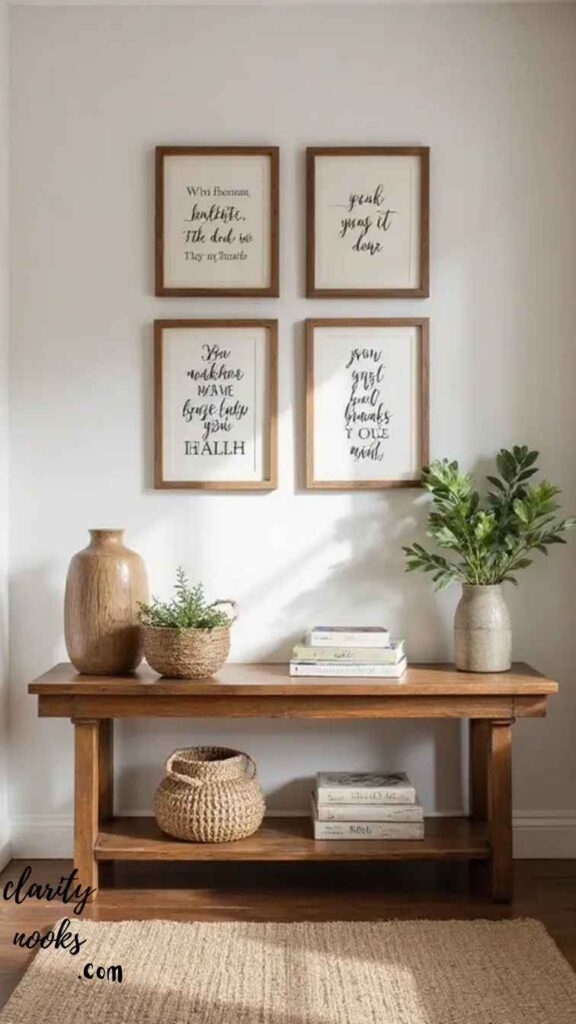
Most gallery walls live in living rooms. Placing one in your entryway themed around your family’s story, travels, or values creates an immediate emotional connection for anyone who enters your home.
Choose a mix of frame sizes in one consistent finish (all black, all gold, or all natural wood). Include a mix of photos, small art prints, and meaningful objects like a pressed leaf from a memorable hike or a postcard from a trip. The “wayfinding” theme means incorporating at least one map, compass print, or travel-themed element to anchor the collection.
Arrange everything on the floor first before putting anything on the wall. Photograph the arrangement on your phone for reference. Use painter’s tape to mark where frames will hang. The planning stage is what separates a gallery wall that looks thoughtfully curated from one that looks haphazardly assembled.
Add DIY Stenciled Tile or Floor Pattern for a Designer Look
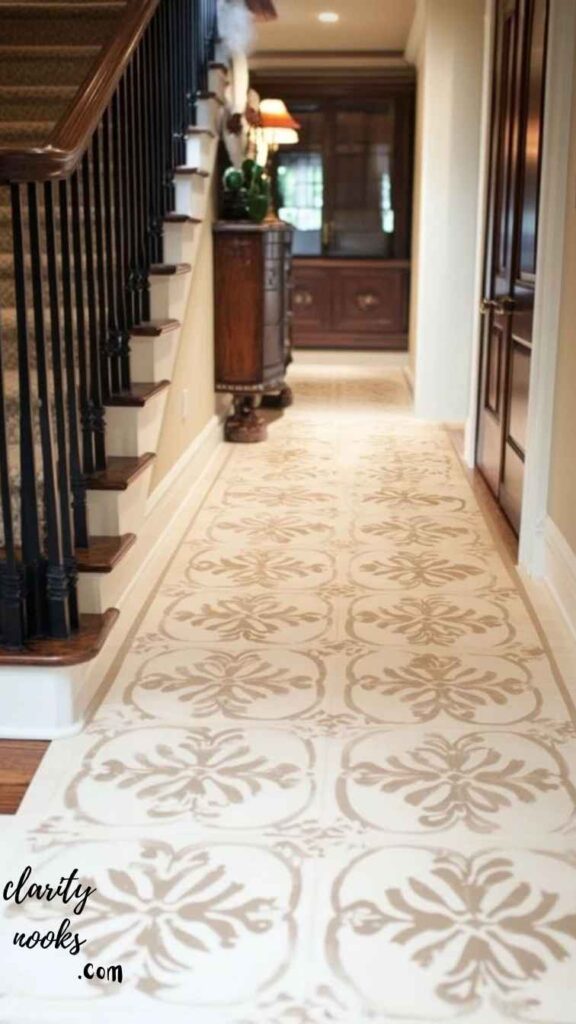
Your entryway floor is prime real estate that most people completely ignore. A stenciled pattern either directly on hardwood, concrete, or over existing tile can completely transform the feel of the space for under $30.
For hardwood or concrete: use a geometric or Moroccan-style stencil (widely available on Etsy and Amazon), tape it down, and apply floor paint with a foam roller in a contrasting color. Seal with a clear polyurethane coat for durability. This takes a weekend and holds up well with proper sealing.
For tile that you can’t replace: use tile stickers or a combination of stencils with chalk-finish paint. Several homeowners have used this technique to cover dated beige tile with a bold geometric pattern, achieving a result that visitors genuinely assume cost thousands in renovation. The floor becomes a statement piece that everything else complements.
Incorporate Living Elements with a DIY Plant Wall or Vertical Garden
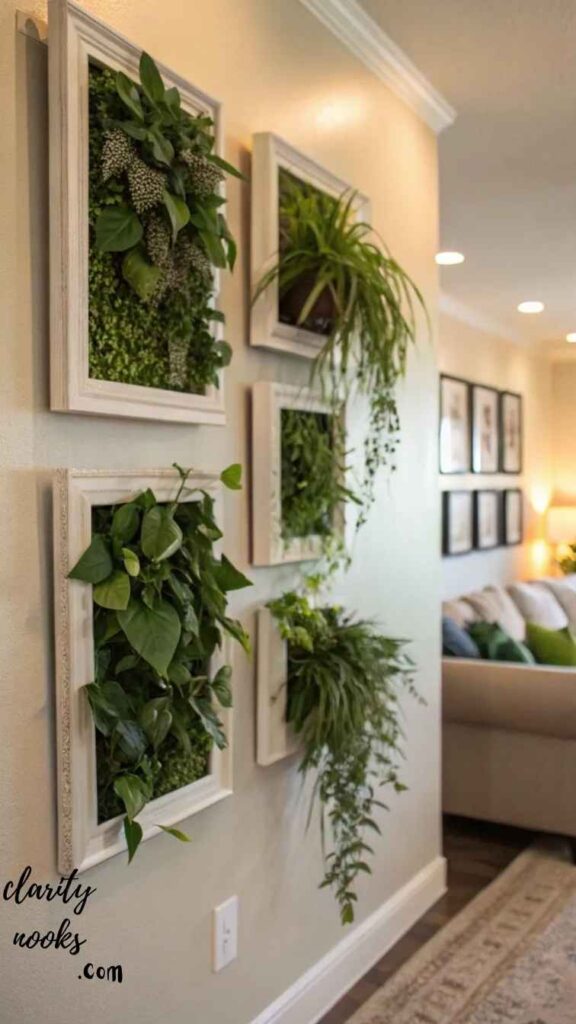
Bringing greenery into your entryway instantly makes it feel alive, fresh, and welcoming. A vertical plant arrangement even a small one adds dimension and biophilic appeal that no amount of decor can replicate.
Build a simple plant wall by mounting three to five small wooden shelves at varying heights on one wall, each holding a trailing plant like pothos, heartleaf philodendron, or a small fern. Alternatively, use macramé plant hangers at different lengths from a single curtain rod mounted near the ceiling.
Choose low-light tolerant plants since entryways often have limited natural light. Pothos, ZZ plants, and snake plants all thrive in these conditions. The trailing effect of hanging plants draws the eye upward, making low ceilings feel higher and narrow entryways feel more expansive. Add a small grow light disguised as a pendant lamp if your entryway is particularly dark.
Conclusion
DIY Entryway Decor Ideas can truly change how your home feels from the very first step. A simple, clean, and well-decorated entry makes a strong first impression. Small changes like adding hooks, mirrors, or plants can bring both beauty and function. You do not need a big budget to create a warm and welcoming space. Just use your creativity and choose items that match your style.
In the end, DIY Entryway Decor Ideas help you turn a simple area into something special. They make your home feel more organized and inviting every day. Try easy projects and enjoy the process of decorating your space. Your entryway can reflect your personality and give a cozy vibe to everyone who enters your home.
Trend Analysis
Entryway Decor in 2026 and Beyond
What’s Driving Change Right Now
The dominant trend in entryway design for 2026 is what designers are calling “functional minimalism with warmth.” Homeowners are rejecting the stark, cold minimalism of the 2010s in favor of spaces that feel edited but not empty think natural textures, earthy tones, and meaningful objects rather than purely decorative ones.
Biophilic design (incorporating natural elements like plants, wood, and stone) has moved from a niche concept to mainstream expectation. A 2025 Houzz survey found that 68% of homeowners undergoing entryway renovations included at least one natural material as a focal point up from 41% in 2022.
The Next 2–3 Years
Over the next few years, expect three shifts to accelerate. First, smart storage integration entryways with built-in phone charging stations, key finders, and package drop zones will become a standard feature rather than a luxury. Second, personalized wayfinding art (custom maps, family crests, and location-based prints) will replace generic botanical prints as the default wall art choice. Third, sustainable and reclaimed materials will move from trend to expectation, with shoppers actively seeking DIY projects that use salvaged wood, upcycled fixtures, and non-toxic finishes.
Practical Tips & Expert Insights
Scale is everything: The single biggest mistake in entryway decor is choosing furniture and decor that’s too small. A tiny mirror on a large wall looks awkward. Choose pieces that fill at least two-thirds of the wall height or width they occupy.
Lighting transforms everything: Most entryways rely on one overhead light that creates harsh shadows. Add a secondary light source a plug-in sconce, a table lamp on a shelf, or a pendant to create layered, welcoming light.
Scent is underrated: Interior designers know that scent is processed before vision. A subtle reed diffuser or a soy candle near the entryway creates a sensory first impression that visitors remember even if they can’t explain why your home feels so welcoming.
The 30-second test: Stand in your entryway for 30 seconds and note what your eyes land on repeatedly. If it’s clutter, that’s what guests see too. Design the space so the eye lands on something intentional a beautiful mirror, a plant, or a piece of art.
Consider traffic flow: The best-looking entryway that creates a bottleneck for people moving in and out has failed at its primary job. Measure your traffic pattern and ensure furniture placement allows two people to comfortably pass each other.
Long-Term Strategy & Sustainability
Building an Entryway That Ages Well
The smartest long-term approach to entryway design is building in flexibility. Use paint rather than wallpaper for accent walls it’s easy to update as your taste evolves. Choose hooks and hardware in classic finishes (matte black, brushed brass, or oil-rubbed bronze) rather than trendy ones that date quickly.
Invest in high-quality structural elements a well-built bench, solid shelving, real wood and save money on decorative accessories that you’ll want to swap out seasonally. This “invest in bones, budget for accessories” philosophy means your entryway always feels current without requiring a full overhaul every few years.
Sustainability in Materials
Choosing reclaimed wood, secondhand furniture, and low-VOC paints isn’t just environmentally responsible it also produces entryways with more character and authenticity than anything bought new. Thrift stores, Facebook Marketplace, and estate sales are extraordinary sources for unique pieces that can’t be replicated. A $15 vintage coat rack from an estate sale has a story and a patina that no new product can match.
Future Predictions & Innovations
How Technology Will Reshape Entryway Design
The entryway is quietly becoming the most technologically integrated space in the home. Smart locks, video doorbells, package lockers, and wireless charging surfaces are already common. Within three to five years, expect AI-assisted home systems to use entryway sensors to automate lighting scenes, temperature adjustments, and even music selections based on who enters the home.
From a decor standpoint, this means the entryway will need to accommodate more technology gracefully. The design challenge and opportunity will be integrating these functional tech elements without creating an entryway that looks like a security office. Expect a surge in demand for furniture with hidden cable management, wireless charging surfaces disguised as wooden trays, and smart speakers built into architectural elements like shelving.
AI’s Role in DIY Design
AI design tools are already helping homeowners visualize room changes before committing to them. Apps like Roomstyler and newer AI-powered tools allow you to photograph your entryway and virtually test different decor configurations, paint colors, and furniture arrangements. This is dramatically reducing the “I painted the wrong color” and “that bench is too big” mistakes that have historically made DIY projects frustrating.
Common Mistakes & Hidden Gaps
Mistakes Beginners Make
Ignoring vertical space.
Most beginner entryway decorators work from eye level down. The space between the top of your furniture and the ceiling is valuable real estate use it with tall plants, stacked art, or high-mounted shelves.
Buying a rug that’s too small.
This is the most common entryway mistake. A rug should be large enough that everyone stepping inside lands on it not a tiny mat that one person stands on awkwardly. Size up consistently.
Overlooking the back of the front door.
The inside of the front door is an often-wasted surface. Over-the-door organizers, a mounted hook, or even a small chalkboard can turn this space into a functional asset.
Mistakes Intermediate Decorators Make
Over-styling.
Once you develop an eye for design, the temptation is to add more. Entryways need breathing room. If every surface has something on it, the space feels busy rather than curated. Edit ruthlessly.
Matching too perfectly.
Perfectly matched sets of hooks, furniture, and accessories look like a showroom rather than a home. Mix materials and slightly different wood tones for a collected, authentic look.
Neglecting acoustics.
Hard floors and bare walls create echo and noise in entryways. A rug, a fabric-upholstered bench cushion, and even a woven wall hanging all absorb sound and make the space feel softer and more welcoming a detail that’s almost never mentioned in DIY guides.
FAQ’S About DIY Entryway Decor Ideas
What is the easiest DIY entryway decor idea?
A The easiest DIY entryway decor idea is a drop zone using a floating shelf and command hooks. It requires no carpentry skills, costs under $50, and takes about two hours to install.
How do I make my small entryway look bigger?
A To make a small entryway look bigger, hang a large mirror opposite the main light source, use light paint colors, choose furniture with legs (rather than floor-to-ceiling pieces), and keep surfaces uncluttered.
What should every entryway have?
A Every entryway should have a place to hang coats and bags, a spot for shoes, a mirror, adequate lighting, and a small surface to place keys and small items.
Rameen Zara is the founder of Clarity Nooks, bringing over five years of experience in home décor and interior styling. She shares simple yet practical design ideas that suit real homes and everyday living. Her approach focuses on cozy aesthetics, soft color palettes, and natural textures that create warm, inviting spaces.