DIY Home Decoration Ideas to Add a Personal Touch to Your Space

Here’s a truth most design blogs skip: your home doesn’t need a renovation budget to feel beautiful. It needs intention. Millions of homeowners are stuck in the same trap scrolling Pinterest for hours, feeling inspired for five minutes, then doing absolutely nothing because it all looks too expensive or too complicated.
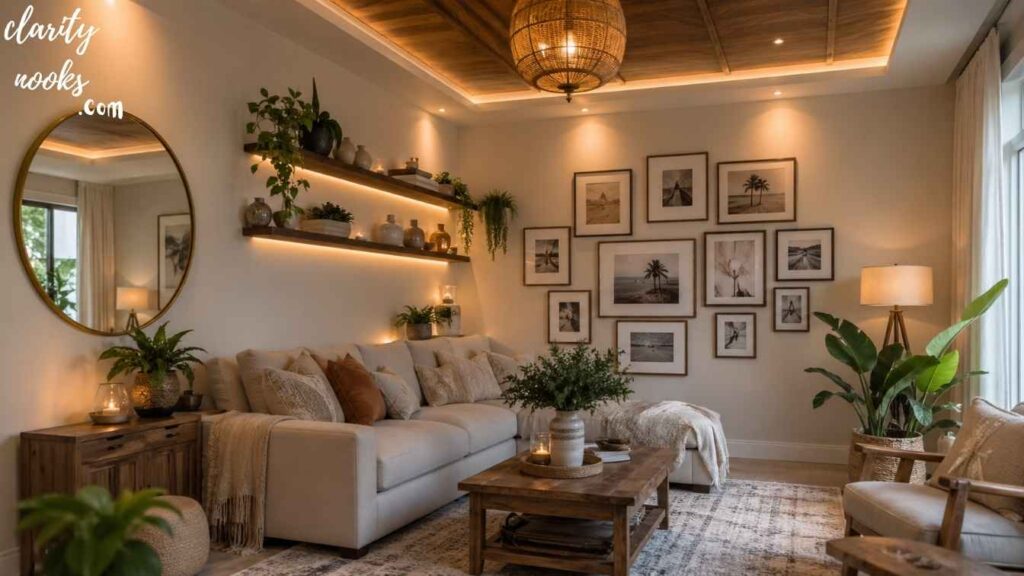
This guide breaks that cycle. These 10 DIY home decoration ideas are rooted in real design principles, tested in real homes, and achievable on real budgets. Whether you’re renting a studio or redesigning a family home, you’ll find something here that genuinely moves the needle without calling a contractor or maxing a credit card.
Build a Gallery Wall That Actually Tells Your Story
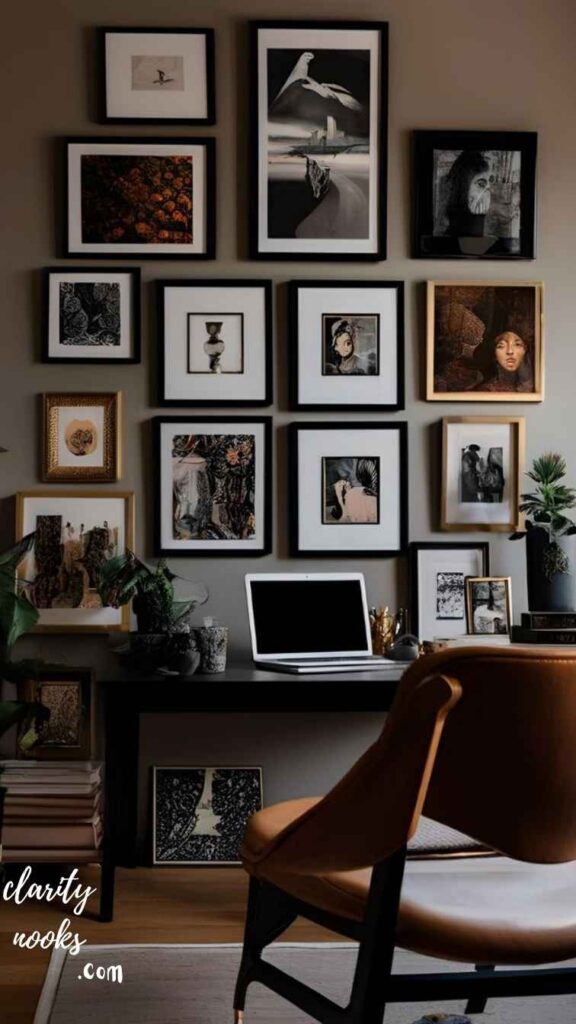
A gallery wall is one of the most powerful and most misunderstood DIY home decoration ideas out there. Done wrong, it becomes a random jumble of frames. Done right, it becomes the centerpiece that every guest gravitates toward. The secret isn’t the frames; it’s the curation.
Start by choosing a unifying thread. This could be a color palette (all black-and-white photography), a subject (botanicals, travel memories, abstract art), or a frame style (all brass, all natural wood). Within that thread, you have total creative freedom. Mix print sizes dramatically a large 20×24 paired with a 4×6 creates visual tension that feels intentional.
Real-Life Scenario
Sarah, a Chicago renter, spent $47 total on her gallery wall: six IKEA RIBBA frames, three prints downloaded from free design sites, two family photos, and one vintage postcard. She used painter’s tape to mock up the layout on the floor first. The result? Multiple visitors asked if she’d hired a decorator.
How do you arrange a gallery wall?
Lay all frames on the floor first. Find a visual anchor (usually your largest piece) and build outward. Maintain 2–3 inches between frames. Use a level for each row. Start hanging from the center and work outward to keep balance.
Must Read: DIY Kitchen Lighting Ideas to Make Your Kitchen Look Modern and Warm
The Statement Ceiling
The Decoration Trick Nobody Thinks Of
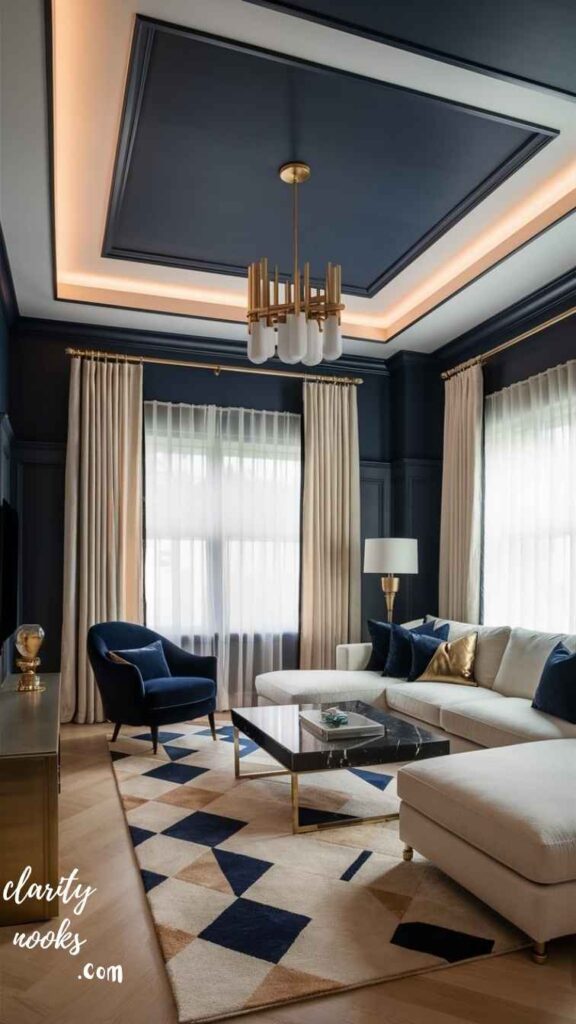
The ceiling is the one surface in your home that never gets touched. Interior designers call it “the fifth wall” and the moment you start treating it that way, your rooms instantly feel more intentional and sophisticated. A statement ceiling is one of the DIY home decoration ideas that dramatically outperforms its effort-to-impact ratio.
You don’t need to paint the entire ceiling a dark, dramatic color (though that’s stunning if you’re bold). Instead, consider a peel-and-stick geometric pattern, a strip of crown molding in a contrasting color, or even a canopy of fairy lights from a central hook. For bedrooms, fabric draped from ceiling to headboard creates a romantic focal point that costs under $40 in sheer curtain panels from any home store.
Pro Tip
Painting your ceiling the same color as your walls rather than the standard white makes a room feel taller and more cohesive. Designers call this “color drenching.” It’s especially effective in small spaces like powder rooms and home offices.
Read More: Creative DIY Kitchen Nook Ideas That Make Your Kitchen Feel Warm and Inviting
Architectural Plant Styling
Beyond the Windowsill Pot
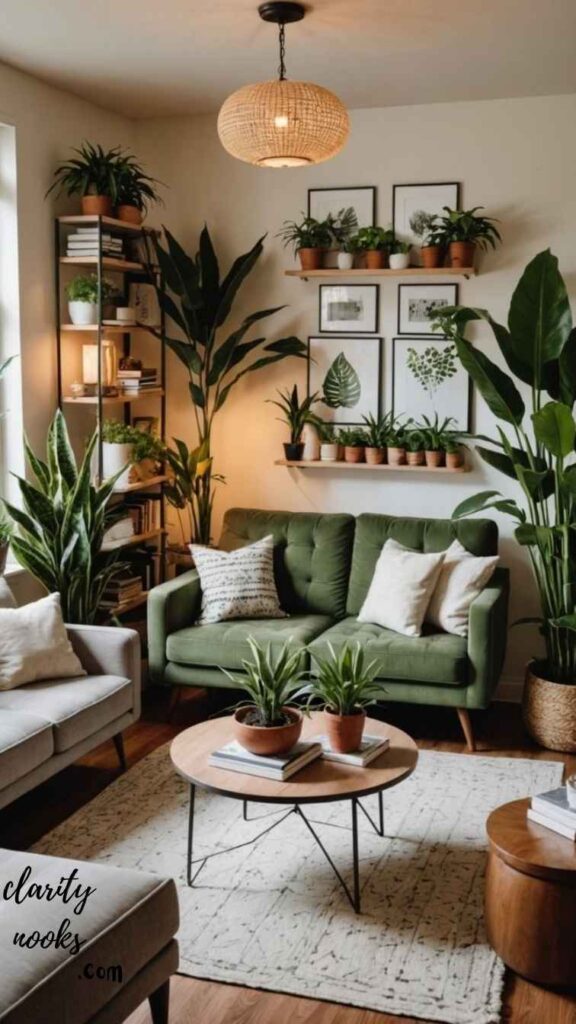
Plants are one of the most powerful DIY home decoration tools available and yet most people use them wrong. Placing a single small succulent on a shelf doesn’t transform a room. Grouping plants strategically, using height variation, and treating them as structural elements does.
Think architecturally. A floor-to-ceiling fiddle leaf fig in the corner of a living room doesn’t just add greenery it anchors the space and draws the eye upward. A trailing pothos cascading from a high shelf fills vertical space in a way no artwork can replicate. Group three plants of drastically different heights together to create an “indoor garden” effect. Use planters that match your palette terracotta, concrete, and matte black all work beautifully against neutral walls.
📊
Why This Works
NASA studies on indoor air quality and multiple biophilic design studies show that plants reduce perceived stress in a space and increase feelings of calm and comfort. Beyond function, rooms with intentional plant styling consistently score higher on “inviting” and “lived-in” perception studies.
Best Plants for Low-Light Apartments
Not every room gets ideal sun. Fortunately, pothos, snake plants, ZZ plants, and peace lilies all thrive in indirect or low light. For high-impact drama without sunlight demands, a large snake plant (Sansevieria) in a striking tall planter punches well above its price point.
Don’t skip: DIY Small Kitchen Ideas to Make Cooking Spaces More Functional
Layered Lighting
The Fastest Room Transformation Available
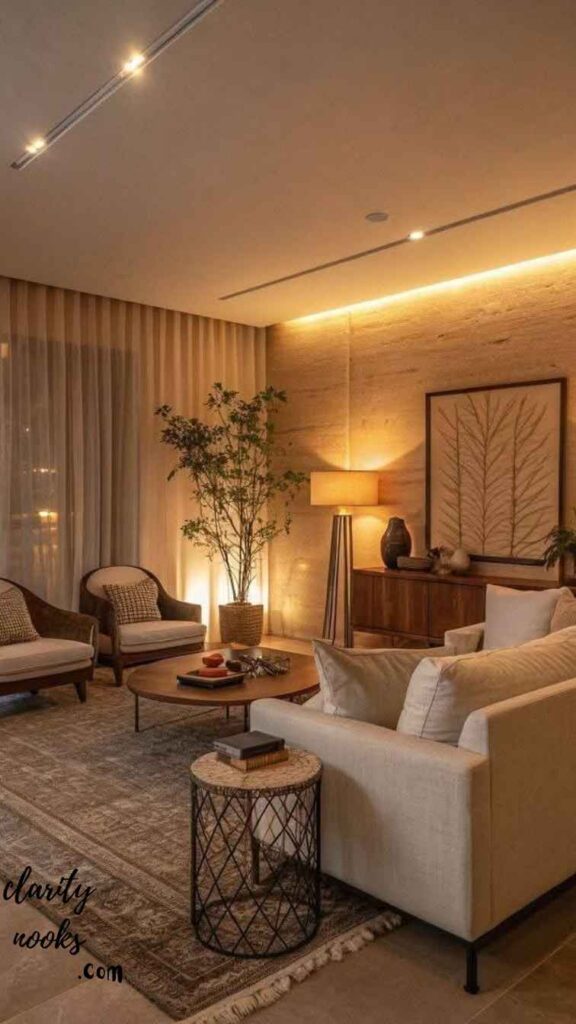
Lighting is the single most impactful and most overlooked element in DIY home decoration. Relying solely on overhead lighting is what makes rooms feel flat, cold, and institutional. The solution? Layering. Interior designers use three distinct light layers in every room: ambient (overhead), task (functional), and accent (decorative).
You can add all three layers without touching electrical wiring. A plug-in pendant light over a dining table creates overhead drama. A floor lamp beside your reading chair handles task lighting. A string of warm Edison lights over a bookcase or behind a TV adds accent warmth. The key is switching from cool white bulbs (5000K) to warm bulbs (2700–3000K). This one change costs under $15 and immediately makes your home feel more welcoming.
- Audit your current lighting. Walk through each room at night. Note where the light feels harsh or flat. That’s your starting point.
- Add a floor or table lamp. One warm lamp in a previously unlit corner changes the entire mood of a room instantly.
- Swap your bulbs. Replace any cool-white overhead bulbs with 2700K warm-white options. The difference is immediate and dramatic.
- Add a dimmer switch. Most overhead lights are compatible with standard dimmer switches. This $18 upgrade gives you complete mood control.
Also Read: DIY Small Bathroom Ideas to Make Your Bathroom Feel Spacious
The Thrift-Flip
Transform Secondhand Finds into Statement Pieces
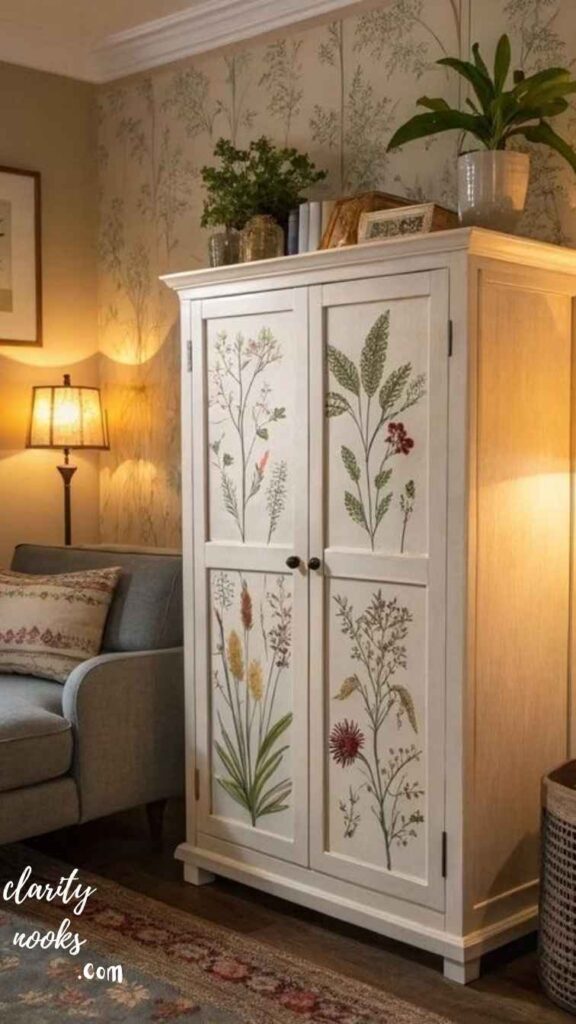
One of the most satisfying and budget-conscious DIY home decoration strategies is the furniture flip. Thrift stores, Facebook Marketplace, and estate sales are full of solid-wood furniture with good bones that’s been abandoned because of outdated color or worn hardware. You can give these pieces new life for under $50 in supplies and create something entirely unique.
A tired oak dresser becomes a modern media console with two coats of matte chalk paint in a deep forest green and new hardware pulls in unlacquered brass. A scratched wooden side table transforms with limewash treatment a simple diluted paint technique that creates an aged, artisanal finish in under two hours. The result looks like a $400 boutique-store find that cost you $22 at Goodwill plus $28 in supplies.
🛠️
Mini Case Study
Interior hobbyist Marcus in Austin bought a $15 brass lamp from an estate sale. He spray-painted the base matte black ($8) and replaced the shade with a drum shade in terracotta linen ($22 from Target). The finished lamp is nearly identical to a Pottery Barn version listed at $249. Total cost: $45.
Don’t Miss: Trendy DIY Living Room Curtain Ideas for a Fresh and Elegant Look
Textile & Texture Refresh
The Soft Architecture of a Room
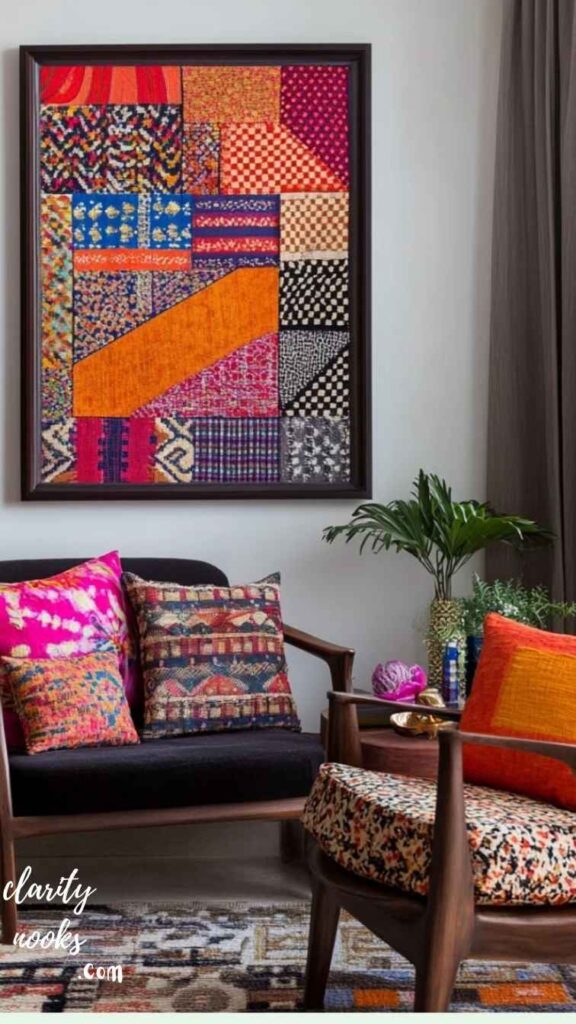
Textiles are to a room what seasoning is to food. The furniture might be the main course, but without the right layers of texture throws, pillows, rugs, curtains everything falls flat. A room with great furniture but no textiles feels like a furniture showroom. Textiles make it feel like a home.
For maximum impact, work in threes. Group three throw pillows of varying size using a simple formula: one solid in your room’s accent color, one pattern in a complementary palette, one textured neutral (boucle, velvet, or linen). Hang curtains from ceiling to floor, not window-frame to floor. This single adjustment makes any window and by extension, any ceiling appear dramatically taller. Use a rug that’s large enough for at least the front legs of all furniture to sit on it. An undersized rug is one of the most common mistakes in DIY home decoration.
Floating Shelf Styling
Turning Storage into Visual Art
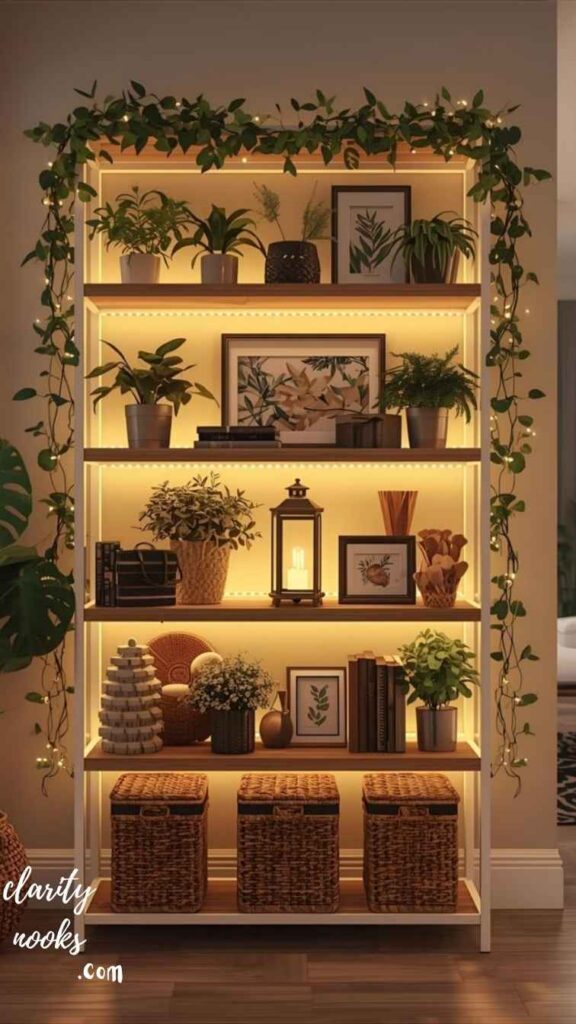
Floating shelves serve double duty: they provide storage and act as a three-dimensional canvas. Most people use them wrong overloading them with books and random objects until they look like a cluttered garage shelf. The key is treating each shelf as a curated vignette.
Follow the “rule of thirds” when styling shelves. Divide each shelf mentally into thirds. One third is books (spines out or covers facing forward for visual interest). One third is decorative objects a small plant, a bowl, a sculpture. One third is intentional negative space. That empty space isn’t wasted; it gives your eye somewhere to rest and makes the whole arrangement feel considered. Vary heights within each vignette. Stack two books horizontally to create a platform for a small object. This instantly adds depth and dimension.
No-Paint Accent Wall Techniques for Renters and Commitment-Phobes
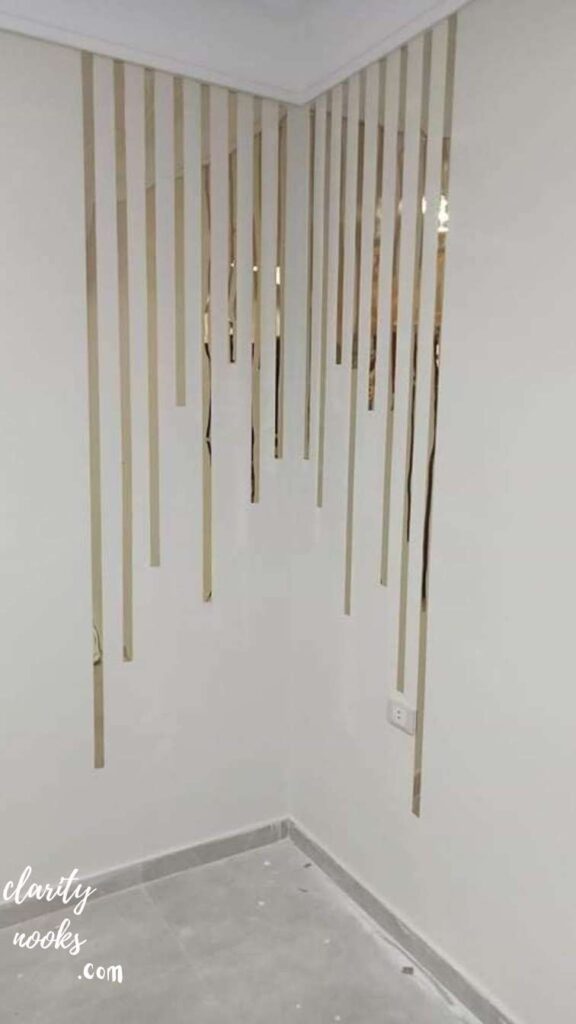
The accent wall has evolved. You no longer need to paint or even own your home to create one. Peel-and-stick wallpaper has reached a quality level where even professional designers use it in permanent installations. Removable versions from brands like Chasing Paper, Tempaper, or Spoonflower apply smoothly, look exceptional, and come off without damaging walls when you leave.
Beyond wallpaper, consider fabric panels hung from a tension rod system. Oversized linen panels in a deep teal or terracotta against a white wall create a stunning focal point that’s 100% renter-friendly. Another underused technique: tapestries. The market has matured dramatically you can find handwoven Moroccan tapestries, Japanese noren panels, and macramé art in every aesthetic. Hung behind a sofa or bed, they function as oversized art that adds texture, color, and sound dampening simultaneously.
Featured Snippet Answer
Can renters make accent walls?
Yes. Peel-and-stick wallpaper, removable wall decals, fabric panels, tapestries, and freestanding bookshelves placed against a wall are all renter-safe methods to create a focal wall without paint or permanent changes.
Mirror Placement Strategy
The Oldest Interior Design Trick
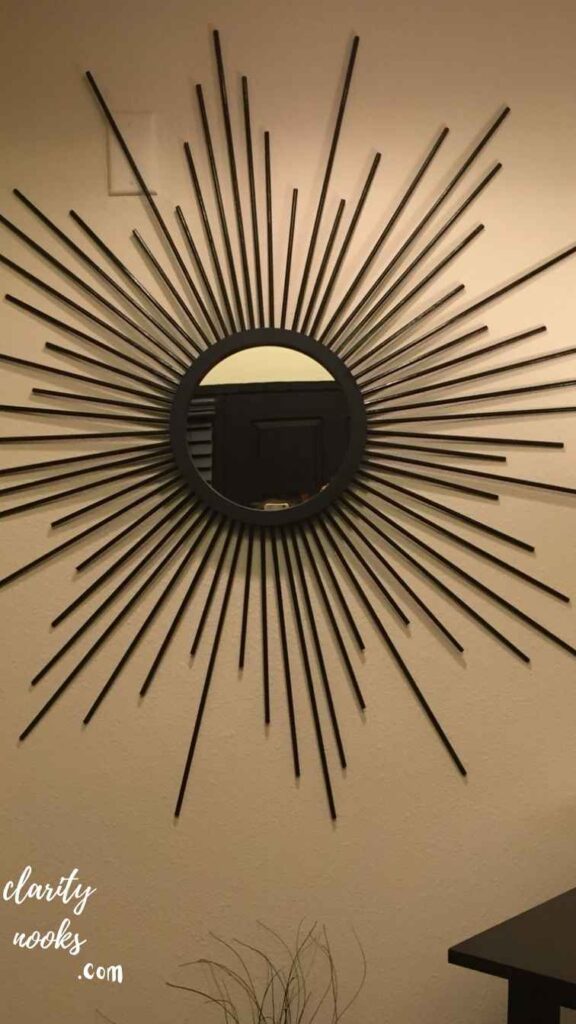
Mirrors have been used to visually expand spaces for centuries but placement makes all the difference. A mirror hung flat against a blank wall simply reflects the opposite wall. A mirror angled slightly downward (5–10°) reflects the floor and furniture, making the room feel broader. A mirror placed opposite a window doubles your natural light, often more dramatically than adding an entire lamp.
For maximum impact in small spaces, consider a full-length leaner mirror in the corner of a living room. This is particularly effective in studio apartments, where it elongates the visual depth of the entire space. Clustering multiple small mirrors in different shapes and frames creates a gallery wall effect with added spatial benefits this technique is especially popular in entryways and hallways. Antiqued or smoked mirror glass adds warmth and avoids the clinical feeling of bright clear mirrors in living spaces.
Ambient Scent & Sensory Design
The Invisible Layer of Home Decoration
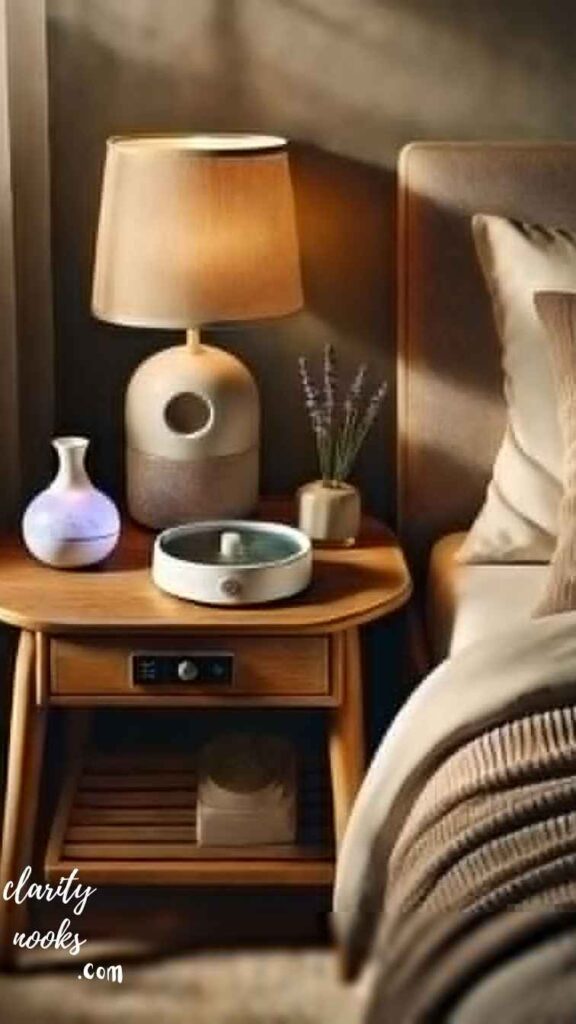
Here’s a DIY home decoration idea that most guides miss entirely: scent is part of your decor. Humans process smell faster than any other sense, and the fragrance of a home is one of the first things visitors register consciously or not. A beautifully decorated room that smells stale or artificial feels less welcoming than a simply furnished space that smells warm and clean.
Create a signature home scent through DIY methods. A pot simmering with orange peels, cinnamon sticks, and cloves creates an immediate sensory shift for under $3. Reed diffusers with essential oil blends (sandalwood and cedarwood for grounding warmth; eucalyptus and mint for fresh clarity) provide continuous, subtle fragrance without synthetic chemicals. Beeswax candles in interesting vessels vintage brass candlesticks, ceramic cups, antique tins function as both scent source and decorative objects. This approach makes the “invisible” element of your home decoration work as hard as anything on your walls.
Voice Search Tip:
If you’re asking a smart speaker “what can I do to make my home feel better instantly?” the answer most designers give is lighting and scent. Both are cheap, quick, and have disproportionate impact on how a space feels.
Conclusion
DIY home decoration isn’t about perfection. It’s about intention. The ideas in this guide from gallery walls to layered lighting to the invisible power of scent all share one quality: they’re achievable this weekend. You don’t need more money or more space. You need to pick one idea and start.
The homes that feel most beautiful aren’t the most expensive ones. They’re the ones where someone made thoughtful, creative choices about every element and then kept refining. That’s exactly what DIY home decoration, at its best, allows you to do.
Trend Analysis
DIY Home Decor Trends: 2026 and the Next 3 Years
Understanding where design is heading helps you make DIY investments that age well rather than dating your space. These aren’t speculative they’re shifts already visible in design media, retail, and consumer behavior data.
Now 2026
Quiet Luxury & Timeless Neutrals
The maximalist boom is softening. Consumers are moving toward warm, earthy palettes oat, terracotta, sage, and clay that feel calm and enduring rather than trend-chasing.
Now 2026
Biophilic Design Integration
Plants, natural wood, stone surfaces, and nature-inspired textures are no longer a trend they’re a baseline expectation. Homes without greenery increasingly feel sterile.
2026 — 2027
Vintage & Pre-Loved Dominance
The secondhand market for home goods is growing 15–20% year over year. Thrift-flipping and vintage sourcing are moving from DIY niche to mainstream interior strategy.
2027 — 2028
AI-Assisted Room Planning
AR and AI tools will allow real-time visualization of DIY changes before you buy anything. Expect this to shift how people plan and execute home decoration projects entirely.
2027 — 2029
Multisensory Design
Scent, sound, and tactile texture are entering mainstream interior design vocabulary. Spaces will be designed for the full sensory experience, not just the visual.
2027 — 2029
Sustainable & Circular Materials
Recycled, reclaimed, and zero-waste decor options are scaling rapidly. DIY projects using repurposed materials will carry increasing aesthetic and social cachet.
Expert Insights
Practical Expert Tips Most Articles Don’t Share
These are the principles that separate rooms that look designed from rooms that look decorated. Each one comes from widely applied interior design practice not just theory.
- Always work with a color temperature: Before buying any decor, decide if you’re going warm (terracotta, gold, amber, rust) or cool (slate, sage, navy, bone). Mixing temperatures without intention creates visual noise.
- Shop in odd numbers: Groupings of 3, 5, or 7 objects are visually more pleasing than even numbers. This is rooted in how human perception processes visual information odd groupings feel dynamic, even numbers feel static.
- Scale is everything: A common DIY mistake is buying pieces that are too small for the space. One large artwork on a sofa wall always looks better than three small ones. Err large whenever unsure.
- Edit relentlessly: The best-looking rooms have fewer things, not more. Before adding a new element, remove something first. Subtraction is often the most powerful DIY decoration move.
- Design for night-time first: Most people live in their homes in the evening. When making lighting and color decisions, evaluate them under artificial light conditions not just in daylight.
- Paint your trim: Painting wall trim and baseboards white (or a slight off-white) when walls are colored makes the entire room look cleaner and more professionally finished for under $30 in paint.
Long-Term Strategy
Sustainable DIY Home Decoration: Building a Space That Lasts
The smartest DIY home decorators think in decades, not seasons. Here’s the strategic framework that turns decoration into lasting investment.
Build a Neutral Foundation First
Invest your real budget in the neutral bones of a room a quality sofa in a classic linen or boucle, a solid wood dining table, neutral-toned rugs. These pieces will outlast every trend cycle. Then inject personality and color through replaceable elements: cushions, throws, artwork, plants, and accessories. This approach means updating your home for $200 instead of $2,000 every few years.
Learn to Reupholster and Refinish
Two skills that pay permanent dividends in DIY home decoration: basic upholstery (recovering chair cushions and headboards) and furniture refinishing (chalk paint, limewash, and oil finishing). Once learned, these skills let you transform any piece you own or find. A YouTube tutorial and a weekend are all it takes to learn either skill to a functional level.
Source Strategically, Not Impulsively
The best DIY home decorators maintain a “wish list” of pieces they need and alert systems for estate sales, Marketplace listings, and secondhand apps in their area. Patience waiting for the right piece at the right price consistently beats impulse-buying new fast-furniture that depreciates immediately and often falls apart within two years.
Future Predictions
Where DIY Home Decoration Is Heading
The next three years will reshape how people approach DIY home decoration in significant ways. Several converging forces are accelerating this shift.
AI room planning tools: are already in beta at multiple platforms. Within two years, you’ll realistically be able to photograph your living room, describe a style direction, and receive a shopping list, color palette, and arrangement plan generated in seconds all customizable and budget-filtered. This won’t replace the creativity of DIY decoration; it will lower the barrier to confident execution.
Modular and adaptable furniture: is growing rapidly as a product category pieces designed to be rearranged, repurposed, and reconfigured as life changes. DIY decoration in the future will increasingly mean configuring and personalizing modular systems rather than buying static pieces. Think of it as decoration moving closer to software: updatable, scalable, and user-controlled.
The maker economy intersection: is creating a new class of DIY decorator who designs and fabricates their own pieces using accessible tools like laser cutters (now available at most public libraries and makerspaces), 3D printers for hardware and accent pieces, and CNC routers. Custom, one-of-a-kind home decor is becoming achievable for non-professionals at scale.
Common Mistakes
Mistakes That Quietly Undermine Your Home Decoration
Even well-intentioned DIY decorators fall into these traps. Recognizing them is the first step to avoiding them.
| Mistake | Why It Fails | The Fix |
| Undersized rug | Makes the room feel disjointed and smaller than it is | → Size up. The rug should extend 18–24″ beyond the sofa on each side |
| Hanging art too high | Creates visual disconnection between furniture and walls | → Eye level = 57–60″ from floor to center of artwork, always |
| Matching sets | Looks like a showroom, not a home; lacks visual personality | → Mix pieces with the same tone/style but different origins |
| Cool-white bulbs everywhere | Flattens color, creates clinical feel, kills warmth | → Switch to 2700–3000K warm white throughout living areas |
| Decorating in isolation | Individual items look fine; the room still feels random | → Choose 3 anchor colors before buying anything. Everything must relate to them |
| Ignoring the entryway | First impression sets the emotional tone for the whole home | → A mirror, a hook, one plant, and one light fixture transforms any entryway |
| Treating decoration as finished | Rooms that never evolve feel lifeless | → Rotate seasonal textiles, swap artwork, and rearrange quarterly |
FAQ’S About DIY Home Decoration Ideas
What is the cheapest way to decorate a room?
Start with what you already own. Rearranging furniture, decluttering, and adding plants and warm lighting costs very little but transforms the feel of any space. From there, thrift stores and secondhand marketplaces offer high-quality pieces at a fraction of retail price.
What DIY home decoration ideas work best for small apartments?
Mirrors to expand visual space, floor-to-ceiling curtains to add height, vertical shelving to maximize wall space, multifunctional furniture, and strategic lighting to create zones all work particularly well in small apartments. Avoid visual clutter less is genuinely more in compact spaces.
How do I choose a color palette for DIY home decoration?
Start with one piece you already love a rug, a throw, a piece of art and pull 3 colors from it: one dominant, one secondary, one accent. Use these consistently across your textiles, accessories, and decor objects to create a cohesive, designed-feeling space.
Can I do DIY home decoration as a renter without losing my deposit?
Absolutely. Peel-and-stick wallpaper, removable wall hooks (Command strips), freestanding furniture arrangements, floor lamps, and area rugs all transform a rental space without touching the walls. You can even hang curtains using tension rods that require zero drilling.
How long does a typical DIY home decoration project take?
Most single-room DIY decoration projects take 1–2 weekends of focused work. Gallery walls take about 3–4 hours once you have all your pieces. Furniture painting typically takes two days (one for prep and first coat, one for second coat and drying). Textile refreshes can be done in an afternoon.
Rameen Zara is the founder of Clarity Nooks, bringing over five years of experience in home décor and interior styling. She shares simple yet practical design ideas that suit real homes and everyday living. Her approach focuses on cozy aesthetics, soft color palettes, and natural textures that create warm, inviting spaces.