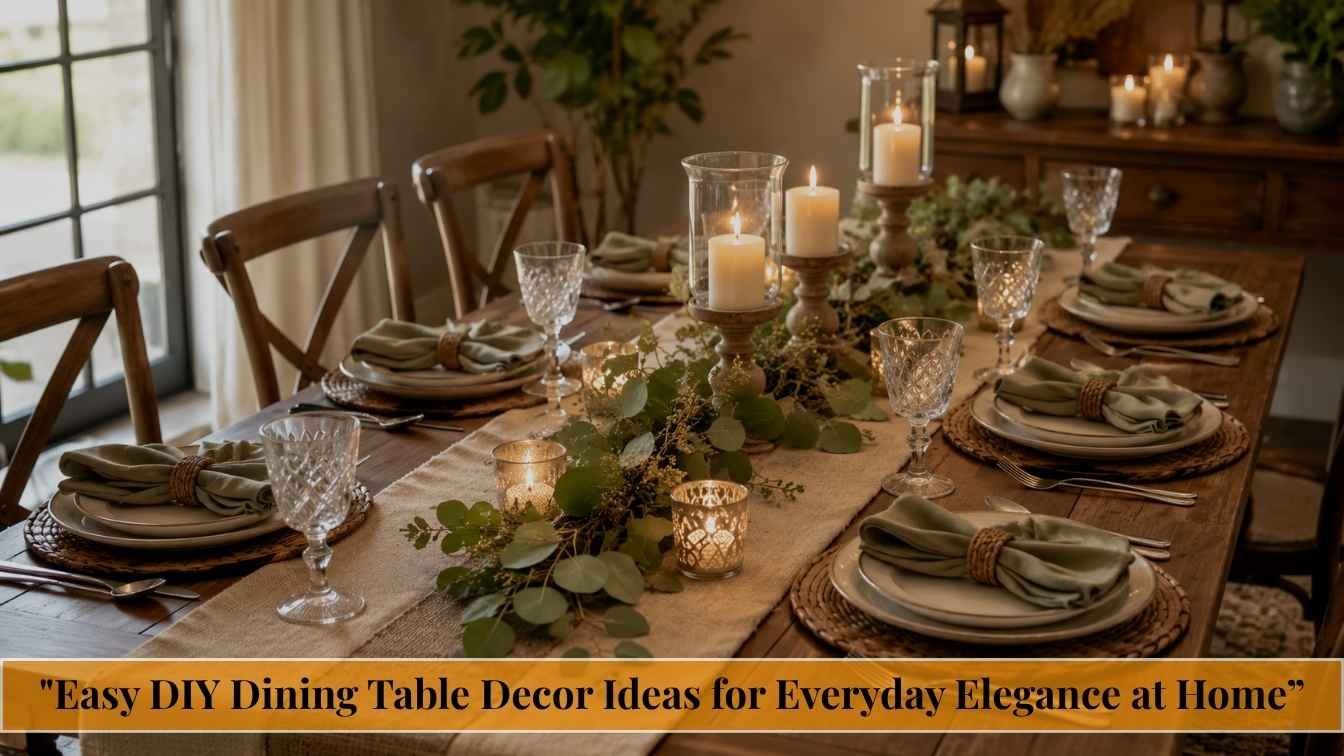
Easy DIY Dining Table Decor Ideas for Everyday Elegance at Home

Most dining tables look forgettable. Yours doesn’t have to. These creative, budget-friendly ideas will turn your everyday table into a room you’re proud to show off.
You’ve rearranged the furniture, chosen the right paint color, and even splurged on good lighting yet the dining table still looks like an afterthought. The table is the most used surface in most homes, yet it’s often the most neglected when it comes to intentional styling.
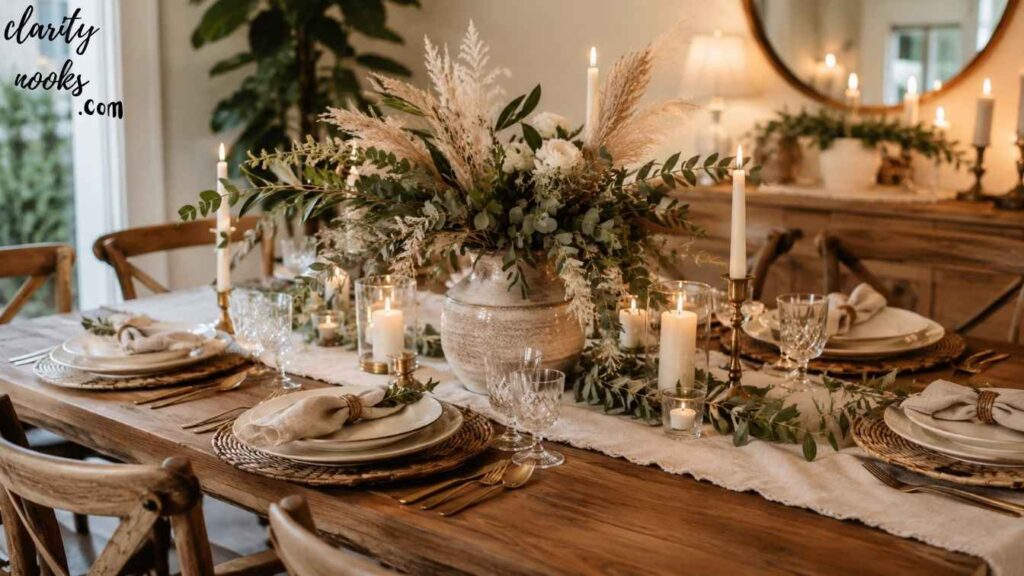
Here’s the truth: a beautiful dining table doesn’t require an interior designer or a large budget. It requires a clear sense of layers, texture, and seasonal intention. The best DIY dining table decor ideas aren’t about buying more they’re about arranging what you already have in a more thoughtful way, and knowing exactly when to introduce one statement piece.
This guide goes beyond the typical “put a vase of flowers in the middle” advice. You’ll find layered styling strategies, material combinations that work across seasons, and real-life examples of how everyday people have transformed their tables in an afternoon.
Quick Answer (Featured Snippet)
The best DIY dining table decor ideas combine layered centerpieces, texture-rich textiles, candlelight, and natural elements. Use odd numbers of objects, vary heights, and swap one element seasonally to keep the look fresh without starting over.
Build a Layered Centerpiece Cluster
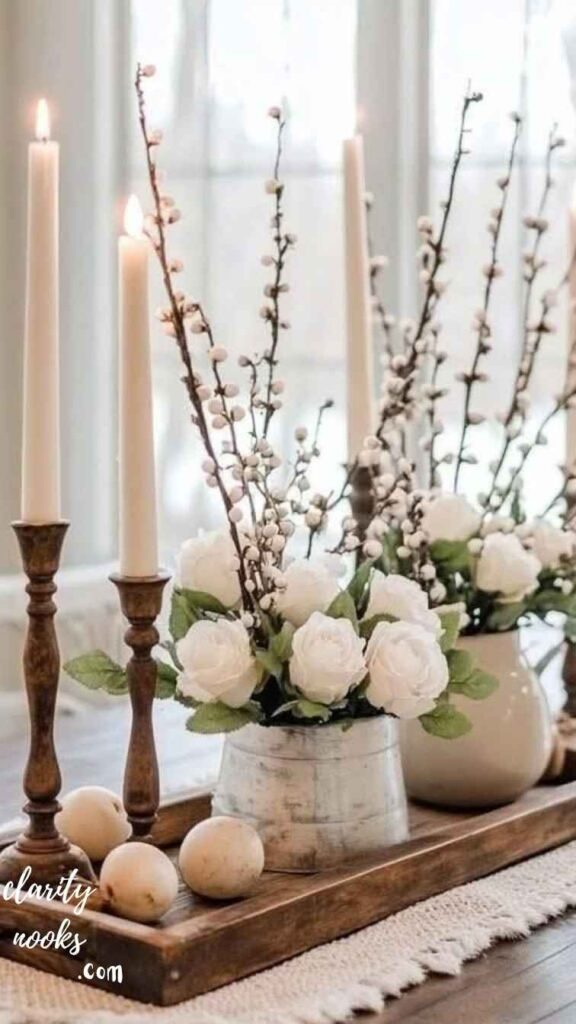
A single vase in the center of a table almost always looks lonely. The trick professional stylists use is clustering grouping three to five objects at different heights so the eye travels naturally across the table rather than landing on one static point. Think of it like arranging a still life painting, not decorating a shelf.
Start with a low, wide base object a shallow wooden tray, a marble slab, or even a large woven trivet. On top of and around this, layer in a tall element (a vase or candleholder), a medium element (a ceramic pot or small plant), and one low detail (a few smooth stones, small fruits, or a short pillar candle). This three-tier approach works because it mirrors the way nature groups objects: never uniformly, always with variation.
For example,
Sarah, a home décor enthusiast from Austin, used a thrifted wooden bread board as her base, topped it with a tall amber glass bottle, a short eucalyptus bundle, and three white tea light holders. The total cost was under $12. The result looked like something from a boutique interior design studio. The key wasn’t spending it was the layering principle.
What is the rule of three in table décor?
The rule of three in table décor states that grouping objects in odd numbers (especially three or five) creates a more visually balanced and natural arrangement than even-numbered groupings, which can feel rigid or symmetrical.
Must Read: Trendy DIY Mini Bar Ideas for a Beautiful Home Upgrade
Craft a DIY Seasonal Table Runner and Placemat Set
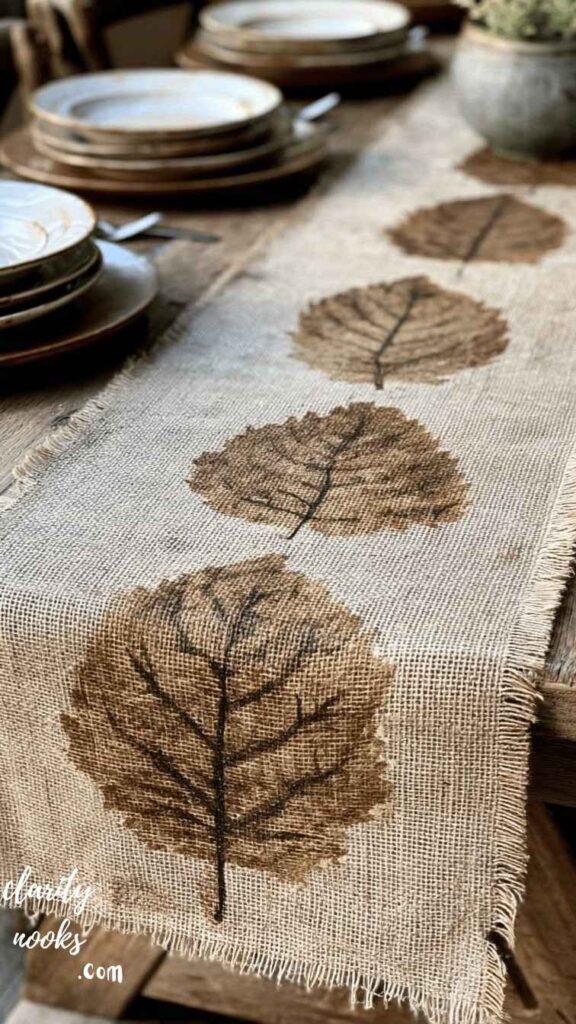
A table runner does more visual work per square inch than any other décor item. It grounds the entire table, defines a “zone” for the centerpiece, and introduces color and texture without cluttering the surface. The problem? Most store-bought runners are overpriced for what they offer. Making your own costs a fraction of the price and lets you match your exact color scheme.
You don’t need to sew. Raw-edge linen, burlap, or jute rope can be cut to length and used as-is the fraying edge is part of the aesthetic for many interior styles. For a more polished look, use iron-on hem tape to create clean edges on fabric from a craft store. A standard dining table needs a runner about 14 inches wide and 6 inches shorter than the table on each end.
For seasonal switching, keep a “runner rotation” a folded set of four runners for spring, summer, autumn, and winter. Pair each with matching cloth napkins from the same fabric. A linen runner with dried lavender sprigs works beautifully for spring; a deep burgundy velvet runner with pine cones transforms the table for December. This single habit alone will make your dining room feel intentionally designed year-round.
Read More: DIY Outdoor Kitchen Ideas for a Perfect Backyard Cooking Space
Create a Candle Arrangement with Intentional Heights
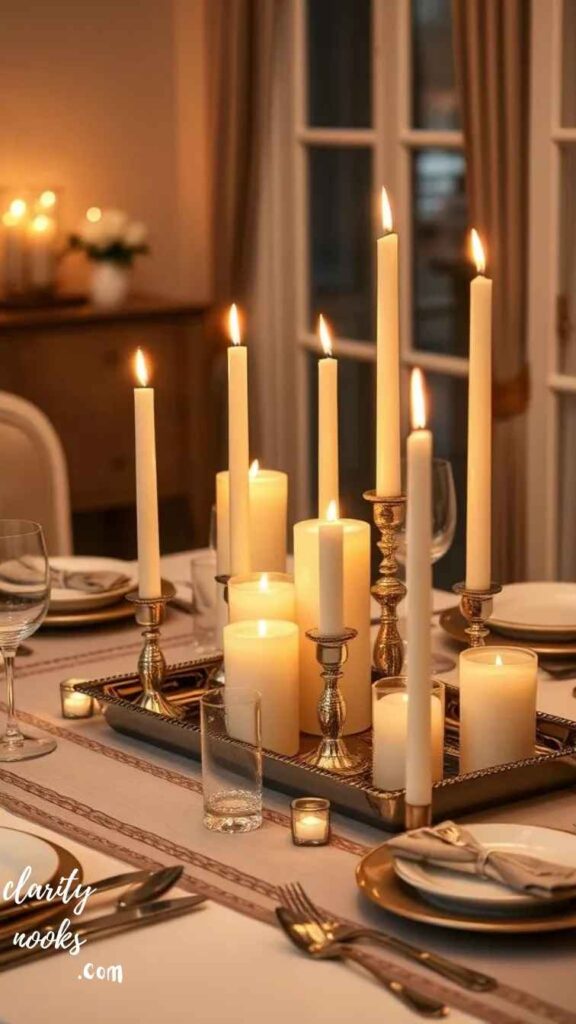
Candlelight changes everything. It softens the harshness of overhead lighting, creates warmth in photographs, and signals to guests (and yourself) that this meal is an occasion, not just dinner. But a random scattering of tea lights isn’t enough. Height variation is what elevates a candle arrangement from casual to considered.
Use a combination of pillar candles (tall, medium, and short), taper candles in simple holders, and a cluster of tea lights at the base. Odd numbers work best try five candles across varying heights arranged in a loose diagonal rather than a straight line. Group them on a mirrored tray or a slate tile to catch the reflections and protect your runner from wax drips.
For a completely safe and equally beautiful alternative, high-quality LED flameless candles have advanced dramatically. Brands now offer realistic flickering at multiple speeds, warm amber tones, and even remote-controlled timers. Interior stylist Marcus Webb recommends placing one real pillar candle amongst several LED candles for “olfactory authenticity” the single flame and scent signal realness, while the rest provide worry-free ambiance.
Also Read: DIY Outdoor Patio Ideas That Make Small Backyards Look Amazing
Turn a Herb Garden into a Living Centerpiece
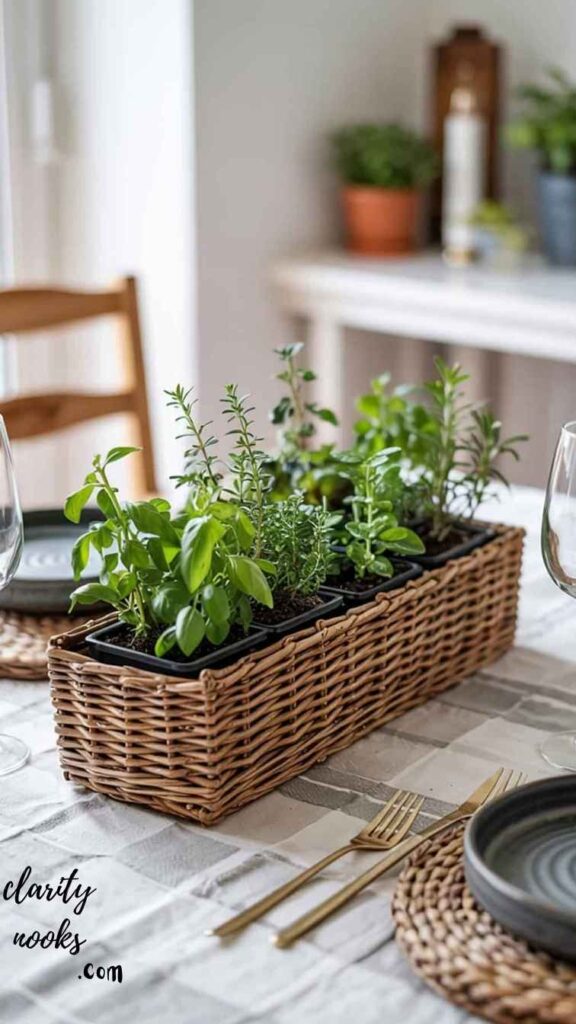
Fresh herbs as a dining table centerpiece are having a well-deserved moment. Rosemary, thyme, basil, and mint in matching terracotta pots create a lush, organic cluster that’s genuinely useful guests can pinch a fresh sprig for their cocktails or water. It’s functional décor, and that dual-purpose quality is increasingly valued in modern home design.
The presentation matters as much as the plants. Use three or four pots of different heights grouped on a wooden board or in a low wicker tray. Tie a small piece of jute twine around each pot with a handwritten label tag. This transforms a grocery-store impulse buy into a styled, artisanal display. You can find matching terracotta pots at most dollar stores for less than $2 each.
The best part: this idea is inherently low-waste and sustainable. When herbs begin to look tired, simply replace one or two pots and your centerpiece feels renewed. In winter, swap for succulents or small evergreen cuttings in matching pots to maintain the same visual language across seasons.
Real-life scenario
A home cook in Portland replaced her traditional floral centerpiece with a trio of potted herbs (rosemary, basil, and thyme) on a cedar cutting board. She reported that guests consistently comment on the arrangement and she uses the herbs every night when cooking. The centerpiece hasn’t cost her a dollar since the initial setup two years ago.
Don’t Skip: DIY Camper Interior Ideas: Creative Storage and Space-Saving Hacks
Stack Vintage Books with a Single Bloom
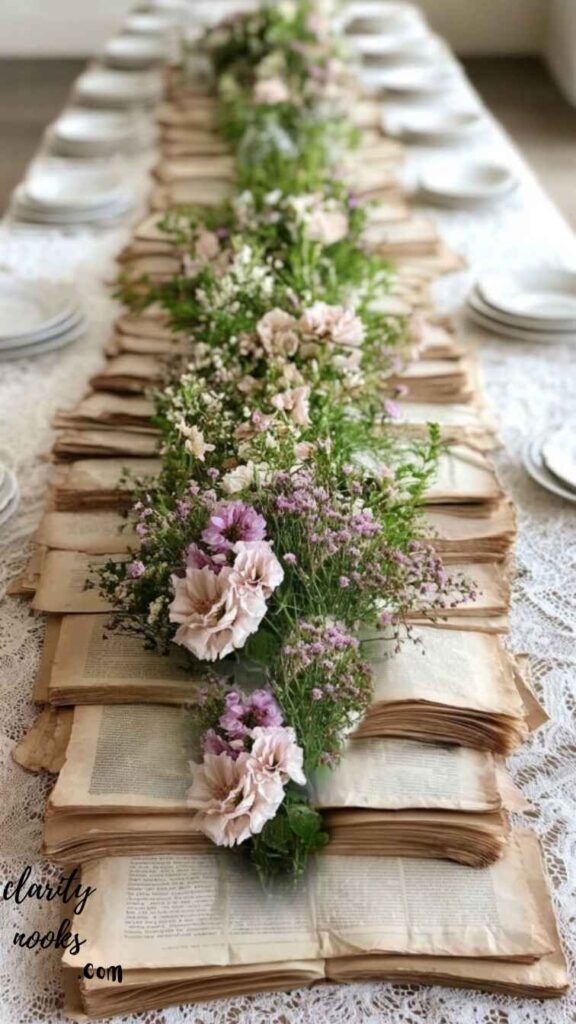
The stack-of-books styling trick has been a staple in interior design for years, but most people apply it to coffee tables and bookshelves. On a dining table, a curated book stack with a single stem in a bud vase on top is genuinely striking and highly personal. It tells a story about who lives in this home.
Choose books with spines in a tight color palette all neutrals, all one color family, or alternating two tones. Remove dust jackets if the spines beneath are more interesting. Stack two to four books at an angle, place a simple bud vase or a small ceramic pot on the corner of the stack, and tuck in a single flower or a dried botanical stem. The result is editorial, not “decorated.”
This idea works exceptionally well for people who want a talking-point centerpiece rather than a traditional floral arrangement. Guests naturally reach for the books, which opens conversation. And unlike fresh flowers, this centerpiece can last weeks with no maintenance beyond occasionally dusting or switching out the stem.
Weave Together Charger Plates and Cloth Napkins
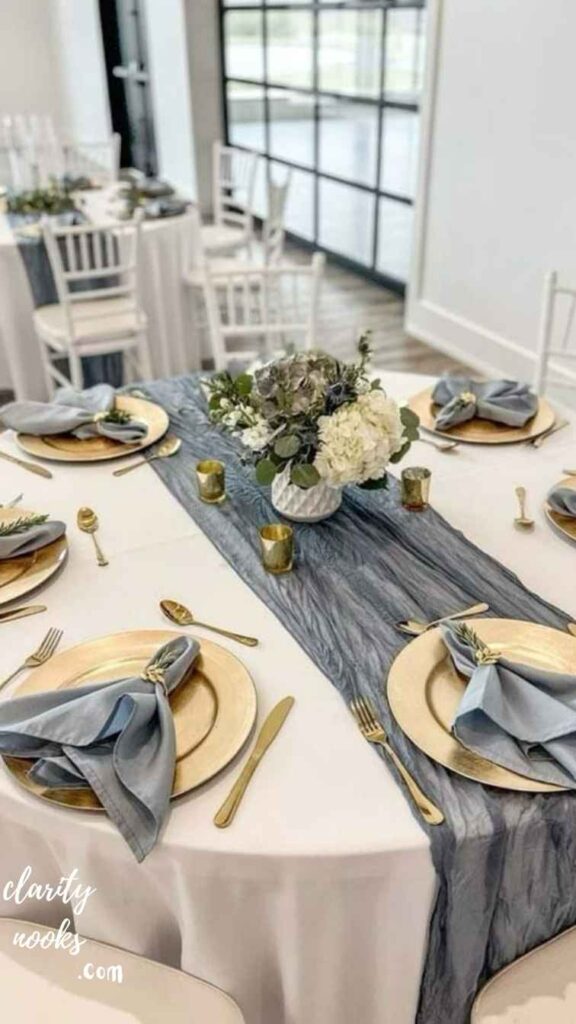
The space between centerpiece and plate the place setting itself is where most DIY table styling falls apart. Charger plates are the unsung heroes of a styled table. They frame each dinner plate, add visual weight to the setting, and instantly elevate the perceived quality of the meal before a single dish is served.
You can DIY charger plates affordably using inexpensive flat plates from a thrift store, a can of metallic or matte spray paint, and a steady hand. Gold, copper, and slate are perennially elegant choices. Pair these with folded cloth napkins in a complementary color a simple diagonal fold or a bishop’s hat fold looks intentional without requiring a YouTube tutorial.
The textures you layer at the place setting level the cold smoothness of a metallic charger, the warmth of a linen napkin, and the weight of a ceramic plate create a multi-sensory dining experience. This is a concept that Michelin-starred restaurants understand implicitly, and it translates completely to the home table.
Make Handwritten Place Cards That Double as Keepsakes
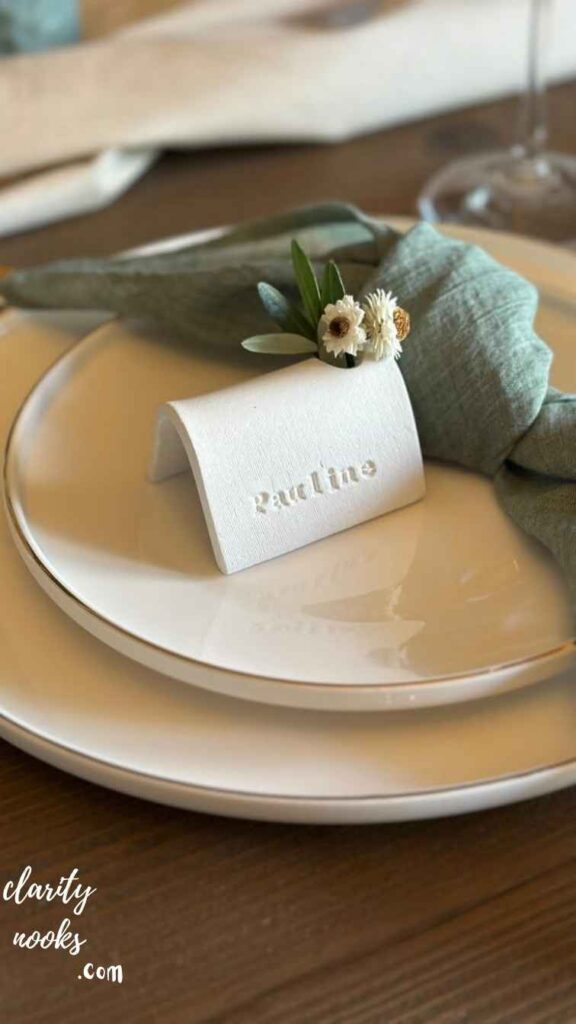
Personalized place cards are often reserved for weddings or formal dinner parties. That’s a missed opportunity. Even for a casual Sunday lunch with close friends, a handwritten place card at each setting communicates intention it says “I thought about you before you arrived.” That small gesture changes the emotional register of the entire meal.
Make place cards using heavy card stock cut into rectangles or tent cards, a calligraphy pen, and a few pressed flowers or a small sprig of greenery tucked behind each card with a bit of floral wire. Alternatively, use Kraft paper luggage tags tied to napkin rings for a more casual, bohemian effect. Both options cost less than $5 in materials for a table of eight.
For special occasions, consider including a small handwritten note inside each folded card a memory, an inside joke, or a simple “glad you’re here.” Guests frequently keep these cards long after the meal. Interior designer and lifestyle blogger Jenna Kim notes that this is the single most commented-upon detail she adds to her dinner party tables, and it costs almost nothing.
Conclusion
DIY dining table decor ideas don’t require a large budget, a talent for crafts, or hours of preparation. They require intention a decision to treat the table as a designed space rather than a functional surface. Whether you start with a simple candle cluster or build a full seasonal styling system, the impact on how your home feels is disproportionate to the effort.
The seven ideas in this guide are all achievable on any budget, by any skill level, this weekend. Start with just one the layered centerpiece cluster or the herb garden and notice how quickly it changes the energy of the room. Once you feel that shift, building the rest comes naturally.
Your dining table is where meals become memories. It deserves to look the part. Pick one idea from this guide and set your table tonight you might be surprised how much difference one good arrangement makes.
Trend Analysis
Where DIY Table Décor Is Heading (2026–2029)
Understanding where dining table décor trends are moving helps you make smarter investments both in time and money. Rather than chasing each micro-trend, the smartest approach is to identify durable shifts in user behavior and design language that will define the next three years.
2028–2029 forecast
AI-Assisted Personal Styling
Apps will soon allow users to photograph their table and receive curated styling suggestions based on existing items democratizing interior design advice.
2027–2028 emerging
Slow Dining Culture
Phone-free dinner rituals and intentional table design are rising together, driven by wellness culture and reaction against screen saturation.
2026–2027 shift
Sustainable & Foraged Materials
Dried botanicals, foraged branches, and zero-waste centerpieces are replacing weekly fresh-cut flowers as the default choice for eco-conscious decorators.
2028–2029 forecast
AI-Assisted Personal Styling
Apps will soon allow users to photograph their table and receive curated styling suggestions based on existing items democratizing interior design advice.
The larger behavioral shift is toward intentional domesticity people spending more meaningfully on the home as a sanctuary. Search volumes for “home dining experience,” “hosting tips,” and “table setting ideas” have grown consistently since 2023 and show no signs of decelerating. This means content, products, and ideas around the dining table will remain high-interest for years.
Practical Tips & Expert Insights
These aren’t generic suggestions they’re observations drawn from styling hundreds of tables and the common patterns that separate a good table from a genuinely memorable one.
Use the “hand test” for table clearance: Before finalizing any centerpiece, sit in each chair and extend your arm across the table. If the centerpiece blocks eye contact with the person across from you, it’s too tall. Centerpieces on dining tables should ideally stay below 12 inches or rise dramatically above 24 inches so sight lines pass beneath them.
Anchor with one hero piece, not five medium pieces: Most people make the mistake of adding many similarly-sized objects. Instead, identify one hero the tallest, most striking item and build everything else around it. This creates a visual hierarchy that reads as designed, not accumulated.
Borrow from the kitchen: Wooden salad bowls, ceramic mixing bowls, copper colanders, and woven bread baskets all make excellent low-cost styling props when your table needs a refresh. Domestic objects carry warmth and authenticity that purely decorative items often lack.
Photograph your table before guests arrive: It forces you to assess the arrangement critically. The camera reveals balance issues, color clashes, and missing elements that your eye alone might miss. It also creates a record of looks you can recreate.
Long-Term Strategy
Building a Styling System, Not Just a Look
The most sustainable approach to DIY dining table decor isn’t about single-use centerpieces it’s about building a flexible styling system from neutral, high-quality base pieces that adapt to different seasons and occasions with minimal additions.
Start by investing in three or four neutral anchor pieces: a quality linen runner in off-white or natural, a set of ceramic or wooden candleholders in a neutral finish, a low wooden tray or board, and a set of classic bud vases. These become your permanent base. Then, for each season, you add one or two rotating accent pieces dried autumn leaves, spring blossoms, winter pine that drop into this neutral system and instantly signal the time of year.
This approach is also significantly more sustainable than buying seasonal décor sets. The fast-home-décor industry generates enormous waste, with trend-driven items discarded within a single season. A system built on durable neutrals and natural accents reduces both environmental impact and cost over time. Within two years, your styling costs approach near-zero as the core collection is complete.
Future Predictions & Innovations in Table Décor
The intersection of technology and home styling is producing some genuinely exciting near-future developments for anyone interested in DIY dining table decor. AI-powered home design tools are already beginning to influence how everyday decorators approach table styling, and this shift will accelerate significantly by 2027–2028.
Augmented reality (AR) room-planning apps are moving from furniture placement to décor styling. Within two years, it will be commonplace to hold your phone over your dining table and see AI-generated centerpiece suggestions using items it has identified in your home inventory effectively making a personal stylist available to anyone. Pinterest and major home retailers are already investing heavily in this capability.
The rise of biophilic design the drive to incorporate natural elements into interior spaces will also push DIY table decor further toward living, growing, and natural materials. Expect to see more tabletop moss arrangements, air plant clusters, and mushroom cultivation kits as centerpiece focal points in the next design cycle. These align with both the sustainability movement and the broader cultural turn toward slower, more intentional domesticity.
Common Mistakes & Hidden Gaps
(Beginner to Intermediate)
- Centering everything symmetrically: Perfect symmetry on a dining table feels stiff and corporate. Real style lives in slight asymmetry a cluster positioned just off-center, a runner that hangs slightly longer on one side. Controlled imperfection signals confidence.
- Ignoring scale relative to the table size: A centerpiece that works beautifully on a 4-person table will disappear on a 10-person farm table. Always assess your arrangement from the end of the table, not just from standing beside it.
- Matching everything too perfectly: A table where every element shares the same color family or material reads as over-coordinated. One unexpected contrast a rough-hewn wooden tray on a polished table, a bold-colored napkin in a neutral setting creates the visual tension that makes a table feel styled rather than decorated.
- Neglecting scent: The dining table is one of the few places where all five senses converge. Intermediate stylists focus entirely on visuals and forget that a subtly scented candle, fresh herbs, or even a single gardenia bloom dramatically enhances the overall experience.
- Leaving the arrangement static for months: A dining table that looks identical in January and July feels unlived-in. Even swapping out one element changing a candle color, replacing a dried botanical, adding a seasonal fruit signals active, engaged living.
FAQ’S About DIY Dining Table Decor Ideas
What are the easiest DIY dining table decor ideas for beginners?
The easiest starting points are a layered centerpiece cluster (using items you already own), a DIY table runner from a fabric store, and a candle arrangement. None of these require crafting skills just an eye for proportion and layering.
How do I decorate a dining table for everyday use (not just special occasions)?
Keep everyday décor simple and functional. A small herb garden, a wooden tray with three candles, and a linen runner is all you need. The key is using items that can stay in place during meals and don’t require moving before eating.
How often should I change my dining table decor?
Seasonal changes (four times a year) are ideal for most households. However, even swapping one element monthly a candle color, a new botanical stem, a different napkin fold keeps the table feeling intentional without requiring a full restyle.
What is a good DIY centerpiece that doesn’t get in the way during meals?
A low wooden tray with small grouped objects (tea lights, a short succulent, smooth stones) works best. It stays below the 12-inch sight-line threshold and can be slid to one end of the table when serving dishes arrive.
How do I style a dining table on a very small budget?
Focus on foraged and found objects: branches from the garden, stones from a walk, seasonal fruits and vegetables used decoratively, and thrifted vessels. The most beautiful tablescapes are often assembled from zero-cost materials arranged with intention.
Rameen Zara is the founder of Clarity Nooks, bringing over five years of experience in home décor and interior styling. She shares simple yet practical design ideas that suit real homes and everyday living. Her approach focuses on cozy aesthetics, soft color palettes, and natural textures that create warm, inviting spaces.