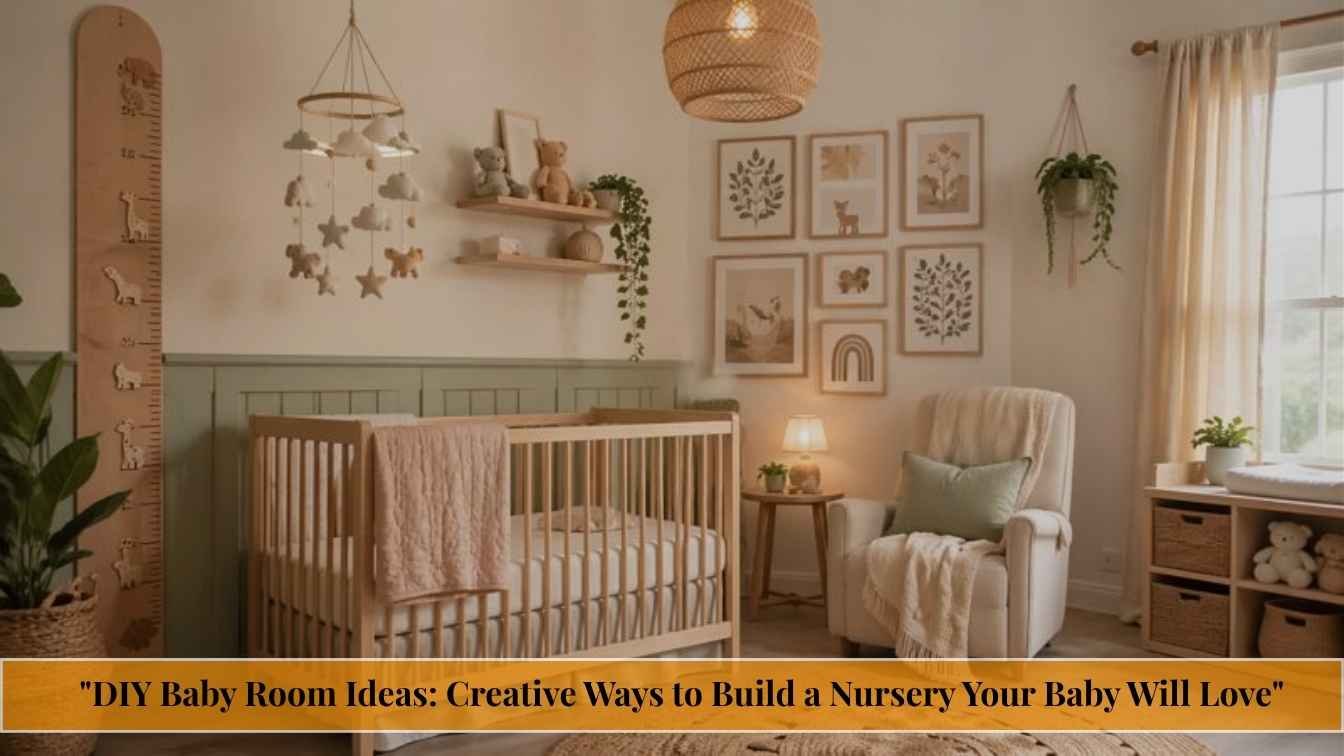
DIY Baby Room Ideas: Creative Ways to Build a Nursery Your Baby Will Love

You have roughly nine months and probably a tight budget to create a space that feels magical, stays safe, and actually grows with your child. Most parents spiral into expensive nursery sets and trendy decor that their toddler outgrows in 18 months. There’s a better way.
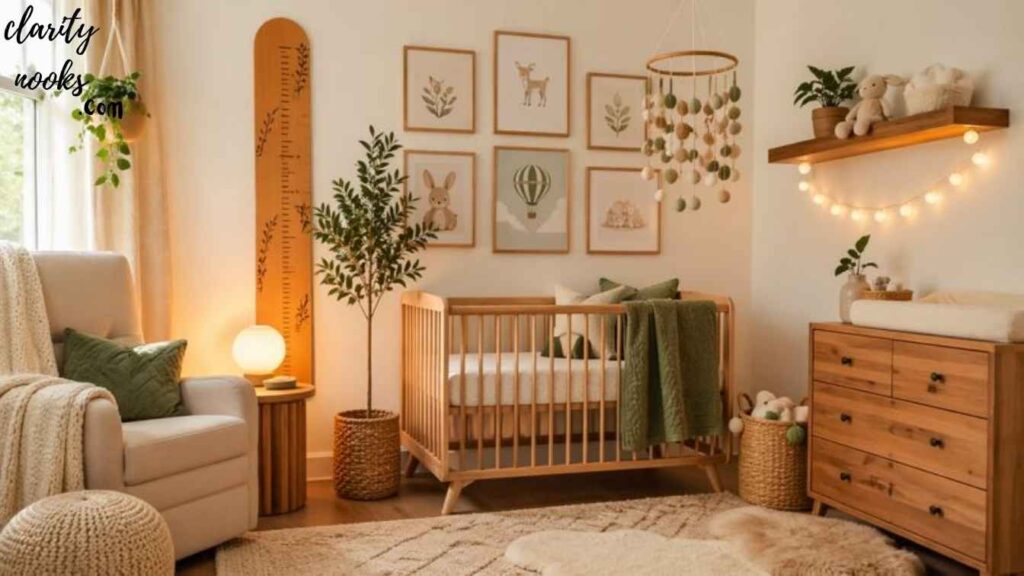
The best DIY baby room ideas aren’t just about saving money. They’re about creating something personal a space only your family could have made. Whether you have a tiny box room or a spacious spare bedroom, this guide gives you 10 deeply practical, beautifully thought-out ideas to make it happen.
What Makes a Great DIY Baby Room?
A well-designed nursery balances three things: safety, sensory comfort, and long-term flexibility. The DIY approach lets you nail all three on your own terms. You’re not locked into a cot-dresser-wardrobe set that looks identical to every other nursery on Instagram.
Quick definition:
A DIY baby room is a nursery designed and assembled using self-built, upcycled, customized, or budget-sourced elements typically combining handmade decor, painted furniture, and creative storage solutions rather than buying off-the-shelf nursery sets.
Create a Gallery Wall with Personalised Prints
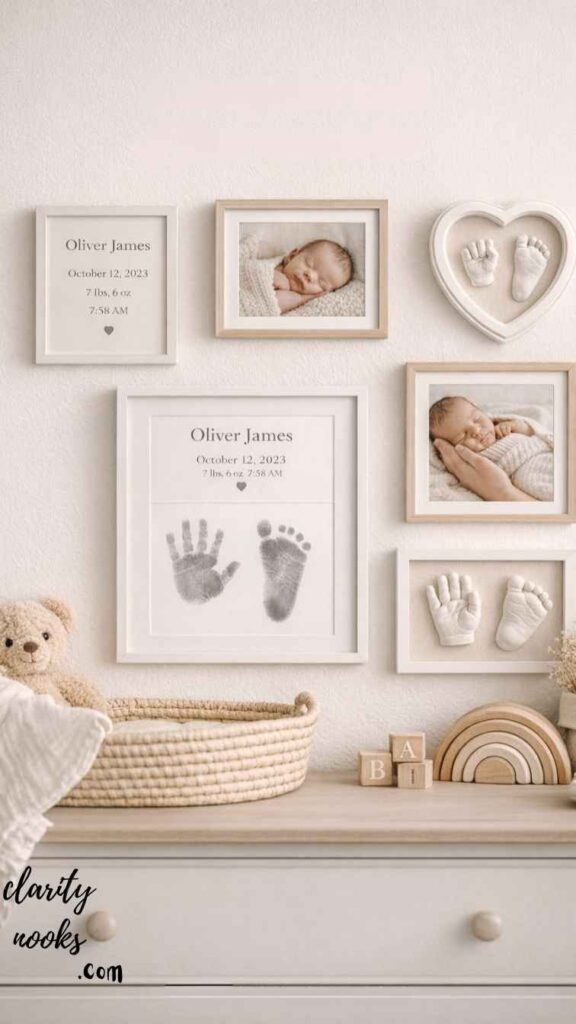
A gallery wall is one of the highest-impact, lowest-cost DIY projects for a nursery. Instead of buying generic nursery art, design your own prints using free tools like Canva add your baby’s name, birth stats, or illustrations that match your colour scheme. Print them at a local pharmacy or online for under £10 total.
Use mismatched frames in the same paint colour for a curated, intentional look. Group them in odd numbers (three or five frames) for visual balance. This approach turns a blank wall into a conversation piece without a single nail going to waste.
Real scenario:
Sarah, a first-time mum in Manchester, spent £14 total on six Canva-designed prints her baby’s name in watercolour letters, a simple star map of the night her daughter was born, and two botanical prints. Framed in charity-shop finds painted sage green, it became the most-photographed corner of the room.
Must Read: Trendy DIY Home Bar Ideas for a Cool and Relaxing Vibe
Build a Floating Shelf Display Instead of a Changing Table
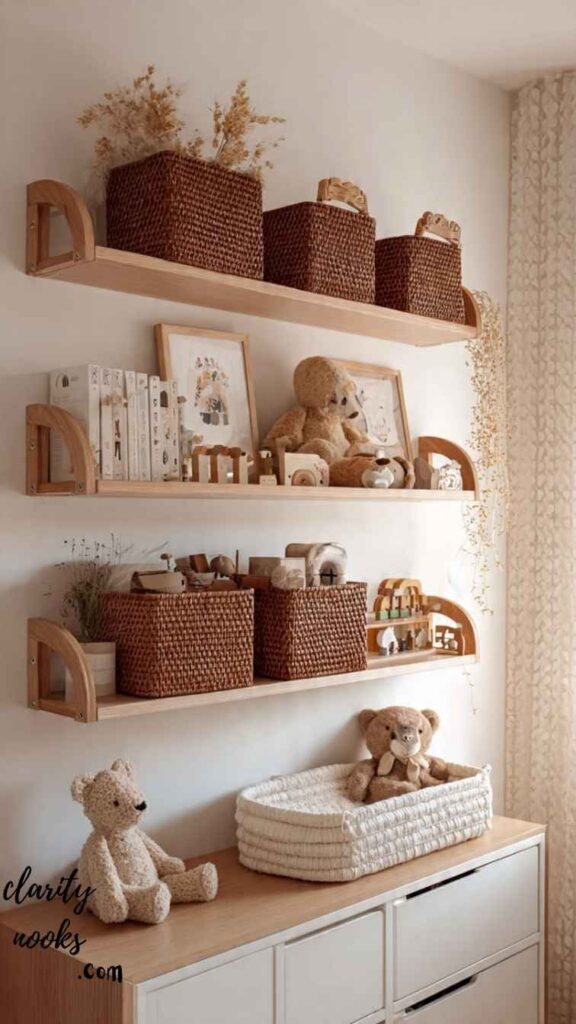
Traditional changing tables are expensive and become redundant by age two. Instead, mount three deep floating shelves at waist height over a dresser you already own. The top shelf holds a changing mat; the two below store nappies, wipes, creams, and spare onesies in labelled fabric baskets.
This DIY setup costs roughly a third of a purpose-built changing unit, fits into tighter spaces, and transitions beautifully into a toy/book display as your child grows. Anchor shelves into studs, not just plasterboard this matters for safety above everything else.
Real scenario:
Tom and James in Dublin built this setup using IKEA LACK shelves painted to match their wall. Cost: €45. Their daughter used it as a changing station for two years, then it became her book display at age three.
Don’t Skip: Modern DIY Walk In Closet Ideas for Organized and Elegant Storage
Use Peel-and-Stick Wallpaper for a Feature Wall
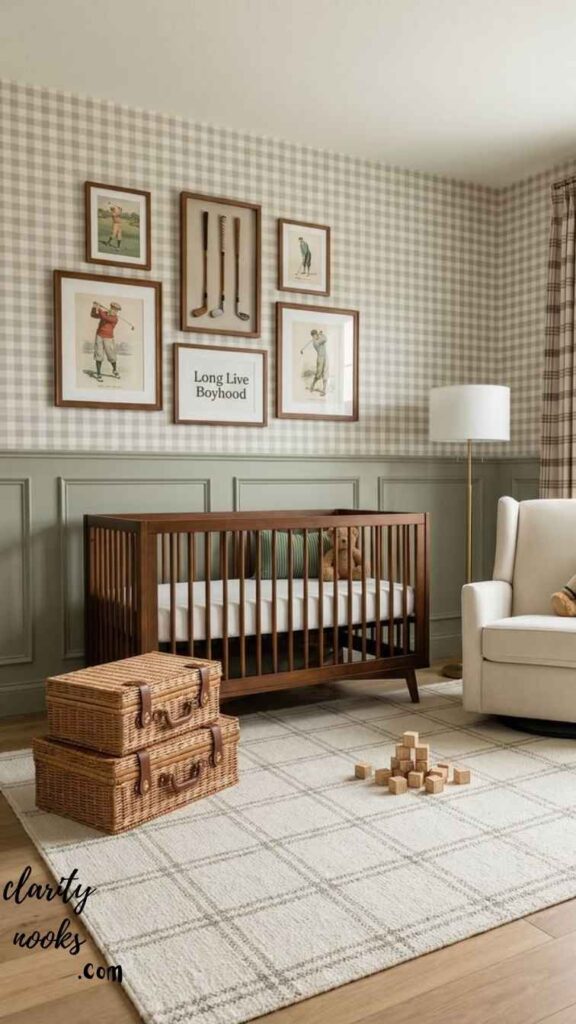
Renting? Or just terrified of committing to wallpaper? Peel-and-stick nursery wallpaper has genuinely improved in quality. Brands like Tempaper and Graham & Brown now offer designs specifically calibrated for nurseries soft jungle prints, geometric pastels, celestial patterns. Application takes one afternoon and removal leaves zero damage.
The smartest approach is a single feature wall behind the cot. This creates visual depth without overwhelming a small room, and gives photographs a beautiful backdrop. For a DIY twist, use peel-and-stick in geometric shapes (arches, rectangles) to fake a panelled wall effect without a single tin of paste.
Real scenario:
A rental flat in Edinburgh parents used a peel-and-stick forest mural behind the cot. Total cost £55. When they moved 18 months later, it came off in one piece and they reused it in the next home.
Also Read: DIY Laundry Room Ideas: Easy Makeovers for a Clean, Functional Space
Repurpose Vintage Furniture with Non-Toxic Paint
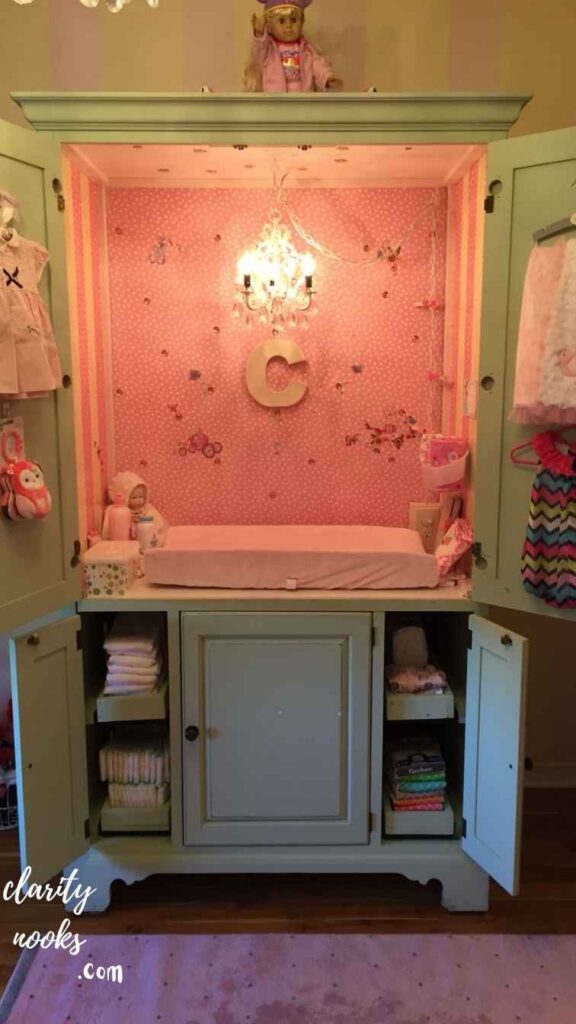
A solid-wood chest of drawers or wardrobe from a charity shop will outlast any flat-pack nursery set. Sand it down, prime it, and apply two coats of child-safe, zero-VOC paint in your chosen nursery colour. Add new handles from H&M Home or Anthropologie and you have a piece that looks like it cost five times what you paid.
Key note: always check vintage furniture for lead paint using an inexpensive test kit before sanding. Furniture made after 1978 in the UK is generally safe. This DIY move is also far more sustainable than buying new an important consideration as parents increasingly factor environmental impact into nursery decisions.
Read More: DIY Dressing Table Ideas for a Cozy and Functional Bedroom Makeover
Sew a Custom Cot Mobile (or Make One Without Sewing)
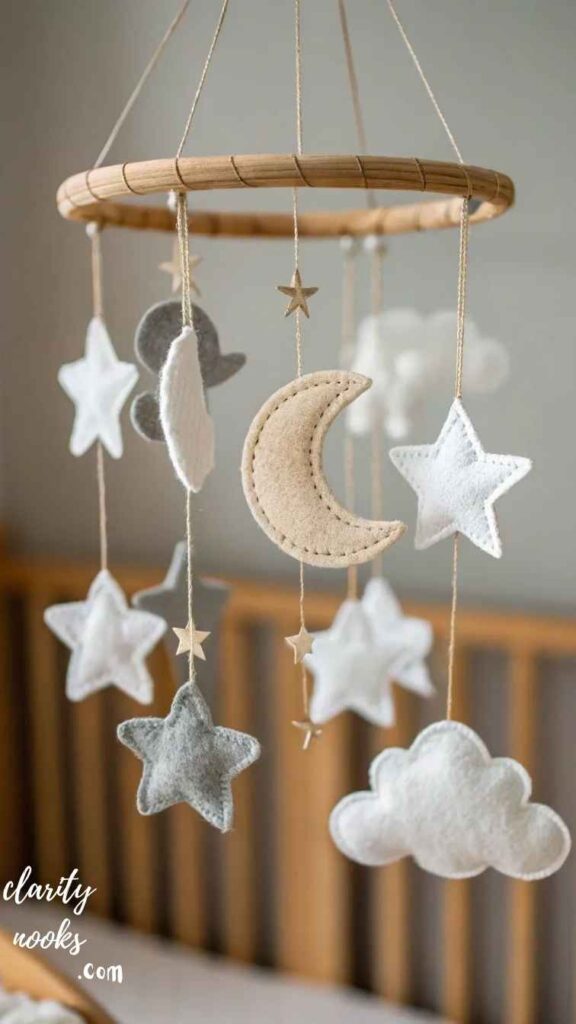
Commercial mobiles are often overpriced for what they are a frame with a few hanging pieces. A DIY version takes two hours and costs almost nothing. Cut simple shapes from felt (stars, clouds, animals), punch a hole, thread them onto thin wooden dowels or a branch found outdoors, and hang it from a command hook on the ceiling.
If sewing isn’t your thing, use origami paper cranes hung at varying heights create a stunning, minimal mobile. Babies in the first three months are most visually stimulated by high-contrast black-and-white patterns, so consider a monochrome mobile for a newborn and swap to colour later. This is a detail most off-the-shelf products miss entirely.
Build a Reading Nook with a Tension Rod Book Ledge
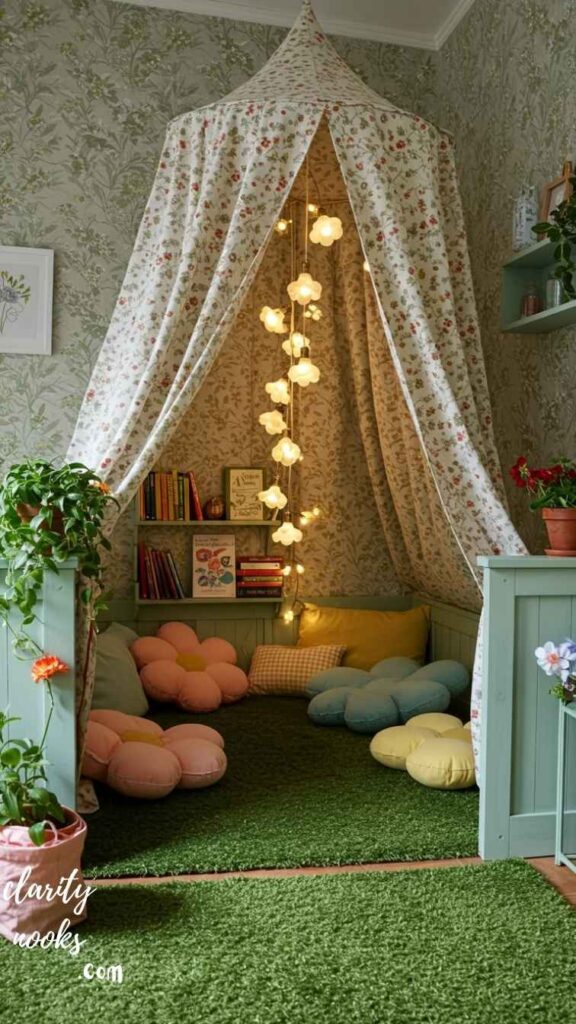
Front-facing book displays where children can see the cover, not just the spine dramatically increase a child’s engagement with books. A simple DIY solution: mount thin picture ledges (IKEA MOSSLANDA costs £7 each) at toddler height, spacing them 30cm apart vertically. Six ledges can hold 30–40 books and cost under £50 total.
For a more immersive reading nook, tuck a beanbag or floor cushion beneath a window, hang a canopy from a ceiling hook, and add a small battery-powered fairy light strand. This creates a distinct “reading zone” that encourages literacy habits from infancy something developmental experts consistently advocate for.
Create Soft Lighting with a DIY Lampshade
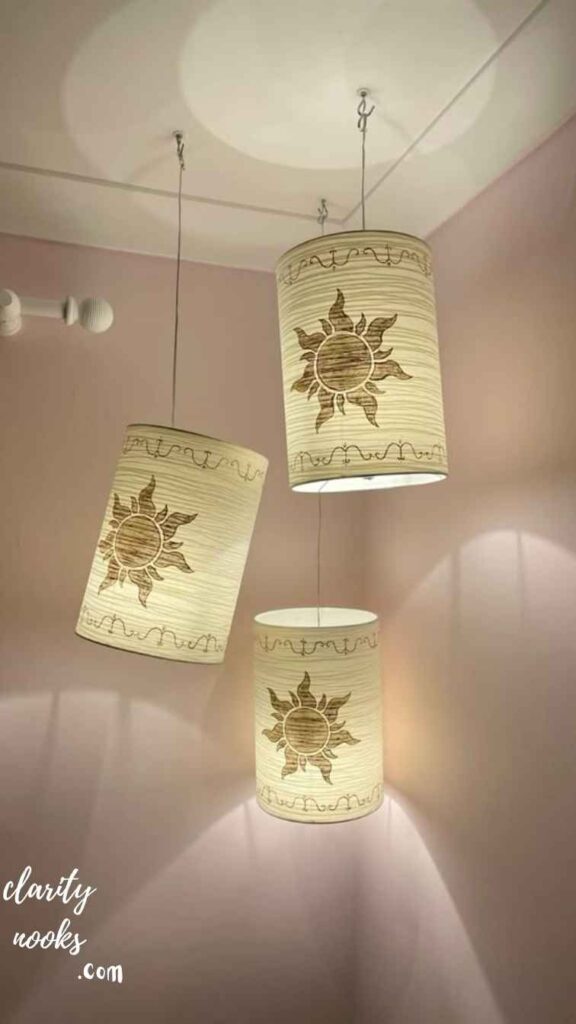
Harsh overhead lighting is one of the most overlooked nursery mistakes. Babies’ eyes are extremely sensitive, and harsh lighting disrupts the melatonin cycle needed for healthy sleep. A DIY solution: buy a plain drum lampshade and cover it with fabric that matches your nursery theme. Hot glue or spray adhesive makes this a 30-minute project.
Better yet, place lamps at floor or cot level rather than overhead. A small DIY cloud lamp made from a paper lantern wrapped in polyester fibre fill creates a dreamy, diffused glow that’s gentle enough for night feeds. Pair with a smart bulb set to 2700K or below for sleep-friendly orange tones.
Design a Growth Chart That Doubles as Wall Art
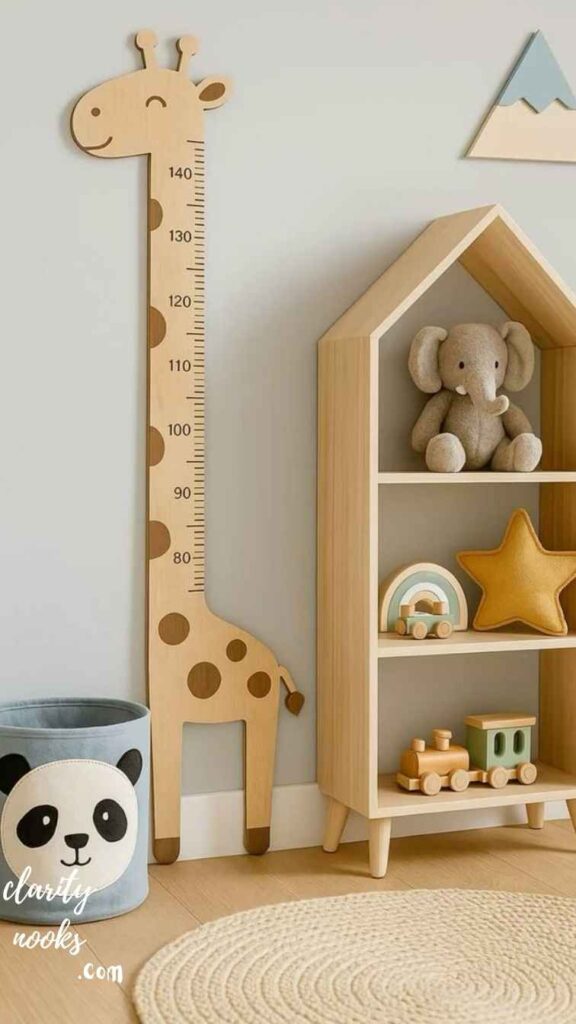
A DIY growth chart ruler is one of those projects that starts as decoration and becomes a treasured family heirloom. Cut a 5cm x 150cm strip of wood or MDF, sand it smooth, paint it in your nursery colour, then use a ruler and permanent marker or vinyl stickers to mark heights from 50cm to 150cm. Personalise it with your baby’s name and a birth date plaque at the base.
Unlike wall-painted growth charts, a free-standing or hanging version moves with your family. Parents who’ve made these consistently report that it’s the single DIY project they’d never replace partly because it captures something no photograph quite does.
Use Tension Rods for Flexible Curtain and Storage Solutions
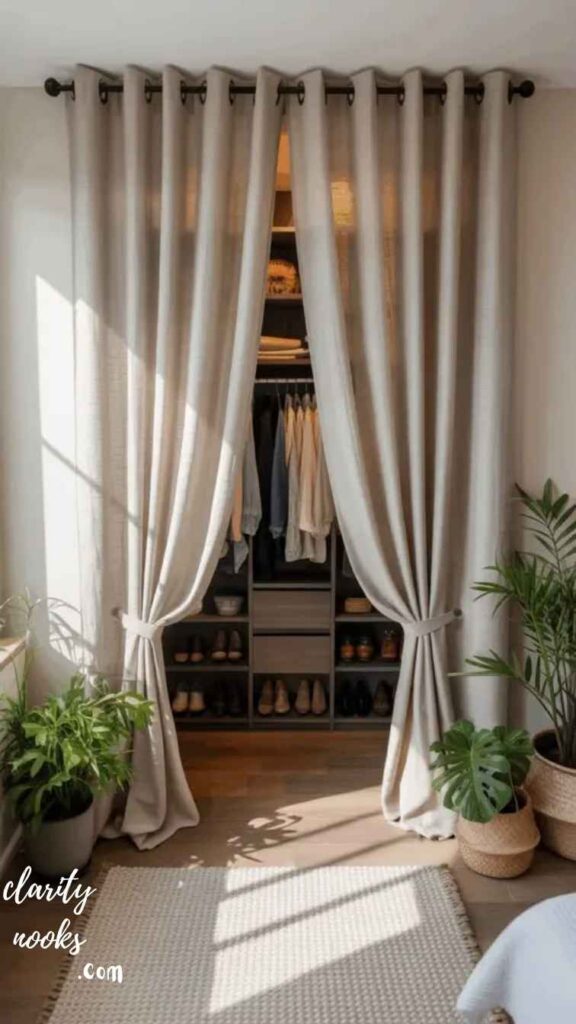
Tension rods are one of the most underused tools in nursery design. Fit one inside a wardrobe to hang small garments at the right height. Use another under the cot to hang a fabric skirt that hides storage baskets beneath this reclaims what is typically dead space. In a window alcove, they hold curtains without a single drill hole.
For a DIY curtain that filters morning light without blocking it entirely, sew (or iron-bond) a linen panel with a soft blackout lining. The combination of natural texture on the outside and functional light-blocking on the inside gives you the best of both worlds and costs a fraction of specialist nursery curtains.
Create a Sensory Corner with Natural Textures
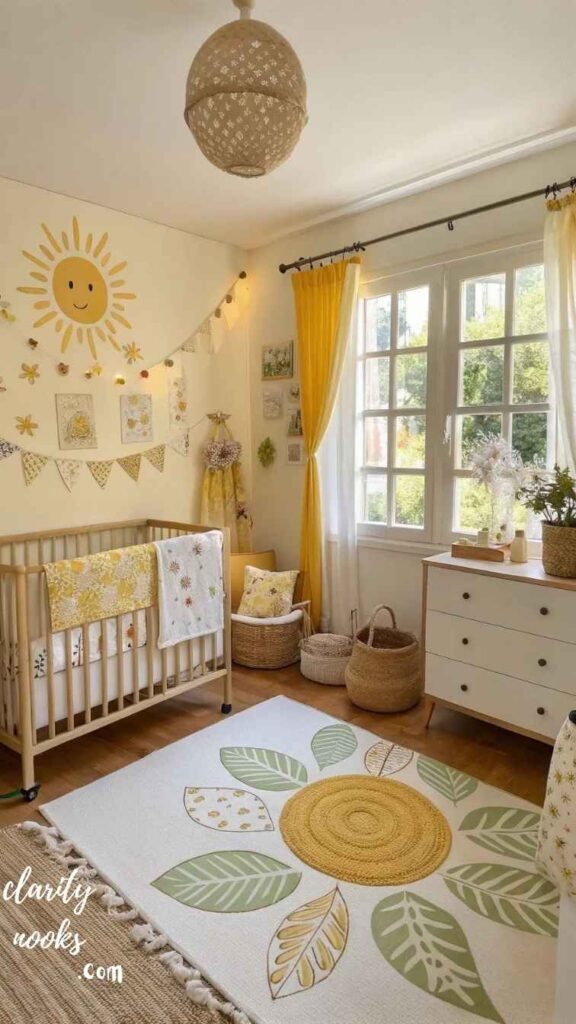
Developmental research consistently shows that varied sensory input supports infant neurological development. A DIY sensory corner doesn’t require specialist equipment. Gather a wicker basket, a velvet cushion, a wooden teether, a crinkle fabric square, and a small mirror each offering a different texture, sound, or reflection for your baby to explore.
Mount an unbreakable baby-safe mirror at floor level on one wall. Babies as young as two months are fascinated by their own reflection. Add a hanging fabric panel with different textures sewn into pockets fleece, cotton, burlap, faux fur. This entire corner can be assembled for under £30 and provides more genuine developmental value than most commercial activity gyms.
Real scenario:
A developmental therapist in Bristol recommended this exact setup to parents in her practice. Several reported that their babies spent longer independently exploring the sensory corner than any purchased toy.
Featured Snippet Answer: The best DIY baby room ideas include personalised gallery walls, floating shelf changing stations, peel-and-stick feature walls, upcycled painted furniture, handmade mobiles, front-facing book ledges, custom soft lighting, growth chart art, tension rod storage, and sensory texture corners all achievable under £200 total.
Conclusion:
Building a beautiful, safe nursery doesn’t require a design degree or a five-figure budget. These DIY baby room ideas prove that thoughtful planning and a few creative weekends can produce a space that’s genuinely personal, developmentally supportive, and far more flexible than anything you’d find in a nursery showroom.
The best nursery is the one that works for your specific baby, your specific home, and your specific life. Start with one or two ideas from this list and build from there you might surprise yourself with what you create.
Trend Analysis
Trend Analysis: 2026 and the Next 2–3 Years
The nursery design space is shifting noticeably in 2026. Parents are moving away from the colour-coded gender reveal aesthetic (pale pink or blue, matching sets) toward gender-neutral palettes warm terracotta, clay, sage, and off-white dominate new nursery inspiration boards. This isn’t a passing trend; it reflects a broader cultural shift in how parents conceptualise childhood.
2026 Trend
Biophilic design natural wood, rattan, linen replacing plastic and primary-colour nursery furniture.
2026–2027
Montessori-inspired floor beds and low-level furniture replacing traditional cots for parents following RIE or Montessori principles.
2027–2028
AI-assisted nursery planning tools apps that scan your room dimensions and suggest layout, colour, and product combinations
Consumer Shift
Growing rejection of fast-furniture nursery sets in favour of heirloom-quality, second-hand, or self-built pieces sustainability driving decisions.
Practical Tips & Expert Insights
- Always prioritise ventilation. Fresh paint, new mattresses, and synthetic textiles off-gas VOCs. Open windows for 72 hours before your baby sleeps in the room. Use low-VOC or zero-VOC paint without exception.
- Design for the parent, not just the baby. You’ll spend thousands of hours in this room. Make sure the nursing chair is genuinely comfortable, the lighting works for 3am feeds, and the storage is accessible with one hand.
- Anchor everything. Any piece of furniture taller than 60cm that a toddler can reach must be wall-anchored. Tip-over fatalities are a leading cause of nursery injury this is non-negotiable.
- Layer rugs for acoustics. Hard floors are hygienic but echo. A washable flat-weave rug under a softer play mat absorbs sound, keeps the room quieter, and provides a warmer surface for tummy time.
- Test colours in natural light, not artificial. Paint swatches look completely different under nursery lamplight. Always test paint in natural daylight at different times of day before committing to a full wall.
Long-Term Strategy & Sustainability
The most regrettable nursery purchases are the ones that only work for 18 months. A DIY approach forces you to think about longevity. When choosing furniture, ask: “Will this work in a five-year-old’s room?” A painted IKEA dresser with new hardware? Absolutely. A branded nursery changer with a moulded top? Probably not.
Sustainability matters here in two senses. Environmental sustainability buying second-hand, using non-toxic finishes, avoiding unnecessary plastic is increasingly important to parents. But financial sustainability matters too. The average UK nursery costs £1,500–£3,000 when bought new. A well-planned DIY nursery can be done for £300–£600 with no compromise in quality or aesthetics.
Design your room with a “phase two” plan from day one. That gallery wall will look different when your child is three leave space for their own artwork. That sensory corner will become a reading corner. The floating shelves will eventually hold their Lego. If you build with transition in mind, you barely need to redecorate at all.
Future Predictions & Innovations
By 2027–2028, expect to see AI room-planning tools that use your phone camera to scan dimensions, suggest paint colours based on natural light exposure, and generate personalised shopping lists. Some of these tools are already in beta companies like Planner 5D and RoomGPT are iterating fast on nursery-specific features.
Smart nursery technology is also evolving. Ambient light systems that automatically shift from bright morning light to warm amber as bedtime approaches controlled by a sleep schedule app will become standard in tech-forward homes. DIY versions using Philips Hue or LIFX bulbs with automated routines already replicate this at a fraction of the cost of dedicated smart nursery systems.
Common Mistakes & Hidden Gaps
- Skipping a blackout lining on curtains. “Lined” curtains from nursery brands often only have a thermal lining, not a true blackout layer. Babies sleep better in genuine darkness. Always check or add a separate blackout blind behind decorative curtains.
- Buying a nursing chair based on looks. The chair you’ll use for 11pm and 3am and 5am feeds needs lumbar support and armrests at exactly the right height. Sit in it for ten full minutes before buying. Many parents replace their first nursing chair within three months.
- Overcomplicating the colour palette. More than three colours in a nursery creates visual noise that overstimulates infants. Stick to two primary colours and one accent. Most beautifully photographed nurseries use fewer colours than you think they just use them very deliberately.
- Ignoring sound. Hard walls, wood floors, and minimal soft furnishings create a reverberant room that amplifies every creak and door-slam. Add soft furnishings, rugs, and curtains before baby arrives not after.
- Buying a cot that doesn’t convert. A cotbed that converts to a toddler bed costs more upfront but eliminates a purchase at 18–24 months. Many parents wish they’d known this before buying a standard cot.
- Installing shelves at adult height. If your child can’t reach their books by age two, those books don’t get read. Position book ledges and toy storage at the child’s eye level, not yours.
Rameen Zara is the founder of Clarity Nooks, bringing over five years of experience in home décor and interior styling. She shares simple yet practical design ideas that suit real homes and everyday living. Her approach focuses on cozy aesthetics, soft color palettes, and natural textures that create warm, inviting spaces.